
From Local Clinics to National Impact: Why Dr. Parshad Dhaduk Thinks Dentistry Can’t Stay on the Sidelines
“Dentistry shouldn’t live on the margins of healthcare,” Dhaduk says. “It’s preventive medicine. It’s quality of life. And it’s deeply connected to overall health.”

Published Jan. 21 2026, 7:30 p.m. ET

For many Americans, a dental visit is something you put off, not because you want to, but because it feels expensive, intimidating, or optional compared to “real” healthcare. That gap between need and access is widening at a time when conversations about preventive care, equity, and trust in medical systems are louder than ever.
Dr. Parshad Dhaduk believes dentistry should be part of that conversation.
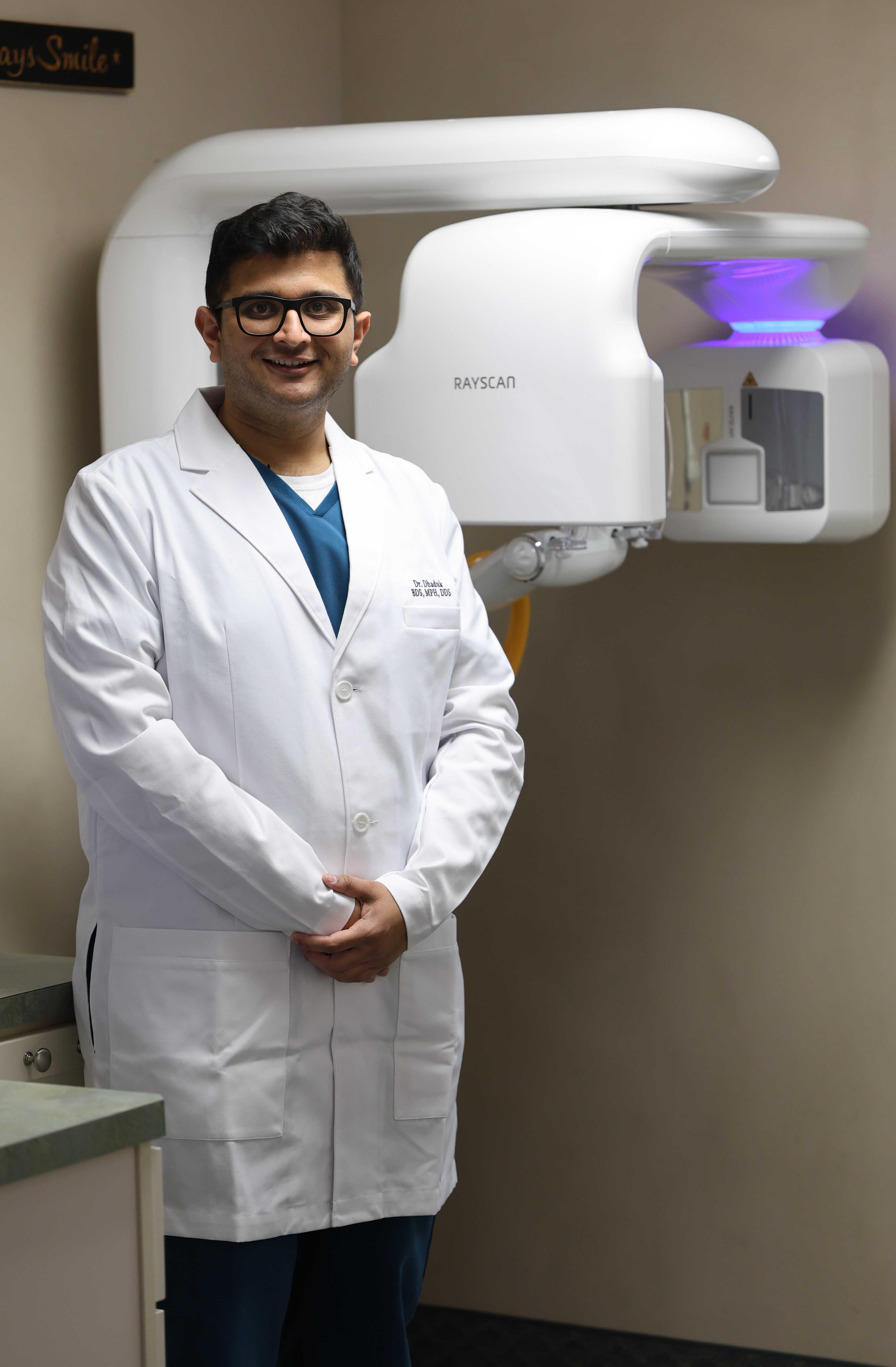
As the managing director of two family dental practices in Pennsylvania, Dhaduk works inside a system that traditionally treats oral care as separate from public health. His goal has been to quietly challenge that assumption, starting at the community level.
A Perspective Shaped Early
Growing up in India, Dhaduk saw firsthand how untreated dental issues could spiral into lifelong pain simply because care wasn’t accessible. “Oral health was often treated as a luxury,” he says. “But the consequences of neglect were anything but minor.”
That experience stayed with him as he moved through different healthcare systems, first training as a dentist, then studying public health in the U.S., and later completing advanced dental education. The throughline, he says, was learning how policy, prevention, and clinical care intersect, or fail to.
Why This Matters Now
In the U.S., dental care still sits awkwardly outside mainstream healthcare coverage. Millions delay treatment until problems become emergencies. At the same time, communities, especially rural ones, are struggling to retain providers while navigating rising costs and patient distrust.
Dhaduk sees local practices as an untapped opportunity.
Rather than treating a dental office as a standalone business, he views it as a public-facing health touchpoint, one where education, early intervention, and continuity of care can happen without bureaucracy.
Small Clinics, Broader Impact
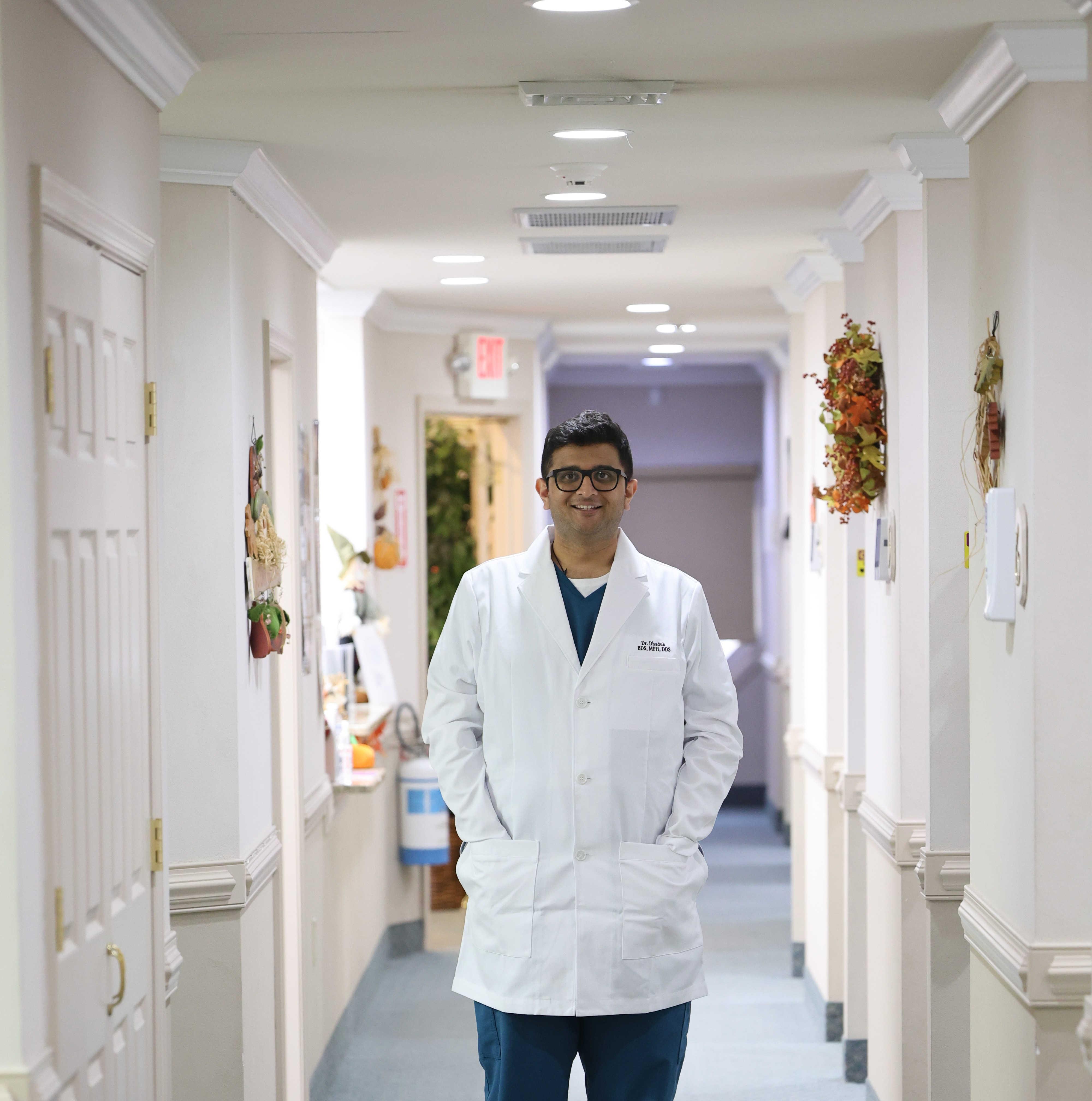
Under Dhaduk’s leadership, his Pennsylvania practices have focused less on expansion and more on consistency: preventive care, modern tools that reduce repeat visits, and a culture that treats patients as long-term partners rather than transactions.
Colleagues describe his approach as methodical but human, bringing advanced technology into settings that don’t usually have access to it, while keeping care approachable and family-oriented.
Service Beyond Borders
His work extends beyond the U.S. as well. As a board member of a hospital in India, Dhaduk remains involved in efforts to make basic care affordable at scale. For him, the connection is simple: oral health challenges don’t stop at borders, and neither should responsibility.
Rethinking Dentistry’s Role
“Dentistry shouldn’t live on the margins of healthcare,” Dhaduk says. “It’s preventive medicine. It’s quality of life. And it’s deeply connected to overall health.”
That belief is shaping his long-term vision: helping develop nonprofit, community-focused dental centers in underserved U.S. regions, places where advanced care, education, and affordability aren’t competing priorities.
In a moment when healthcare systems are being reexamined for who they serve and who they leave out, Dhaduk’s work raises a timely question: what if dentistry stopped waiting for permission to be part of public health?