
Julia Maixer Shoots Emotion First, Then Light
From Barcelona to Los Angeles, she has built a cinematography career around truth.

Published April 7 2026, 2:30 p.m. ET

Julia Maixer talks about cinematography like it is a language, not a job title. The best images, she says, do not impress you. They tell you what a character cannot say out loud.
“People hear cinematographer and they think lenses and lighting diagrams,” Maixer says. “I think about emotional truth. I think about the psychology in the room.”
Her eye comes from a childhood shaped by women and quiet observation in Barcelona. She describes her family as predominantly female, and she credits that environment with tuning her into the subtleties that sit beneath conversation. Silences. Tenderness. Tension. Resilience.“That is where my instincts formed,” she says. “I grew up paying attention to what people carry, not only what they say.
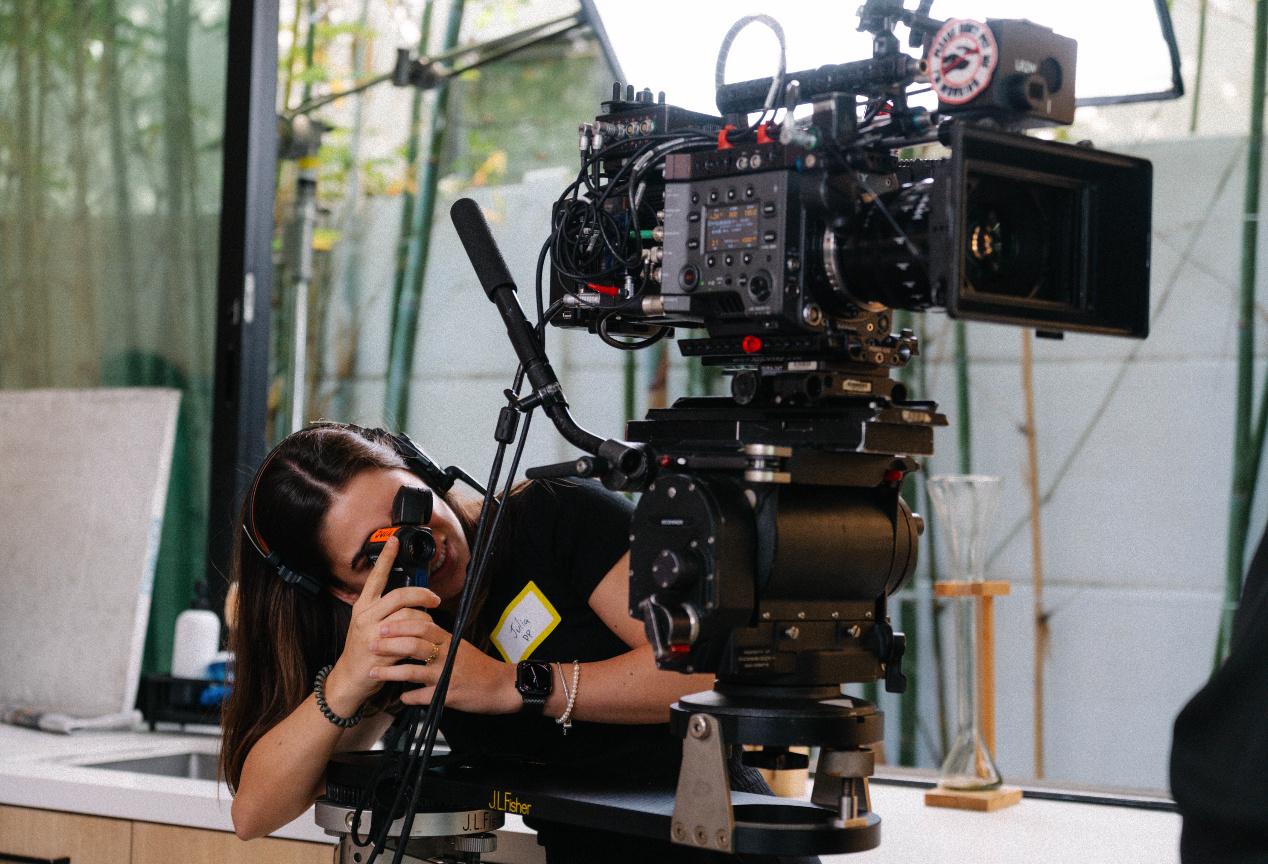
A camera became her way of translating those instincts into something concrete. She started exploring visual storytelling seriously at thirteen, and she never stopped. Her early training took her across borders at an age when most people are still trying to choose electives. She studied at Hurtwood House in the United Kingdom, building a foundation in still photography and film. A program at Interlochen Center for the Arts in the United States followed at fifteen, reinforcing for her that filmmaking is disciplined, collaborative work.
She returned to Spain to study film at ESCAC, specializing in cinematography. Another leap brought her to Los Angeles for an MFA in Cinematography at American Film Institute Conservatory. She was selected through a highly competitive international admissions process and became the youngest cinematography fellow in her cohort.
“Being the youngest is not the point,” she says. “The point is the standard. You enter a place like AFI and you either rise to the work or you get swallowed by it.”
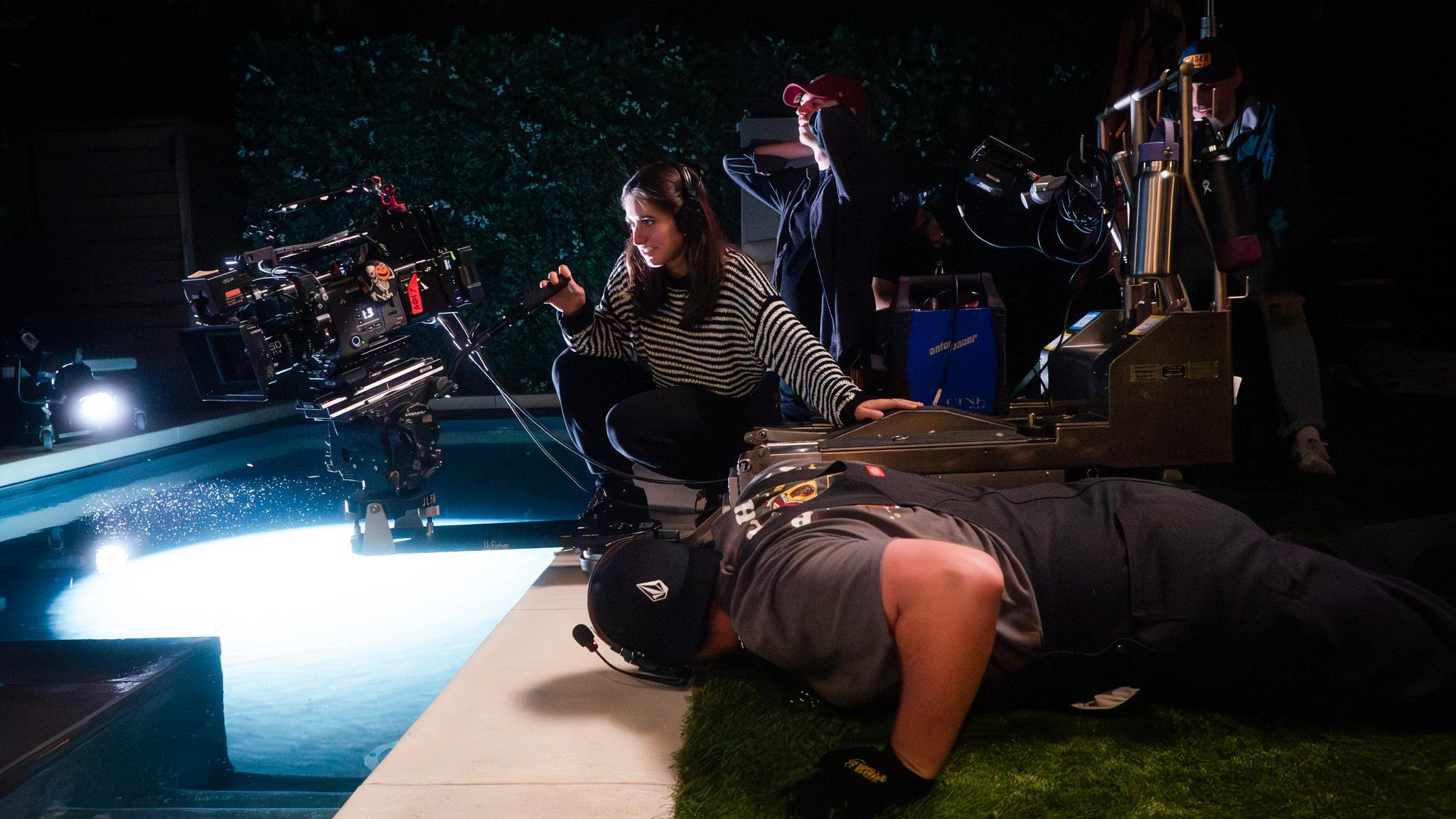
Her background in still photography already had its own track record. Multiple recognitions came through competitions including MonoVisions Awards, ND Awards, Los Angeles Photography Awards, IPA Photo Awards, and Moscow International Foto Awards. That foundation still shows in how she talks about images. She uses words like painterly, tactile, and intimate, then ties them back to character.
Her recent work makes those ideas visible.
One of her most notable films, Crianza, was shot on 35mm in collaboration with Kodak and Panavision. The story explores generational bonds between mothers and daughters through the poetic visual language of winemaking. It is a period piece that follows a mother reflecting on her daughter’s coming of age, then facing the quiet ache of letting go.
“Wine is time,” Maixer says. “It holds memory. It holds inheritance. I wanted the images to feel like something passed from hand to hand.”
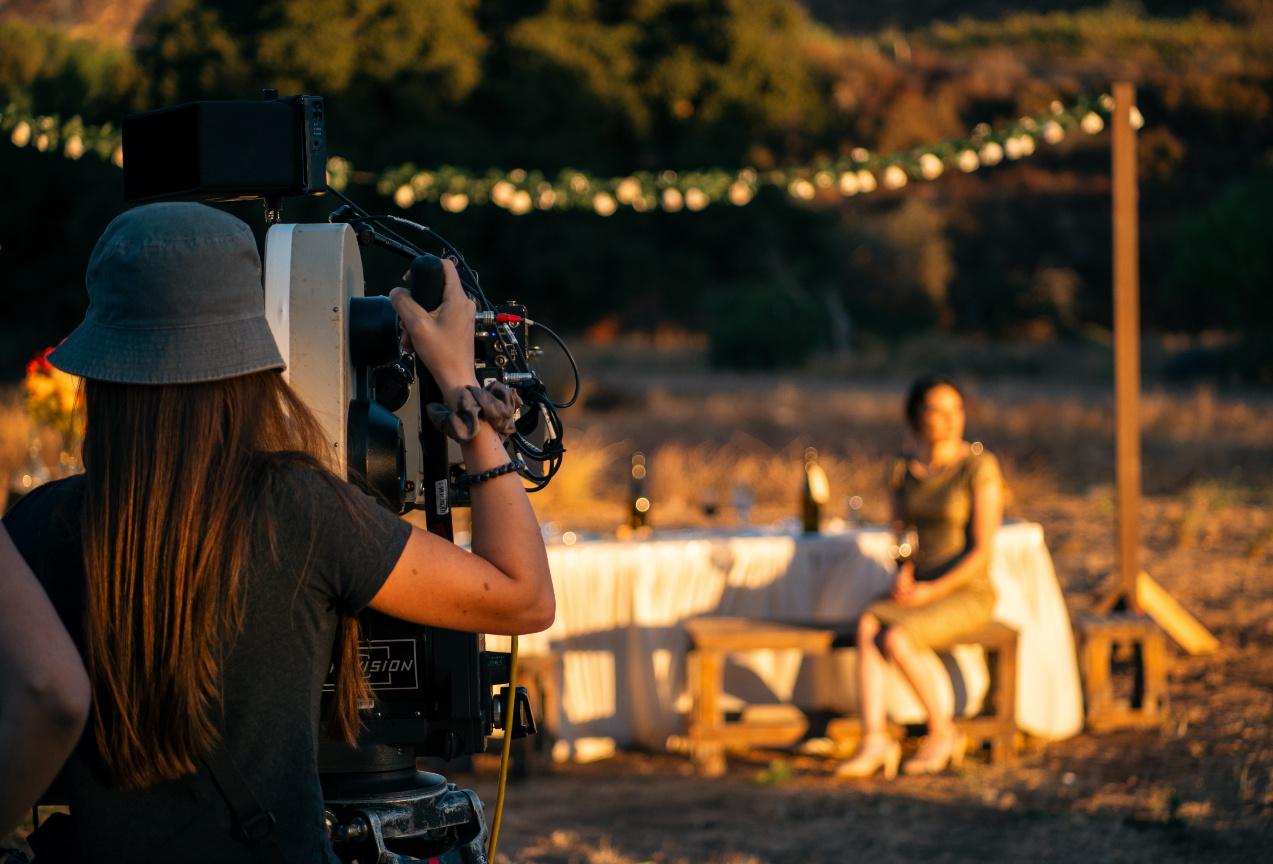
The film earned Best Cinematography at the Toronto International Women Film Festival in January 2026. Crianza was also selected in the Orion IFF, Australia, for official selection of Best Short Narrative film and the Nyack International Film Festival in New York. Additionally, the film screened at MOST Festival in November 2025, a European festival dedicated to cinema and wine culture. The American Film Institute Conservatory also internally pre-selected Crianza as one of only three films to represent the Conservatory for submission to the ASC Heritage Awards and the Camerimage Student Etudes Competition, which are the leading awards for cinematography. The awards reflect the strength of the movie, which packs an emotional punch.
“I was the cinematographer for this piece, but carried a specially important role in it because it is a piece that has no dialogue and it is completely visually driven,” she shares. “Making it very important that my cinematography work truly shone and delivered, becoming crucial to the project.”
Another project, Night Feeds, premiered at AFI Fest and won First Prize at AFI’s Private Investors Showcase. Maixer was selected as cinematographer through a competitive interview process, chosen for her artistic vision and leadership.
Night Feeds is a psychological horror centered around postpartum depression. The film carries a very distinct message with a powerful, personal voice from director Rana Roy.
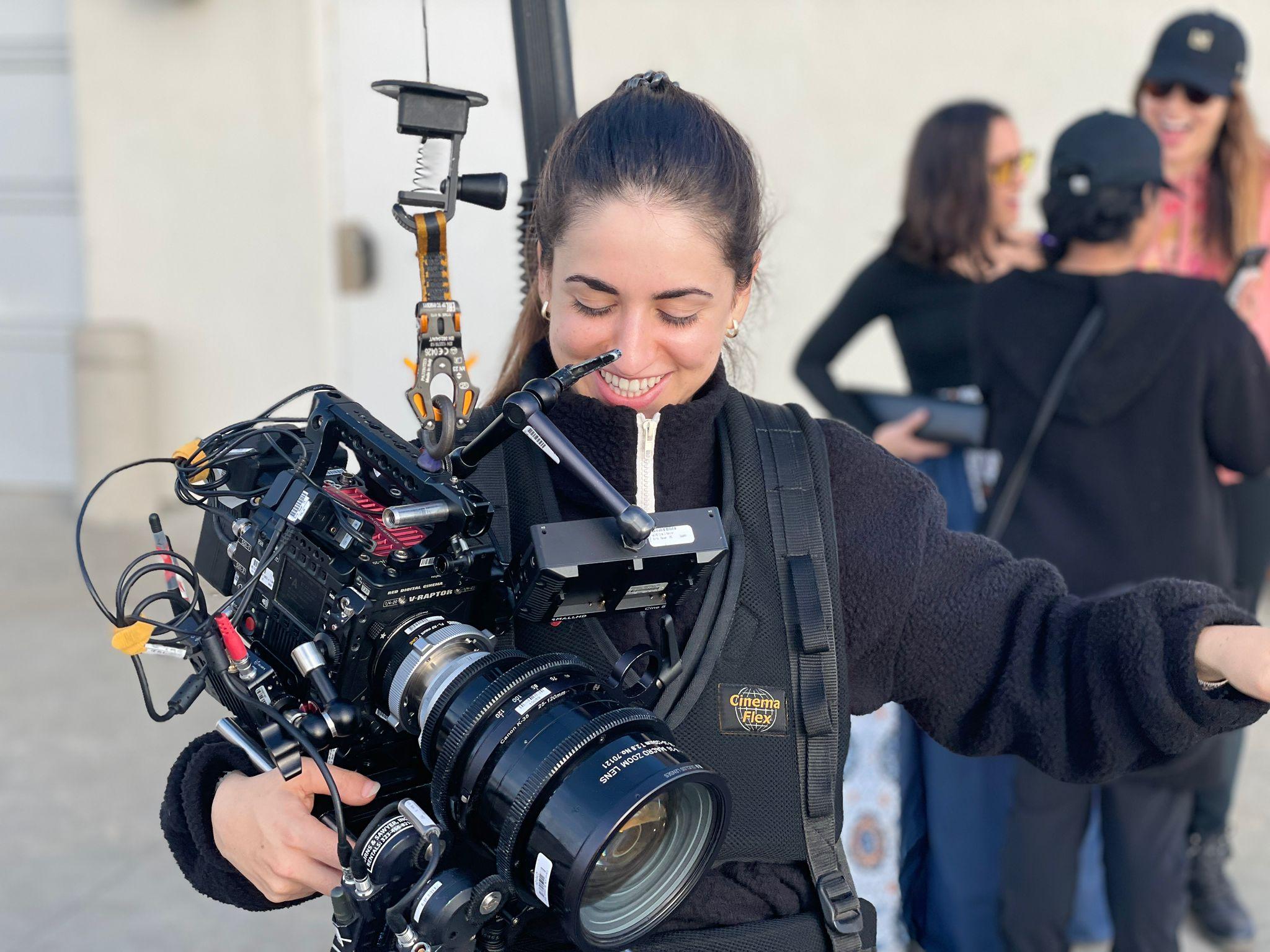
Roy explains, “It was incredibly important to me to have the right hand of a cinematographer who not only had incredible talent but also understood my story. The film’s greatest strength came from our director–cinematographer collaboration. Julia’s visuals are what made the film shine. I would talk to her about the story, since it was a very personal journey for me, and she would bring forward the most incredible ideas I could never have thought of—she’s just a dream to work with.”
Maixer was instrumental in securing Sony’s support for the film's production. The film continues its festival circuit in 2026.
“Some stories require restraint,” she says of Night Feeds. “Other stories require you to go right into the nerve. I like work that asks for precision either way.”
Documentary has also become part of her range. She shot Sheila: Between Two Winds, which is set to premiere at the American Documentary and Animation Film Festival in March 2026.
“Documentary teaches you humility,” Maixer says. “Real life does not hit marks. You learn to listen with the camera.”
Her next major step is Dr. Gumball, a horror feature co-produced by Scary Content. The film already has international distribution, with hopes that Cineverse will manage North American distribution. There are plans for film festivals, particularly genre-focused, in 2027.
“Horror can be intimate,” she says. “Fear is personal. It lives in the body. Cinematography should not decorate that. It should translate it.”
Large-scale sets excite her imagination. She thrived in the high-budget production of HBO’s House of the Dragon.
“That experience sharpens you,” she says. “Big sets demand rigor. Small sets demand invention. I want both in my life.”
Industry support has followed her across projects. Panavision has granted her access to top-tier equipment on multiple films, support she describes as selective and meaningful. “It is a kind of trust,” she says. “It tells you people believe you will do something real with the tools.”
Today, Maixer is based in Los Angeles and works professionally in the U.S. film industry while maintaining active collaborations in Europe. Her focus stays consistent across all of it. She wants the camera to do more than capture. She wants it to reveal.
“Cinema lets you disconnect from everything else for a moment,” she says. “Then it gives you back your own emotional memory. That is the power. That is what I am trying to earn with every project.”