
Miriam Delicado’s Hands-On Humanitarianism: Wells, Gatherings, and the Work of Restoring Dignity
What distinguishes Miriam is not merely the projects she claims but the method she cultivates: listen first, act with humility, and anchor interventions in dignity.

Published April 8 2026, 2:14 p.m. ET

Miriam Delicado’s life is a study in reorientation: the relentless reweaving of personal hardship into public purpose. Born March 10, 1966, in a small town in northern British Columbia, Miriam absorbed early lessons from a mother who practiced environmental stewardship long before the language of sustainability entered popular use. Gardening, reusable bags, and recycling were domestic rituals that were modest in scale but catalytic in effect. They seeded a lifelong conviction that everyday care for the earth and care for each other belong together. What followed was far from linear. A difficult home life pushed her to leave at twelve; she moved through foster homes and group homes and was independent by fourteen. Denied formal schooling beyond seventh grade, Miriam taught herself at seventeen by looking up words in a dictionary, an act of quiet stubbornness that would become the foundation of her work as an author, speaker, entrepreneur, and nonprofit leader.
In 2011 she turned that private education into public action by founding The Great Gathering of Humanity Inc., Branded publicly as The Great Gathering Nonprofit, the organization is the practical expression of a worldview that insists technological progress must be matched by moral stewardship. Over more than fourteen years as Founder and Executive Director, Miriam has built a practice of listening and doing: initiatives that combine cultural respect with tangible service, and dialogues that bring indigenous elders, artists, technologists, and grassroots leaders into the same room. Her flagship effort, Humanity’s Global Weaving Project™, is intentionally non-political; it is designed to connect storytellers, ground-level leaders, and innovators so that the conversation about AI, development, and the environment includes the people most often excluded from the decision-making table.
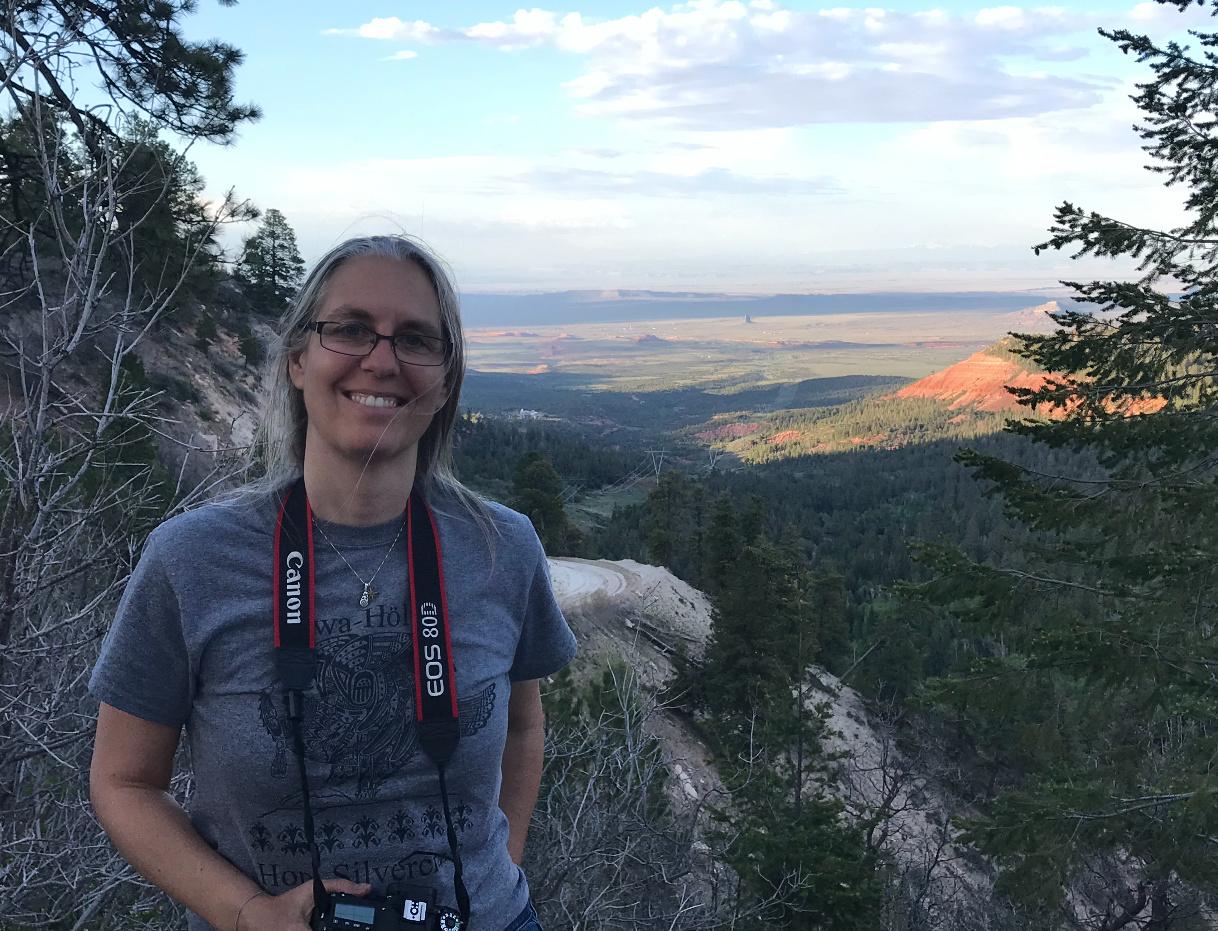
Miriam’s work proceeds from proximity. She has spent weeks in remote villages and urban slums, sitting with communities rather than parachuting solutions from afar. She has returned repeatedly to the Colombian highlands to meet with the Kogui people inside their grass huts, learning the rituals and responsibilities of custodianship firsthand. In 2019 she traveled to South Africa to witness a historic agreement recognizing KhoiSan intellectual property in the Rooibos tea industry, an instance of restorative justice where ancestral knowledge received formal acknowledgment in the commercial sphere. The Great Gathering Nonprofit’s support for Hopi elders to meet in New York with the Dalai Lama, alongside Kogui Mamos and tribal representatives from around the world, exemplifies Miriam’s belief that indigenous spiritual and cultural voices must have presence at global moments, not merely be topics of debate.
Those ceremonial acts coexist with concrete interventions. In Kenya, Miriam’s organization partnered with five traditional Maasai communities to replace open earth water pits, with their attendant health risks and indignities, with clean wells. The project is more than supplying water: it restores privacy, dignity, and a renewed sense of agency. In Kibera, one of the largest urban slums in Africa, two weeks living among humanitarian artists taught Miriam how resilience and creativity can coexist with scarcity, and how small acts—micro-dollars, donated shoes, a smartphone in the right hand—can catalyze agency when they emerge from trusted relationships.
Miriam’s story is also one of survival and return. A near-fatal car accident in 2006 left her with protracted rehabilitation; in 2023 she faced a melanoma diagnosis that required stepping back from public life. She returned in 2025 cancer free and with renewed clarity about the work ahead. That arc of injury, withdrawal, recuperation, and recommitment has shaped both the cadence of her leadership and the urgency of her message. Resilience is not an end in itself but a resource to be redirected into service.
At the heart of Miriam’s public argument is a question of distribution: who benefits from the rise of AI and the global technology economy, and who is erased by progress measured only in code and capital? She frames her advocacy around the need to protect natural resources and the right to self-determination for indigenous communities while ensuring that philanthropic and technological investments address basics such as water, food, and education before contributing to new divides. Humanity’s Global Weaving Project models one path forward: a non-political platform that amplifies endangered knowledge, documents indigenous stewardship, and fosters dialogues that can inform ethical innovation.
Miriam’s PR objectives are deliberately practical. She wants to elevate The Great Gathering Nonprofit’s visibility to attract partners and funding for measurable projects like Kenyan water wells and cultural restitution initiatives. She seeks to position herself as a leading voice on ethical AI and environmental humanitarianism, directing attention to the ways that technology’s appetite for resources can disadvantage the very communities that steward those resources. Her audiences span philanthropists, tech innovators, corporate leaders, policymakers, artists, and grassroots activists, the broad coalition she argues is necessary to steer an equitable future.
What distinguishes Miriam is not merely the projects she claims but the method she cultivates: listen first, act with humility, and anchor interventions in dignity. She has trademarked a guiding phrase, “One Voice, One People, One Earth™,” not as marketing but as a moral rubric to evaluate initiatives, partnerships, and technologies. For Miriam, a balanced future means that a smartphone in a slum leader’s hand should open access and power, not deepen dependency; that investments in AI should be yoked to protections for water, land, and cultural heritage; and that indigenous knowledge should be honored with restitution rather than extraction.
Miriam Delicado’s leadership offers a countervailing narrative for an age that often equates progress with novelty. Her work, rooted in personal hardship, spiritual curiosity, and unwavering proximity, asks a simple but urgent question: if we are building the future, what are we carrying forward and what are we leaving behind? Through The Great Gathering of Humanity Inc. and Humanity’s Global Weaving Project™, she provides an answer built on drilling wells, gatherings, and long conversations, practical pieces of a moral architecture meant to ensure that technological advancement is measured against human dignity.