
The Editor Behind the Clips Is Helping Drive Massive Creator Growth
Sarthak Trikha has spent years learning how to spot the moments people cannot scroll past, then scale them across short-form platforms.

Published May 7 2026, 7:30 p.m. ET

A lot of people understand viral content from the outside. They know the feeling of stopping mid-scroll. They know the hook landed. They know something about the clip made them stay. What they usually do not know is how much work went into finding that exact moment, shaping it, rebuilding it, and putting it in front of the right audience.
That is the world Sarthak Trikha works in.
He is a short-form content editor and clipping manager whose work has generated documented view counts at a scale most people would associate with public creators, not the people working behind them. In five months working for SteveWillDoIt, Trikha generated 100 million lifetime documented views through short-form content clipping and also built a paid YouTube fan page to 44,000 subscribers. He also generated more than 150 million views for creator TOGI, also known as Shane Stoffer, through short-form clipping, while building a paid Instagram fan page to 150,000 followers before the page was banned in 2025.
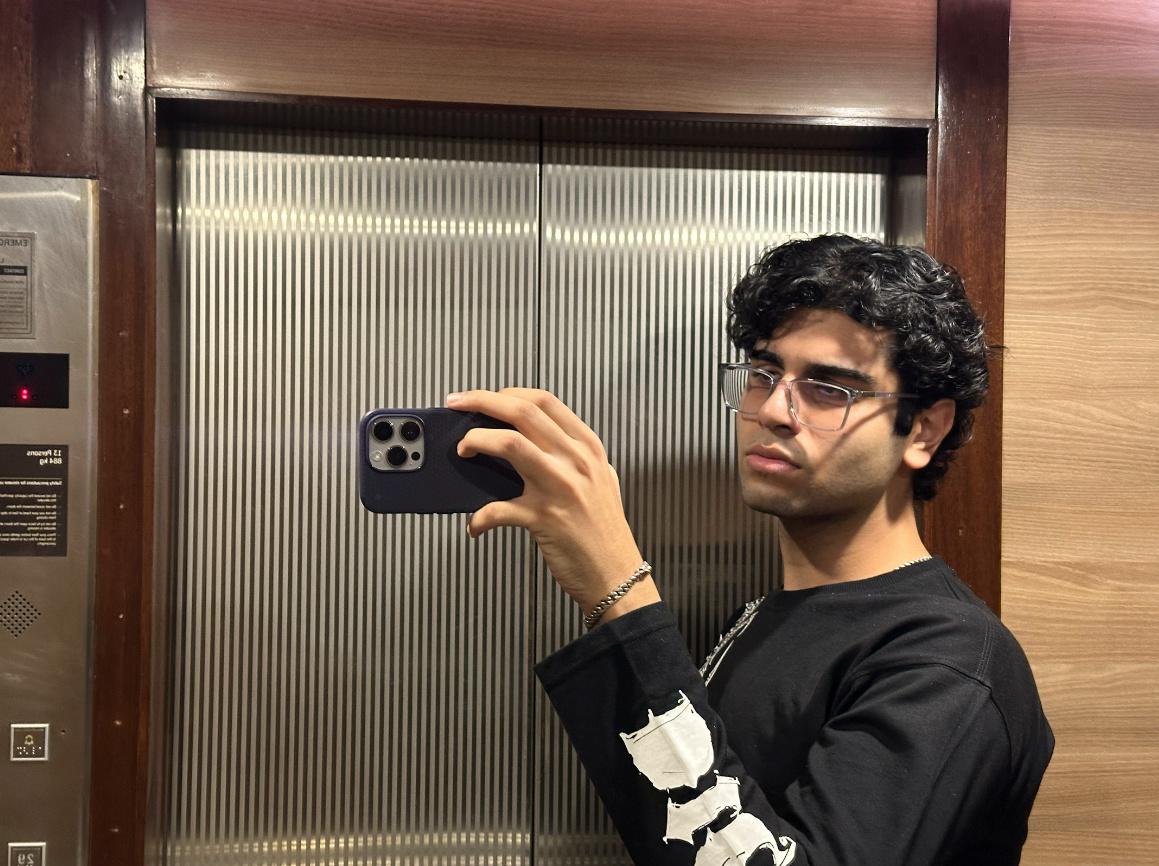
What makes that story more interesting is that Trikha is not the face in the videos. He is the person identifying which moments from long-form content can travel, then turning them into something audiences will actually stop for.
“I got interested in why certain moments hit harder than others,” he says. “Once you spend enough time watching content, you start to notice patterns. Some clips make people stop instantly. Some do not. I wanted to understand that difference in a serious way.”
That curiosity started simply. Trikha began by running a fan page for TOGI, where he started experimenting with taking longer YouTube videos and repackaging them into short-form clips. He spent a significant amount of time studying what captured attention online, especially around timing, hooks, and the structure of moments that felt naturally sticky. Over time, those experiments started producing consistent results, and the work moved from hobby to role.
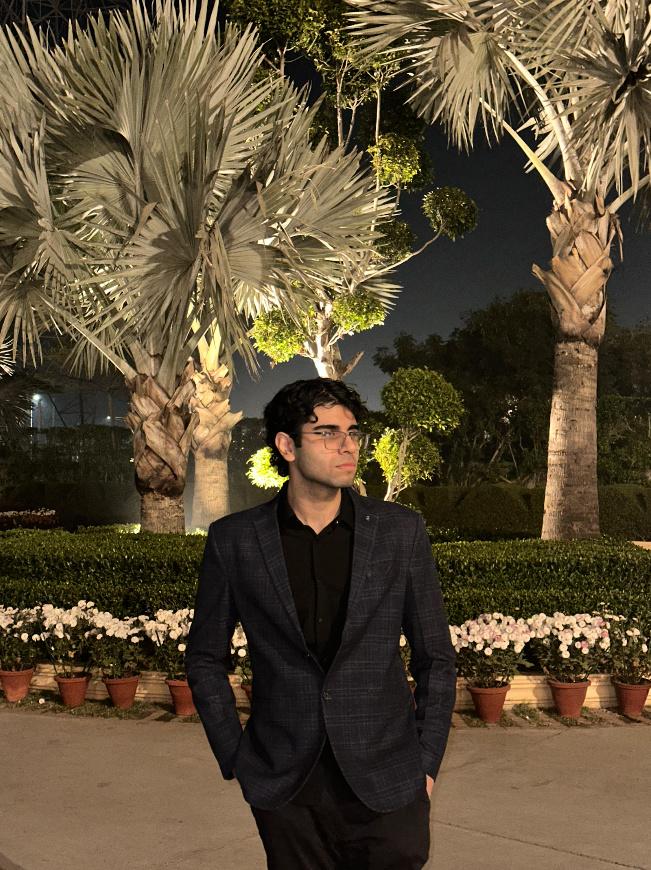
“As soon as I saw that the results were happening again and again, it stopped feeling random,” he says. “It started to feel like something you could actually study, improve, and scale.”
That idea, that clipping is less guesswork than system, now sits at the center of how he works. Trikha was eventually brought in to work directly with TOGI, and his responsibilities grew from editing clips himself to overseeing a network of more than 60 short-form clippers in a creator ecosystem distributing more than $100,000 in monthly payouts. Within that system, the clipping team contributes to more than 500 million monthly views. His job includes reviewing performance, coordinating workflows, and helping maintain consistency across both his own clipping pages and the larger network.
“A good clip is not just a lucky cut,” he says. “You have to know what to pull, how to frame it, how to pace it, and how to present it in a way that gives it the best chance to move.”
That work gets even more technical when reused content rules come into play. Trikha says the process is not simply reposting what already worked. His role often involves tracing high-performing clips back to their long-form source material, then rebuilding them with structural changes such as pacing, b-roll, subtitles, and audio so the creator can redistribute strong content on owned pages without running into originality issues. That kind of work matters because it allows creator-owned channels to keep posting high-performing material while remaining more compliant with platform rules. The creator-owned pages he helps with include @togi on Instagram and Facebook, which together have more than a million followers.
“A lot of people think clipping is just trimming a video down,” he says. “It is much more deliberate than that. You are rebuilding the experience of the moment.”
That rebuild mentality has also been shaped by setbacks. One of the biggest challenges Trikha points to is platform bans and account losses. Some pages that were performing well disappeared entirely, taking views, followers, and momentum with them. That changed how he thought about growth. Instead of getting attached to any single page, he focused on learning how to recreate strong performance from scratch.
“When a page gets taken down, you realize very quickly that one account cannot be your whole strategy,” he says. “You have to rely on repeatable methods, not emotional attachment to one win.”
That philosophy seems to be one of the reasons his work has translated across multiple creator environments. He has been recognized directly by creators in podcasts that drew hundreds of thousands to millions of views, with clips of those acknowledgments generating millions more across platforms. One clip he created reached 6 million views on Instagram.
Still, Trikha does not talk about clipping as if every post should be treated like a masterpiece. He talks about consistency. He talks about volume. He talks about learning through repetition instead of waiting for perfect certainty.
“Trying to make every clip perfect slows people down,” he says. “Most of the real understanding comes from posting, observing, adjusting, and doing it again.”
That lesson sits alongside another one he emphasizes just as strongly: adaptability. Platform rules change. Pages disappear. Tactics stop working. In that environment, the people who last are not the ones who happened to hit one viral moment. They are the ones who know how to test, rebuild, and keep moving.
“You cannot build around one account or one lucky break,” he says. “You have to build around a process that can survive change.”
That may be the clearest way to understand why Trikha’s work matters now. Behind the scenes content clipping has become a major growth engine for creators, streamers, and online brands, but the people doing that work are still rarely understood outside the industry. Trikha’s career offers a look at what that invisible layer actually does. It finds the moments. It reshapes them. It distributes them. It helps turn long-form attention into short-form scale.
Looking ahead, he wants to keep building short-form content systems and work more closely with creators on distribution. That goal feels aligned with everything he has already done. Sarthak Trikha is not simply cutting clips. He is helping define how creator growth works when the audience only sees the finished moment and never the machine behind it.