
What Happened at Villanova University? Why Classes Were Canceled After a Reported Threat
The FBI is actively investigating.
Published Jan. 22 2026, 9:50 a.m. ET

Villanova University is usually defined by quiet academic routines, packed lecture halls, and tightly scheduled campus life. That normal rhythm came to an abrupt halt when officials announced a full closure after a reported threat tied to an academic building.
As word spread, many began asking what happened at Villanova and how serious the situation was. While no injuries were reported, the response itself signaled how seriously officials treated the information they received.
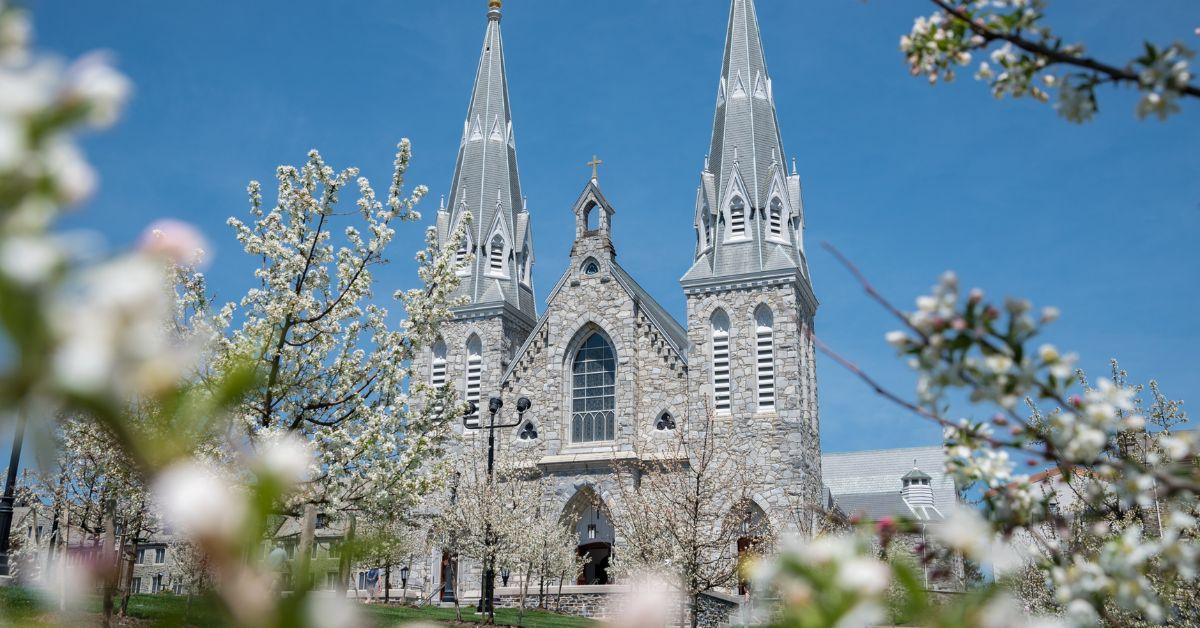
What happened at Villanova?
According to 6ABC, Villanova University closed its campus on Jan. 22, 2026, around 7 a.m., after a threat was reported involving an academic building. University officials made the decision out of an abundance of caution while law enforcement investigated the situation.
Classes were canceled, campus operations were paused, and students were urged to stay off campus. Students who live on campus were told to stay in their dorms.
At the time of this writing, the FBI is actively investigating. Local law enforcement and the university's safety department are all involved to evaluate the threat. Authorities searched the area connected to the report and worked to determine whether it posed an immediate danger.
This isn’t the first security scare Villanova has faced.
While the Jan. 22, 2026, closure was handled as its own incident, it was not the first time Villanova University has dealt with a serious safety concern tied to reports of potential violence. On Aug. 30, 2025, the campus experienced a separate security response after reports of a possible active shooter circulated near university property.
According to 6ABC, police responded quickly to the August 2025 reports, prompting alerts to students and a significant law enforcement presence. Students were instructed to shelter in place while authorities investigated the situation and secured the area. That incident was ultimately resolved without injuries, and officials later confirmed there was no active shooter.
The August response left a lasting impression on the campus community. Even though the threat did not materialize, it heightened awareness around emergency alerts, police response times, and communication from university officials. For many students and families, it marked a turning point in how they viewed campus safety.
Because of that history, the Jan. 22, 2026, closure was met with immediate concern rather than confusion. The decision to cancel classes and restrict campus access aligned with procedures that had already been tested months earlier. Officials emphasized caution, knowing how quickly unverified reports can escalate into dangerous situations.
Universities across the country have increasingly adopted a “better safe than sorry” approach when threats involve academic buildings or large populations. Villanova’s response reflects broader shifts in campus security strategy, especially in environments where previous incidents have already shaped expectations.
At the time of this writing, the investigation remains ongoing, and the focus continues to be on ensuring campus safety while authorities determine what prompted the report. The incident adds to Villanova’s recent security history, reinforcing how quickly routine campus life can be interrupted when safety concerns arise, even when no physical harm ultimately occurs.