
A 26-Year-Old Died With Only a Screen for a Doctor — Inside the Connecticut Lawsuit
This is a case that might expose the shortcomings of telemedicine.

Updated April 7 2026, 6:59 p.m. ET

Screen doctor linked to tragic death of 26-year-old in Connecticut [Image for representative purpose]
Conor Hylton was a dental student in North Haven, Connecticut. The 26-year-old had walked into Bridgeport Hospital’s Milford Campus with severe abdominal pain. He passed away at the medical facility the following day. An on-site doctor did not attend to Conor, but rather a telehealth doctor monitored him from a screen.
His family has since filed a wrongful death lawsuit that alleges that the ICU model the hospital opted for went against its own policies, which required a doctor to be present for on-site check-ups. Before being transferred to the ICU, Conor was diagnosed with pancreatitis, dehydration, metabolic acidosis, and alcohol withdrawal.
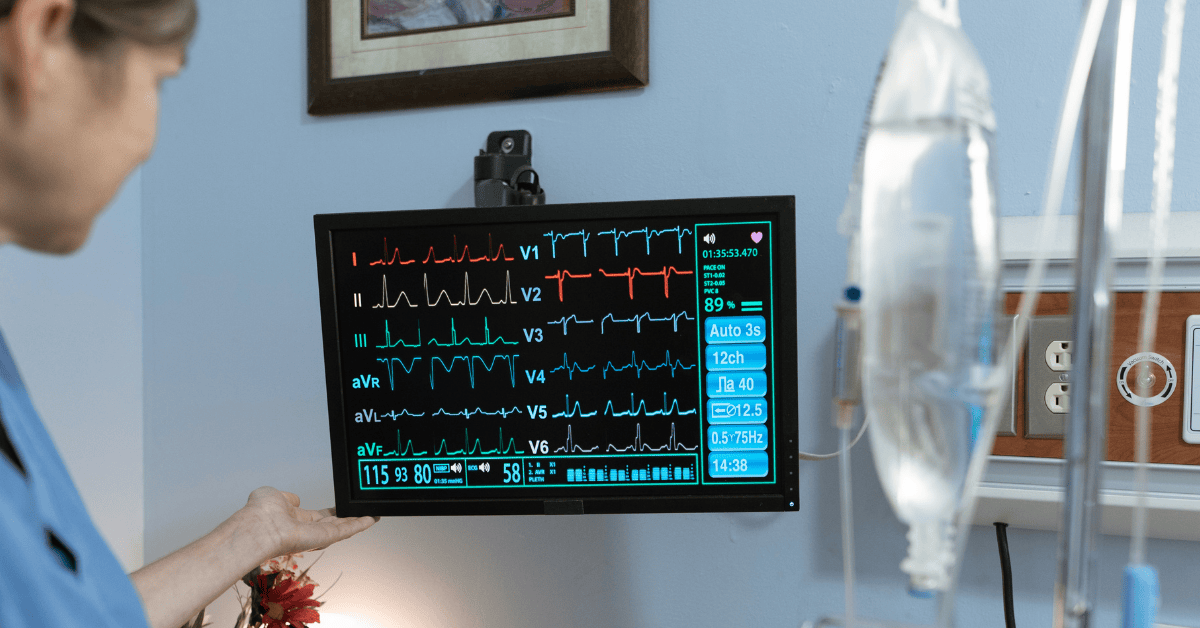
Telemedicine often includes transferring electronic data about the patient to doctors sitting in remote locations. [Image for representative purpose]
The Screen Doctor Was Monitoring Multiple Patients
Conor's health continued to deteriorate while he was in the ICU, and the complaint filed by his family states that there was no doctor on site to examine him. It was alleged that a doctor online oversaw care for the ICU as a whole and monitored multiple patients through a screen.
Conor became unresponsive on August 15, 2024, and was declared dead by the off-site provider. His condition had steadily deteriorated for several hours since his admission to the ICU before he finally passed away. It has been alleged that no physical doctor came to check on him during this time, either.
An X post highlighting the death of Conor Hylton.
In addition to pointing out that the hospital might be in violation of its own policy, the complaint filed by Conor’s family in Connecticut Superior Court also alleges that communication between care providers was subpar, and that despite his diagnosis of alcohol withdrawal, Conor was not monitored as regularly and as thoroughly as he should have been.
The suit has also alleged that the hospital was unable to inform Conor’s family about his admission or provide him with the care that he needed.
Physician Shortages Have Prompted More Hospitals to Adopt Distance Monitoring
The United States healthcare system is heading towards physician shortages, which has prompted more healthcare institutions to opt for tele-ICU systems.
This includes multiple electronic devices being used to track a patient’s vitals, including audio and video, so that a healthcare professional in a remote location can observe patients from a distance. This allows doctors to monitor multiple patients at a time, without having to be physically present.
An X post addressing the shortage of medical professionals in the United States.
Telemedicine is a novel approach to medical care that has allowed experts to deal with specialized care in a remote setting. While it allows critical care to reach remote locations in rural settings, it requires a bedside team with medical expertise to interpret and apply the doctor’s instructions.
However, in better-connected, urban settings, the rationale has shifted toward staff and workload optimization, which will probably get worse given the impending physician shortage that the United States is likely to face.