
Afrika Bambaataa, Founder of the Universal Zulu Nation, Has Passed Away at 68
"His vision transformed the Bronx into the birthplace of a culture that now reaches every corner of the world."

Published April 10 2026, 10:34 a.m. ET

Hip hop has suffered a major loss. Afrika Bambaataa, aka Lance Taylor, who was the founder of the iconic Universal Zulu Nation, an art collective for socially conscious rappers, has died.
He was just 68 years old.
Afrika, a native of The Bronx, is known for his lasting contributions to the art form. TMZ announced his death on April 9, 2026, after sources confirmed the news.
As lovers of the music genre and fans of Afrika grapple with the news, many are wondering about the circumstances surrounding his death. Here’s everything we know about Afrika Bambaataa’s cause of death.
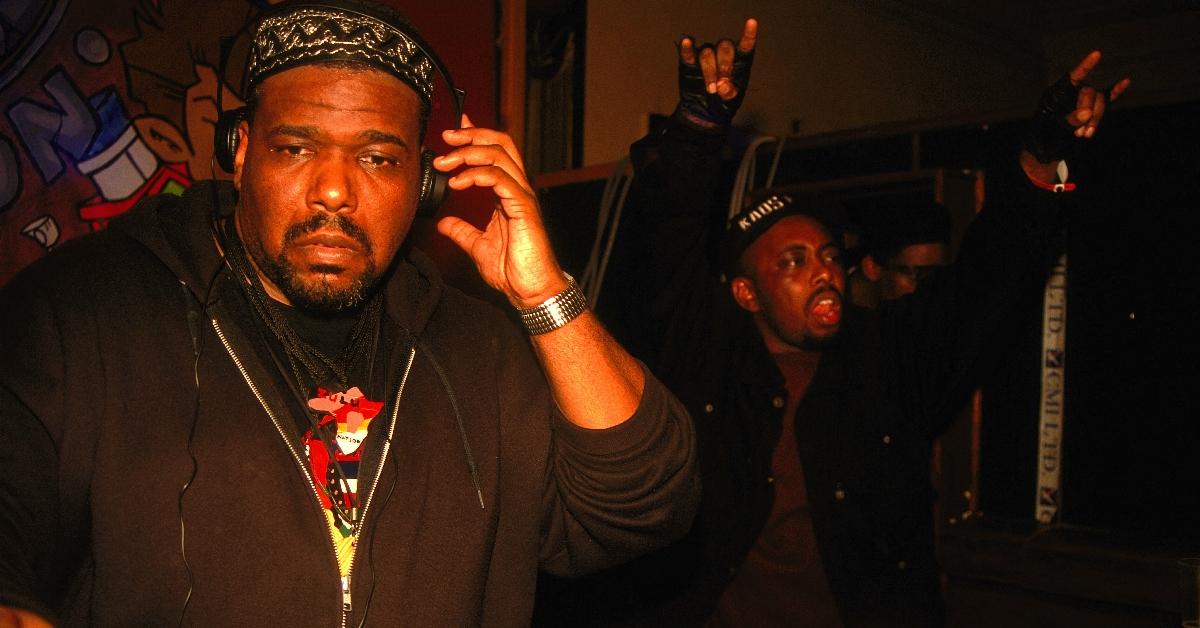
What was Afrika Bambaataa’s cause of death?
Per TMZ, sources share that the 68-year-old died at 3 a.m. in Pennsylvania on April 9. The cause? Afrika reportedly had complications from cancer.
AP also shared that Afrika’s lawyer has provided more insight into his death, citing prostate cancer as the culprit.
His lawyer didn’t share any news about Afrika spending his final moments with loved ones or if he died while in a hospital. However, we believe that more information will be shared in the coming weeks.
As expected, fans and lovers of hip hop alike have shared touching tributes about Afrika, highlighting his contributions.
“Hip Hop will never be the same without him — but everything hip hop is today, it is because of him,” Afrika’s talent agency Naf Management Entertainment told AP via an emailed statement. “His spirit lives in every beat, every cypher, and every corner of this globe he touched.”
Kurtis Blow, executive director of the Hip Hop Alliance, a labor force founded by himself alongside Chuck D, KRS-One, and others, also shared a statement.
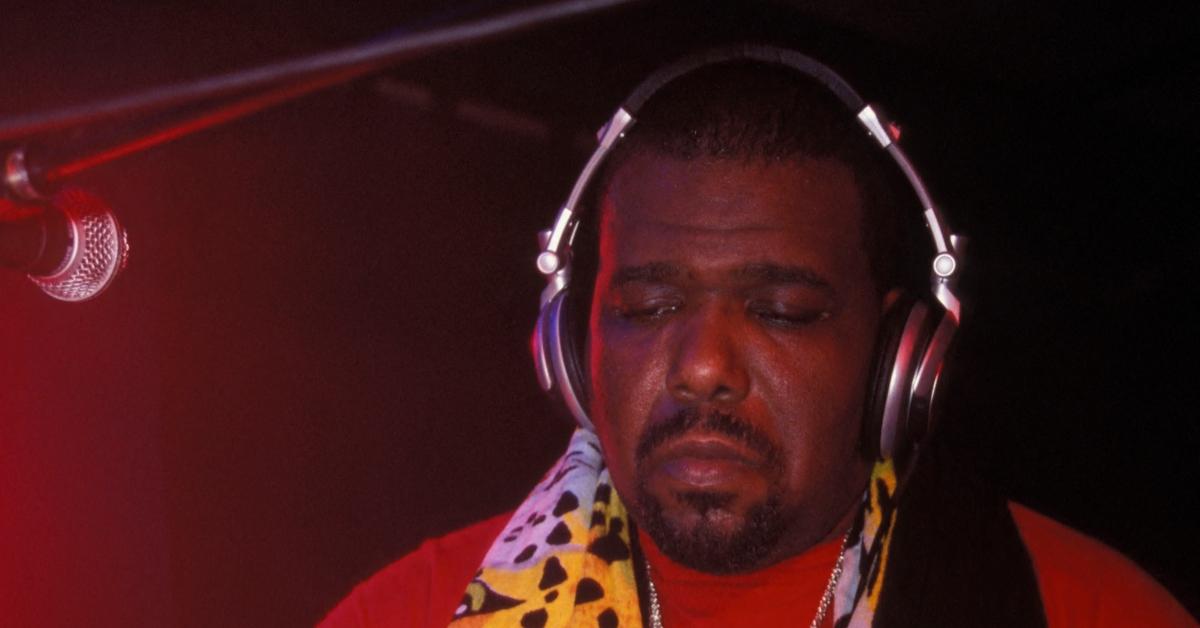
“Today, we acknowledge the transition of a foundational architect of Hip Hop culture, Afrika Bambaataa,” Kurtis wrote. “[He] helped shape the early identity of Hip Hop as a global movement rooted in peace, unity, love, and having fun. His vision transformed the Bronx into the birthplace of a culture that now reaches every corner of the world. … At the same time, we recognize that his legacy is complex and has been the subject of serious conversations within our community.”
Afrika Bambataa’s legacy has cemented him as a hip-hop pioneer and legend.
Per AP, Afrika’s legacy began with the parties he DJ’d in The Bronx throughout the ‘70s and ‘80s. Known for having Barbadian and Jamaican heritage, the icon was exposed to music, including the legendary Kool Herc, which allowed him to experiment with new sounds.
As his parties grew in popularity, so did his signature DJ style. The outlet notes that Afrika is the first DJ to use beat breaks and the person who released electro tracks that helped elevate the funk and hip-hop genres. He was later minted the “Master of Records” due to his eclectic taste.
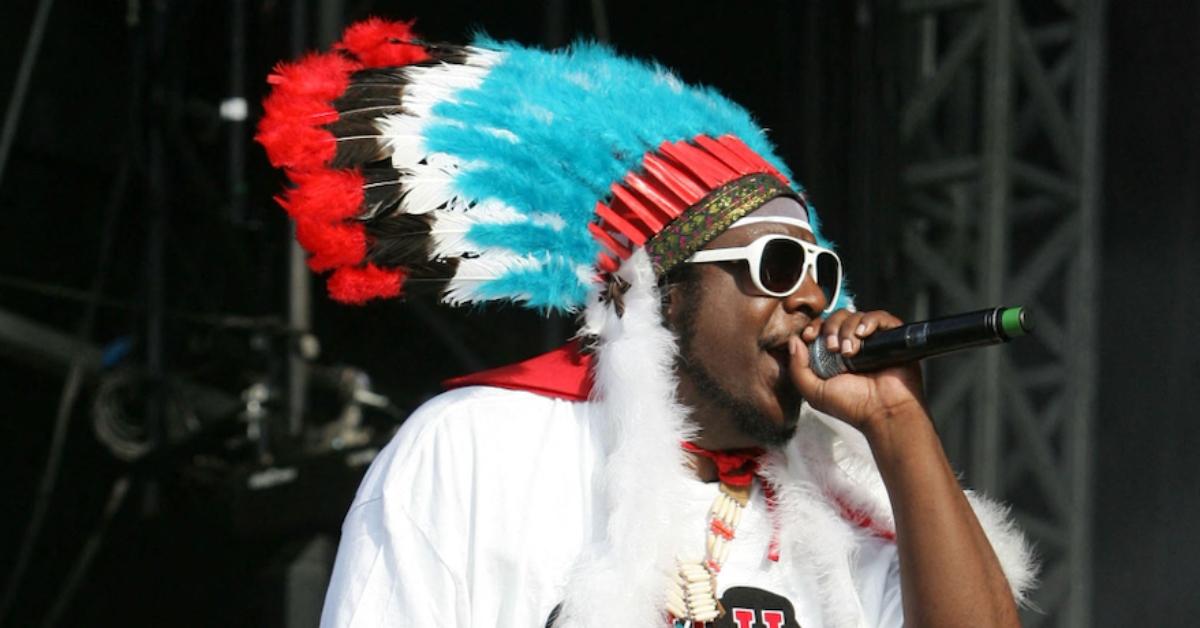
In the late ‘70s, Afrika co-founded the Universal Zulu Nation, which grew into a global phenomenon with chapters worldwide. As a result, he used the Nation to shine a bigger light on the genre, with notable hip-hop stars attending and performing at annual anniversary parties.
“At the core our music made people feel like they belong to a movement and not a moment, our music offered hope, something positive to believe in, it gave people identity, unity, and a way out,” Ellis Williams, aka Mr. Biggs, who was a member of the Universal Zulu Nation, told AP.
In 1980, Afrika released his first single, “Zulu Nation Throwdown.” However, it was his 1982 track, “Planet Rock” that earned him his first chart position at No.3 on the US Dance/Disco Top 80, No.4 on the US Hot Soul Singles chart, and No.48 on the Billboard Hot 100.
He went on to release 22 albums throughout his career.
Unfortunately, Afrika had legal troubles. AP reports that he was accused of sexual abuse by Bronx political activist and former music industry executive Ronald Savage. And while he categorically denied the allegations, Ronald made a point of sharing his experience, which he said occurred around four times. His revelation prompted other allegations to surface.
“I was scared, but at the same time I was like, 'This is Afrika Bambaataa,’” Ronald told the AP in 2016.
Interestingly, TMZ reports that a man accused Afrika of sex trafficking in the '90s, which left Afrika on the hook for a settlement in 2025 after he failed to show up to court.