
Eating More Protein Does Wonders for One’s Health, but Is There Such a Thing as Too Much?
Many argue that more protein is always better.

Published Jan. 27 2026, 2:57 p.m. ET

If you're trying to build muscle, then simply lifting weights and working out isn't enough. Fitness enthusiasts stress the importance of specific diet plans that include macro and micronutrient consumption. And one of the primary components of losing fat and getting jacked is ensuring you're getting enough protein. But can you eat too much?
Can you eat too much protein?
Protein, just like any macro nutrient such as carbohydrates and fats, need to be monitored. But there's a reason why ensuring you're eating enough of it every day is a cornerstone of personal fitness. Healthline delineates why these complex organic molecules are at the forefront of pretty much every health-obsessed person's mind.
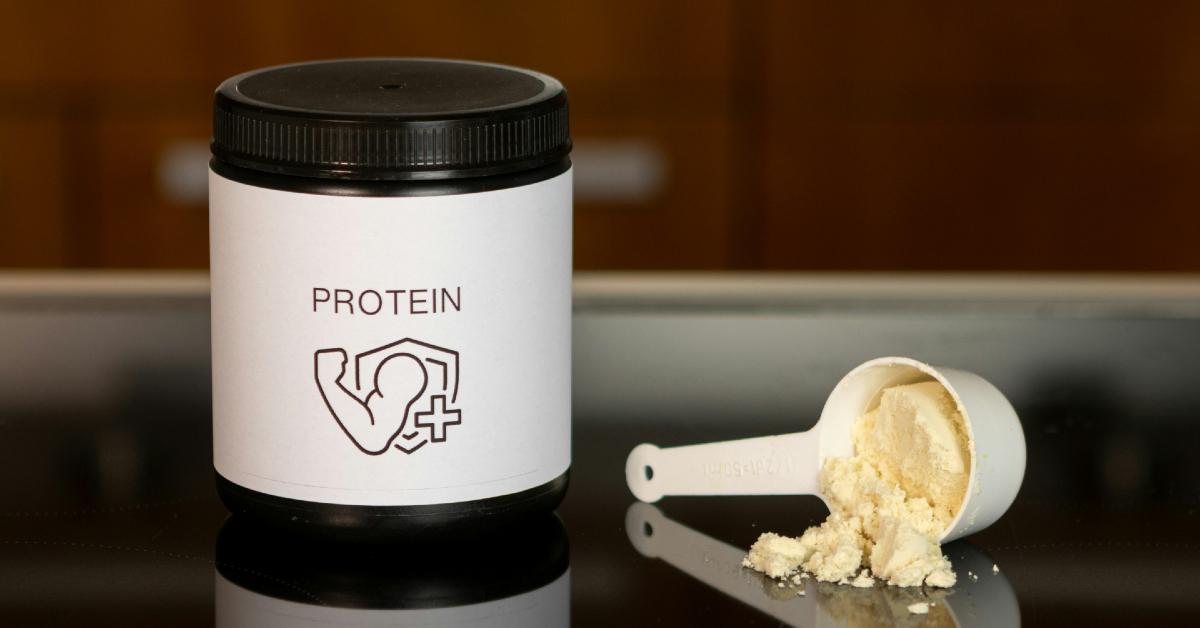
Protein intake reigns king for those of us who are looking to lose weight. The primary reason for obesity and weight gain is overeating, i.e., calories in, calories out. Of course, there are certain factors that play into this CICO philosophy.
Genetic variables, one's metabolic resting rate, and natural body composition can play a deciding factor in the types of food that people should eat. For instance, many individuals of East Asian descent have displayed disproportionately higher levels of lactose intolerance.
But protein is a great tool for weight loss, according to Healthline, due to the fact that it makes individuals feel full longer. It's why many fitness nerds stress consuming one's protein first before other macros. Doing so will help to resist the urge to overindulge on carbohydrates and curb late-night snacks, as you're going to feel full.
Additionally, protein packs other benefits like increasing one's bone density and pumping up one's muscle mass. Healthline went on to say that adult females, on average, should consume 46 grams of protein daily, whereas men should be getting at least 56 grams.
And if you're trying to build muscle, then Health writes that folks should be consuming at least 0.7 to 1 gram of protein for their target weight. So if you're trying to be 200lbs and swole, then consuming 200 grams of protein is safe.
Competitive bodybuilders will consume much more, at 2.3 grams to 3.1 grams for their body weight. So a 200-pound bodybuilder could consume up to 600 grams of protein in a day.
Just like any other nutrient, however, there are concerns that too much protein could be bad for you. If you're eating too many carbs, for example, your body can easily turn that into fat. However, research shows that protein operates a bit differently.

Due to the fact that protein is more difficult for one's body to break down (hence why it keeps you full for so long), it doesn't turn to fat as easily. Further analysis also shows that stored protein more quickly turns to muscle mass, so many contend that overeating isn't an issue when it comes to fat loss/gain.
Folks who consume more protein tend to have higher energy levels and sleep better than those who don't overfeed on the chemical. That being said, there are studies that show folks who have western diets can suffer from metabolic diseases when they overindulge on protein.
So it's best to consult a nutritionist for a more thorough medical assessment of your body if you're thinking of making any drastic changes to your diet.