
What Really Happened to Krissy Taylor, and How Did the Media Get It so Wrong?
Krissy had complained about her heart beating rapidly, but she was dismissed as simply anxious or experiencing "butterflies."

Published April 6 2026, 9:26 a.m. ET

Supermodel Krissy Taylor rose to fame alongside her sister, Niki Taylor, with the pair dominating the '90s fashion scene. In a tragic turn of events, Krissy died in 1995 at the age of 17. At the time, media outlets were all telling the same story about what had happened to the supermodel. However, Niki — who is still a working model today — never accepted the widespread narrative. She now uses her fame to speak about what really happened to her sister.
On July 2, 1995, 20-year-old Niki came home to find Krissy unconscious on the floor. She quickly attempted to resuscitate her sister but, tragically, was unable to do so. Krissy was transported to Memorial Hospital West in Florida, where she was pronounced deceased.
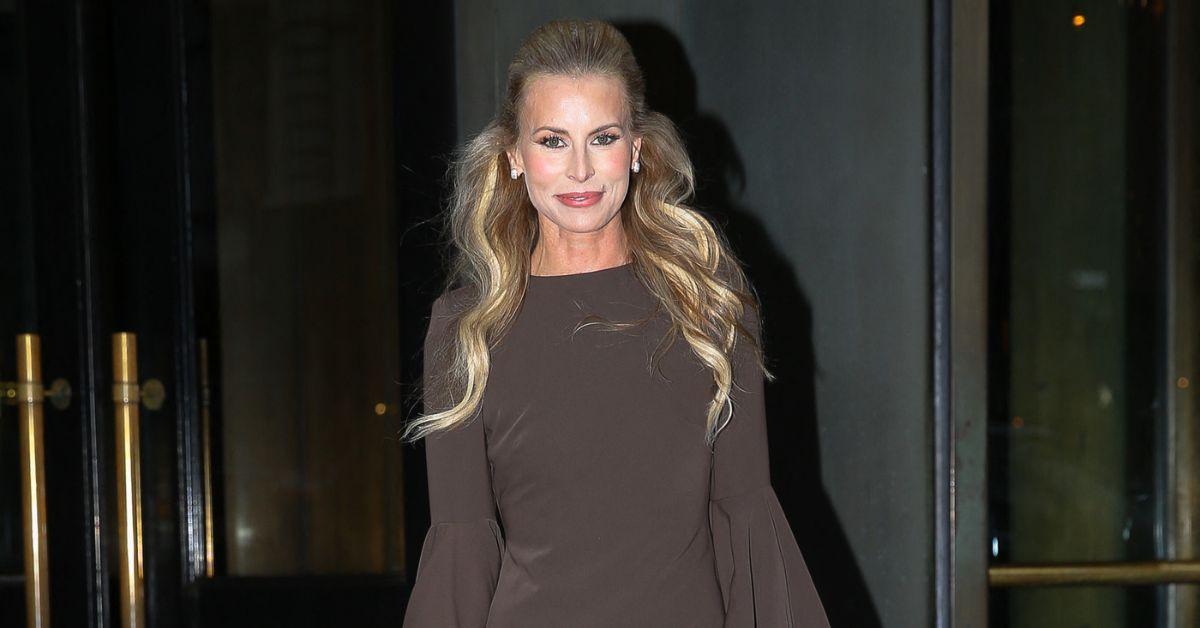
What was the public told about what happened to Krissy Taylor?
The public was told that Krissy had suffered from an acute asthma attack, causing cardiac arrhythmia. However, the story never really made sense, as Krissy had never had asthma, nor had she exhibited any signs of the condition. It was known that Krissy occasionally used an over-the-counter inhaler called Primatene for her allergies. The media took that information and ran with it, speculating that she must have used the inhaler on July 2, which triggered the cardiac arrhythmia.
Despite what they'd been told, Krissy's family remained unconvinced. They didn't believe that Krissy used Primatene shortly before passing away, and they didn't believe the story being told was the truth. So, the Taylor family hired independent experts to find out what really happened.

What really happened to Krissy?
According to the experts the Taylor family hired, Krissy suffered from undiagnosed Arrhythmogenic Right Ventricular Dysplasia (ARVD). The Taylor family has stated that the posthumous diagnosis was aligned with the woman they knew, and made more sense to them than the prior media narrative. In fact, Krissy had previously complained about her heart beating rapidly, but like so many other young women who aren't taken seriously, she was dismissed as simply anxious or experiencing "butterflies."
According to Johns Hopkins Medicine, ARVD is "a rare familial disorder that may cause ventricular tachycardia and sudden cardiac death in young, apparently healthy individuals." Symptoms include an abnormal heartbeat, feeling faint, and swelling. Sudden cardiac arrest can be the first symptom presented, which is why it's so important to seek medical care if one has any reason to suspect they may have ARVD. Keep in mind that, as in Krissy's case, ARVD is often misinterpreted as anxiety.
Niki has been speaking out.

Niki has continued her modeling career and often uses her fame to both raise awareness of ARVD and memorialize her sister. She currently works with the American Heart Association, promoting annual screenings and EKGs. The supermodel told OWN, "The biggest tragedy and loss in my life was losing my little sister. We were very close. We worked together. We did everything together. I miss her very much."