
The Orphans in ‘Poppy Playtime’ Appear to Have Met a Gruesome End
If employees questioned when a child went missing, the company would simply state that they were adopted by a family.

Published Feb. 20 2026, 3:28 p.m. ET

If you want to create an original IP that captures audiences, then you really can't go wrong with the horror genre. Film enthusiasts urge folks looking to make their first movie to consider making it a horror, and there are plenty of indie games that have entered the cultural zeitgeist and are rooted in terrifying premises like Five Nights at Freddy's and The Backrooms.
Poppy Playtime is another horror-themed indie game that has captivated gamers. A lingering question folks who have played the game have had is: What happened to the orphans?
What happened to the orphans in 'Poppy Playtime'?
According to this Poppy Playtime Fandom Wiki page, the orphans in the game lived in the Playcare facility, and some were selected as experimentation subjects for Playtime Co.'s machinations. The weeding out process was rooted in Game Station testing, and the kids who attained high enough scores were picked to be tested on.
The Playtime Co.'s sordid building history begins in 1976, when Elliot Ludwig, the founder of the company, established Playcare. This facility operated as an on-site orphanage for children without parents or guardians to live in safely.
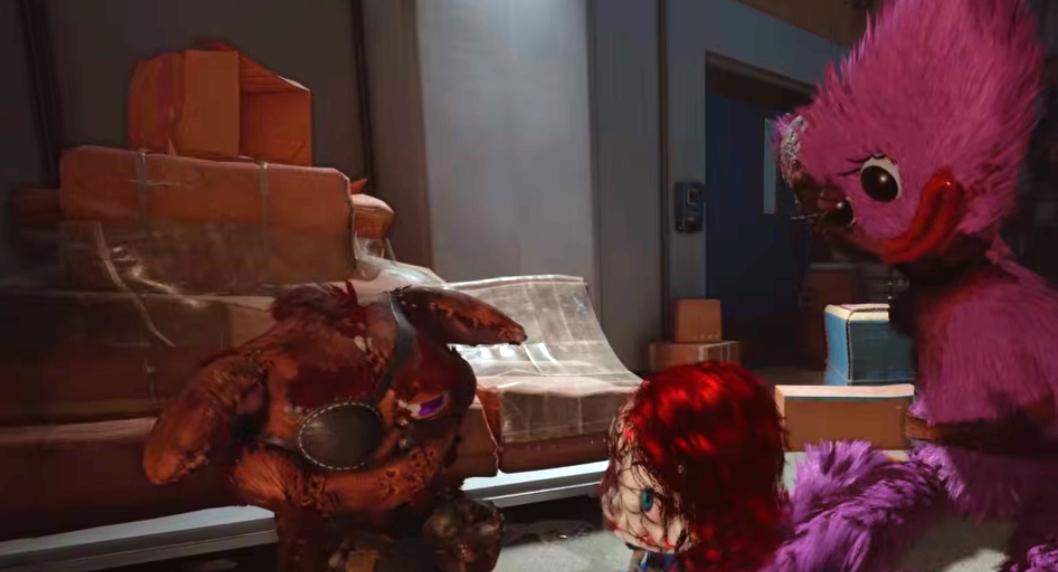
Playtime Co. employees were also encouraged to adopt these kids, and if they did so, they would be enrolled in a chance to get extra benefits for their magnanimity. It didn't take long for this program to take a dark turn, as the company took to heartrending measures to ensure the success of its Bigger Bodies Initiative.
This project incorporated large, living toys that could operate as wage-free slaves who could toil all day in the factory, effectively cutting costs for Playtime Co. and improving efficiency. There was only one problem: The Bigger Bodies needed human organs in order to properly function.
So, with an orphanage filled with kids, Playtime Co.'s resident doctor began experimenting on them and harvesting their organs so that these bodies could come to life. If employees questioned when a child went missing, the company would simply state that they were adopted by a family.
Furthermore, the business's in-house education curriculum prioritized teaching orphans that self-sacrifice for technological advancements and the advancement of humanity was a lofty ideal one could aspire to.
And if you were wondering about Red Smoke in the game, that plays a big part in how the orphans were manipulated.
This substance would knock them out instantly at night, which afforded Playtime Co.'s medical science team the ability to examine or experiment on the children. Originally, Red Smoke was intended as a way to help orphaned children sleep better at night since the 1980s.
But there were drawbacks to using it. Children purportedly had terrifying nightmares whenever it was used. And it's why Catnap is associated with this chemical agent. The children who were experimented on and turned into big toy slaves at the facility eventually revolted against the scientists and killed them all.
Caught in their wrath were Playtime Co.'s employees who were ignorant of the testing going on. This event is referred to as "The Hour of Joy." The surviving orphans were brought to Playtime Co.'s labs by The Prototype. There, they rest in a deep slumber, still alive, as Poppy states in the game.
However The Prototype reveals that they experimented on the children, and that they're now in "a better place," implying that they have all been killed.