
Why Did I Only Get Half of My Tax Refund? Here Are the Real Reasons
A smaller refund does not always mean a mistake, but maybe something changed behind the scenes.
Updated Feb. 11 2026, 11:35 a.m. ET

You filed your taxes. You double-checked the numbers. You even mentally spent the refund. Then the deposit hits, and it is … not what you expected. If you are wondering, "Why did I only get half of my tax refund?" you are definitely not the only one refreshing your bank app in confusion.
A reduced refund can happen for a few different reasons. Sometimes it is a simple processing correction. Other times, part of your refund was legally applied to a debt before it ever reached you. The key is figuring out which situation applies to you. Here's what you need to know.
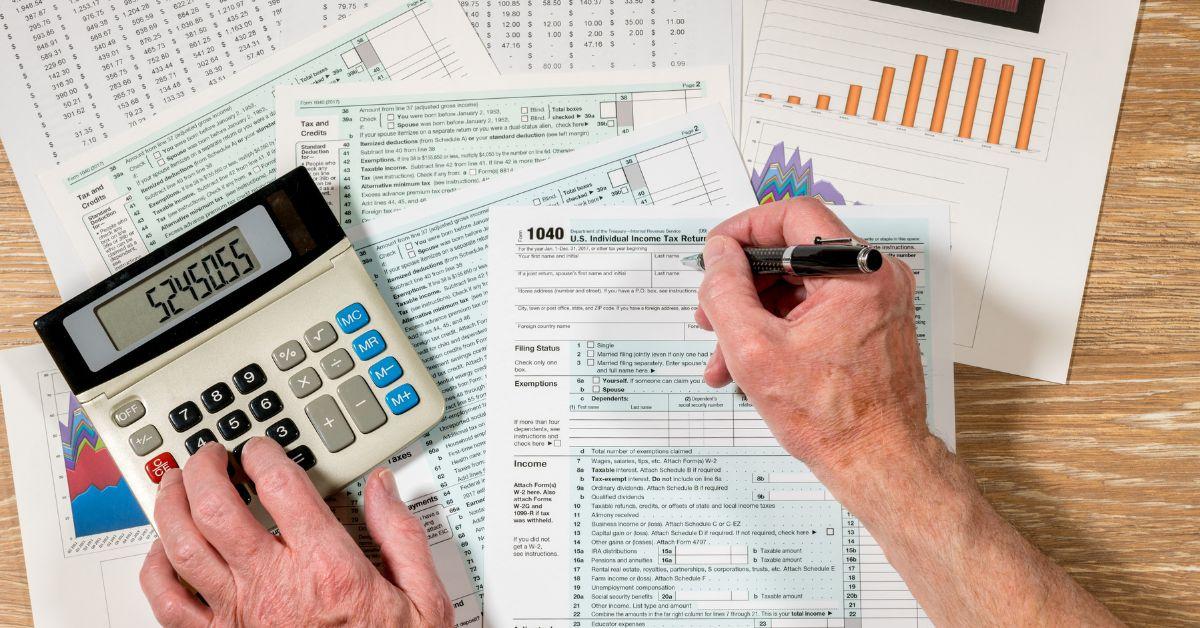
Why did I only get half of my tax refund? It could be an offset, a correction, or a debt you did not realize was still there.
One common reason is a tax refund offset. According to the USA.gov, your federal refund can be used to pay certain past-due debts through the Treasury Offset Program. These may include overdue federal or state taxes, child support, unemployment compensation debts owed to a state, or other qualifying federal debts.
The Bureau of the Fiscal Service administers that program. If your refund was offset, you should receive a notice explaining the original refund amount, how much was taken, and which agency received the funds. That notice is key because it identifies exactly where the money went.
An offset is legal and automatic once a qualifying debt is certified. It does not require new approval when you file your return. If you believe the debt is incorrect, you must contact the agency listed in the notice, not the IRS, unless the offset was for a federal tax debt.
Another reason you only got half of your tax refund could be a processing adjustment.
Not every reduced refund is tied to debt. Sometimes your return is adjusted due to a math error, missing information, or a discrepancy related to a credit or deduction. When that happens, the IRS sends a notice explaining what changed and how it affected your refund.
If you filed a joint return, one spouse’s past due debt may trigger an offset. In certain cases, the other spouse can file what is called an injured spouse allocation to request their portion of the refund back.
If you are unsure what happened, start by reviewing any letters from the IRS or the Bureau of the Fiscal Service. You can also contact the Treasury Offset Program call center to confirm whether an offset occurred and which agency received payment.
If you used a company or software to prepare your tax refund, contacting them might be helpful prior to waiting on hold with the IRS. They may be able to help you decipher what happened and answer your questions.
A smaller refund can feel like a punch to the gut, especially if you were counting on it. But the reason is usually documented. Whether it was an offset, a correction, or another adjustment, the next step is not guessing. It is checking the notice and contacting the correct agency, so you know exactly where your money went.