
Denise Amber Lee’s 911 Call Reveals How Multiple Calls and a Broken System Failed Her
Several 911 calls were made in Denise Amber Lee’s case, but not all of them reached the right place in time.
Published March 19 2026, 3:26 p.m. ET

On Jan. 17, 2008, Denise Amber Lee was at home in North Port, Fla., caring for her two young children when she was abducted. According to Denise’s Story, the 21-year-old’s disappearance quickly set off a search that involved multiple agencies and urgent calls for help.
What followed was not just one 911 call, but several — including one made by Denise Amber Lee herself. Those 911 calls contained critical information, but not all of it was shared or acted on in time. Keep reading as we take a closer look at the various 911 calls and how a broken system failed to save her.
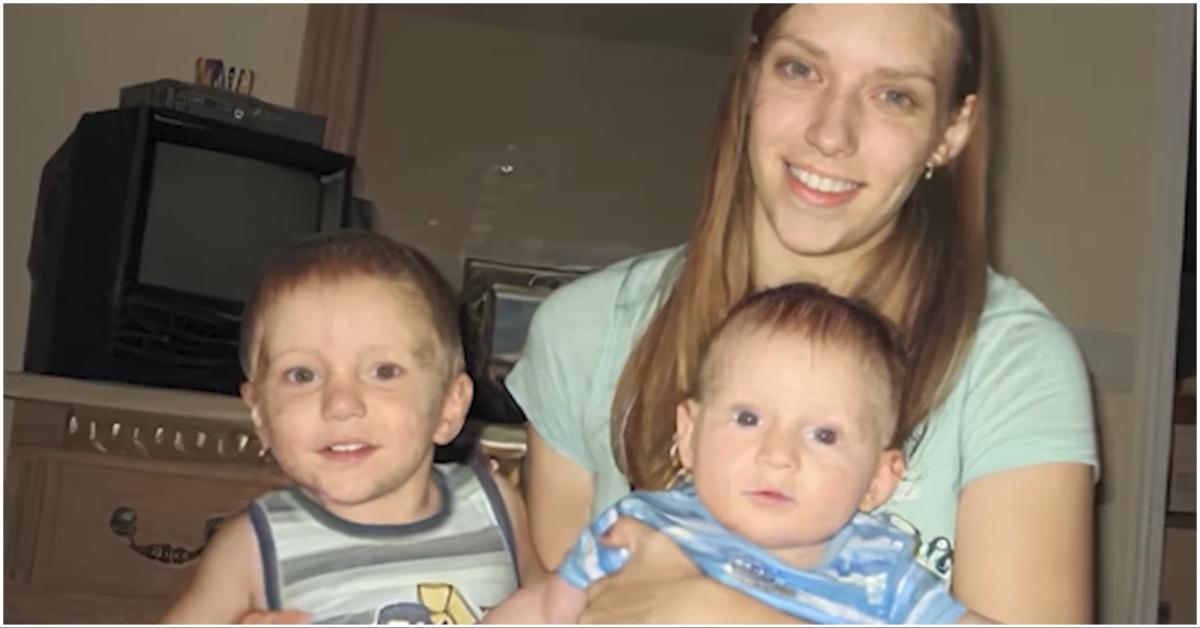
Denise Amber Lee’s 911 call was one of many calls made in an attempt to save her life that day.
After returning home and finding their two small children alone, Denise Amber Lee’s husband, Nathan, instantly knew something was wrong and called 911 to report her missing. This prompted law enforcement to begin searching for her. As the situation unfolded, additional phone calls began to provide important details about what happened.
According to ABC News, Denise Amber Lee was able to use her abductor’s phone to call 911. She quietly communicated with a dispatcher while speaking to her captor. During the call, she identified herself and expressed her desire to return to her family.
"Please let me go. Please let me go. I just want to see my family again," Denise was heard saying on the call. "My name is Denise. I'm married to a beautiful husband, and I just want to see my kids again."
At the same time, a witness driving nearby also called 911 after noticing a person in distress inside a vehicle. The caller wasn’t sure if the individual was a child or an adult, but could see them screaming for help and banging on the window. During the call, the witness included the location and a description of the vehicle.
Between the three 911 calls, the police knew what happened, who abducted her, and roughly where she was. So, the big question a lot of people ask is simple: Why wasn’t she saved in time?
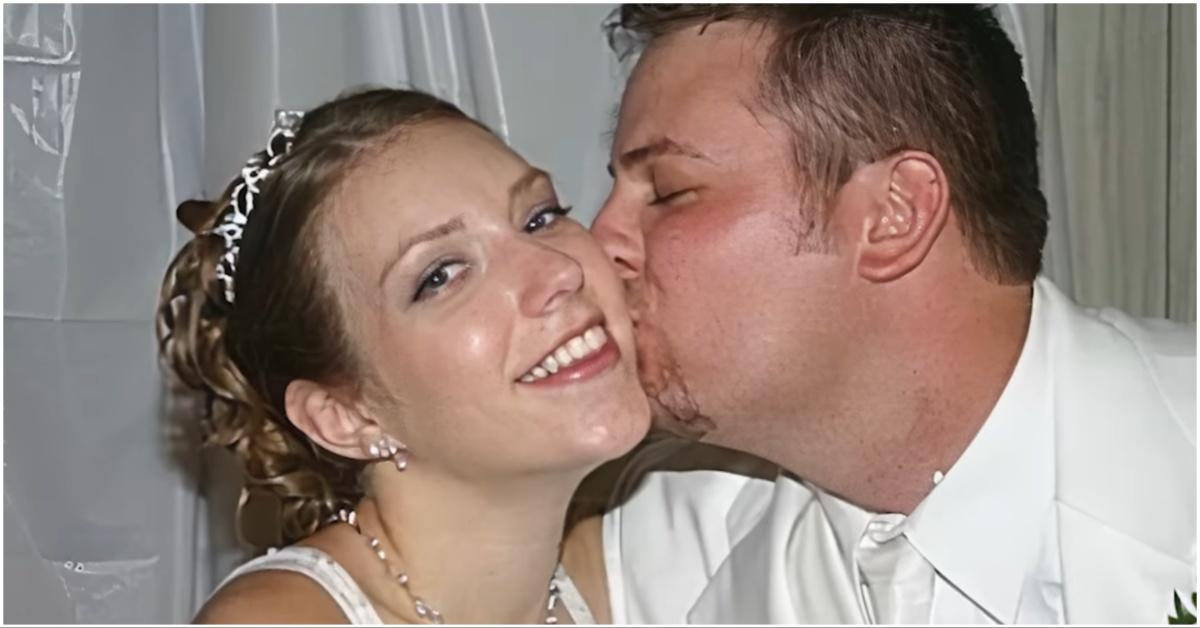
Sadly, the information from the various 911 was not handled properly.
Despite several calls coming in, the information was not effectively coordinated between dispatch centers. Some of the 911 calls were routed to Sarasota County, and others were handled by Charlotte County. The communication between the two call centers was limited.
The information from the witness about the location of the vehicle did not reach the authorities in time to save Denise’s life. Instead of being immediately entered into the system and relayed to officers, the information was initially written down and not dispatched right away.
An internal investigation later found that proper procedures were not followed in handling that call. Two dispatchers were disciplined, and additional training measures were put in place following the review.
At the same time, officials stated that it could not be definitively proven that a different response would have changed the outcome, though the handling of the calls remained a point of concern.
The case led to changes in how 911 systems are evaluated and improved.
In the years following the case, Denise Amber Lee’s family worked to raise awareness about the issues highlighted by the handling of the calls. Nathan Lee established the Denise Amber Lee Foundation, which focuses on improving emergency response systems and dispatcher training.
Their advocacy contributed to the creation of the Denise Amber Lee Act, which introduced new statewide standards for 911 operators in the state of Florida. The new law requires more extensive training to help ensure that critical information is handled properly in emergency situations.
Denise Amber Lee’s family has continued to share her story in an effort to prevent similar breakdowns in communication.
If you need support, call the National Sexual Assault Hotline at 1-800-656-4673 or visit RAINN.org to chat online one-on-one with a support specialist at any time.