
What Is the Difference Between Slalom and Giant Slalom in Competitive Skiing?
Both are technical alpine events, but tighter turns and faster speeds set them apart.
Published Feb. 20 2026, 1:37 p.m. ET
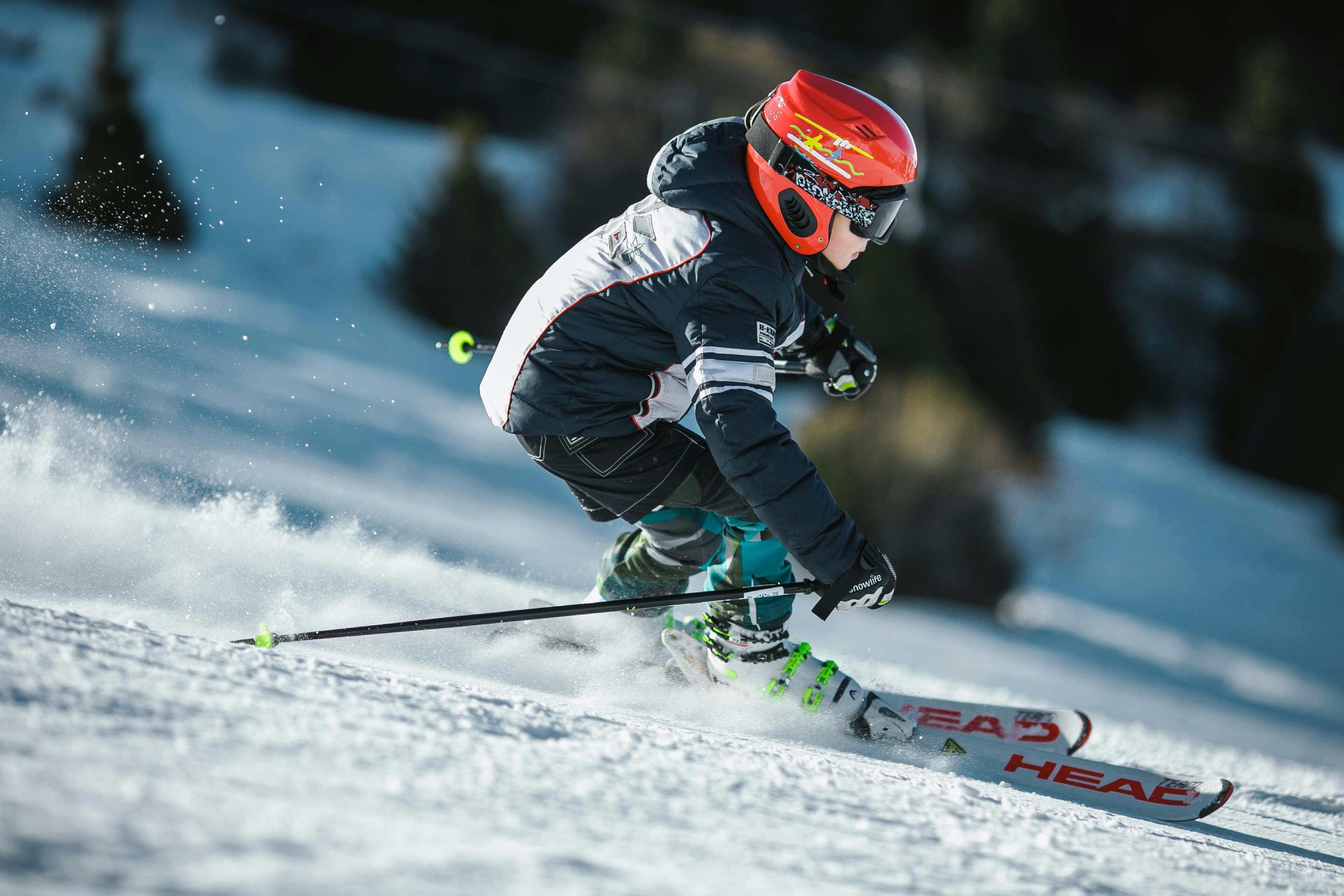
If you’ve ever tuned into alpine skiing during the Winter Olympics, you’ve probably heard announcers bounce between terms like slalom, giant slalom, Super-G, and downhill. To the casual viewer, it can all blur together — skis, snow, gates, and speed.
Turns out, the difference between slalom and giant slalom isn’t just a size technicality. It changes how the course is set, how athletes move, and even how the race is scored. Once you know what to look for, it’s actually pretty easy to tell them apart. Keep reading for a crash course in alpine skiing.
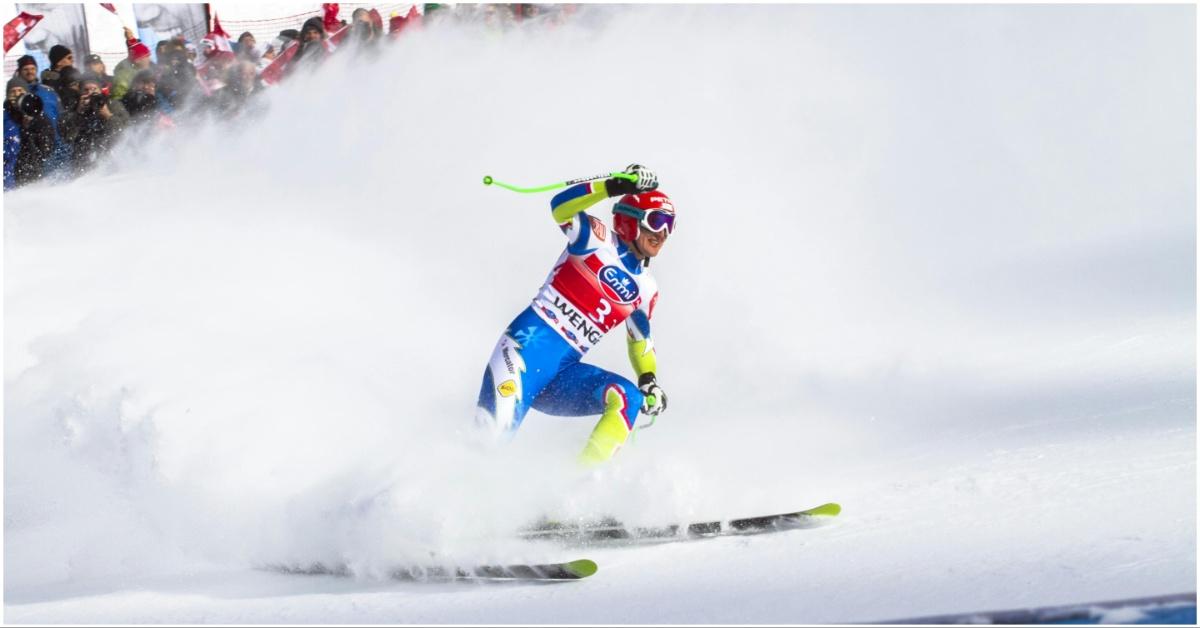
The difference between slalom and giant slalom comes down to gate spacing, speed, and rhythm.
Slalom features the tightest gate spacing of all the alpine disciplines. The poles are set close together, which forces skiers into quick, sharp, and rapid-fire turns. It’s aggressive and reactive. There’s very little time to reset between direction changes.
As a result of that tight setup, slalom courses have the highest number of gates among the four major alpine events. The emphasis is on precision and edge control rather than building maximum speed down the hill.
Giant slalom (GS), on the other hand, stretches the course out. The gates are spaced farther apart than in slalom, allowing for wider, smoother arcs. Skiers still need strong technical skills, but they’re carving longer turns instead of snapping from edge to edge every second.
That added space translates into more speed. According to NBC Olympics, slalom racers typically hit speeds near 40 miles per hour, while giant slalom competitors often reach closer to 50 miles per hour. While that difference may not sound like a big deal, it’s huge when you are on the snow.
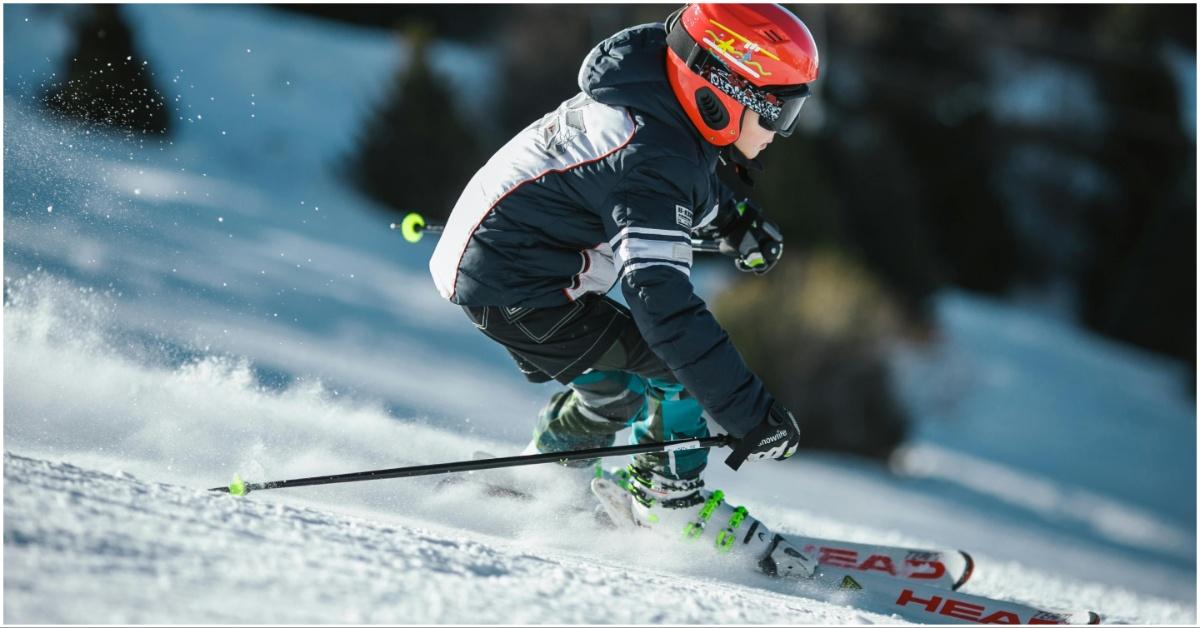
Course design also separates the two events. A giant slalom course generally has a vertical drop between roughly 250 and 450 meters, depending on category and competition rules. The number of gates is lower than slalom, and the percentage of direction changes is carefully calculated based on the hill’s vertical drop.
Slalom courses, by contrast, pack in more turns within a shorter distance. The tighter spacing demands fast reflexes.
Slalom and giant slalom are both technical events.
According to International Ski Competition Rules, both slalom and giant slalom are considered “technical events.” In alpine skiing, races are divided into technical and speed categories. Slalom and giant slalom fall under technical because they emphasize frequent direction changes and turning accuracy.
Technical events also share a competition format. Each skier completes two runs on different courses set on the same slope. Their times are added together, and the fastest combined time wins. That two-run structure rewards consistency as much as speed.
Speed events — downhill and Super-G — operate differently. Racers get just one run. The courses are longer, gates are spaced wider, and athletes can exceed 80 miles per hour in downhill. Super-G sits somewhere in between, blending speed with moderate turning demands.
Understanding this bigger picture helps clarify the difference between slalom and giant slalom. They’re not simply “slower” versions of downhill. They’re events built around control, timing, and technical execution.
So, if you’re watching alpine skiing and wondering which event is which, pay attention to the rhythm. If the skier is making rapid, sharp turns with poles flying past, you’re likely watching slalom.
If the turns look broader, more sweeping, and the athlete seems to carry more sustained speed between gates, that’s giant slalom. Both demand elite control and balance; they just test those skills in slightly different ways.