
GeunWoo Kal Wants Sci-Fi to Stop Scaring People About the Future
The founding editor and post producer of Story believes films can do more than entertain. They can change how people think about science, technology, and what comes next.

Published May 24 2026, 10:03 a.m. ET

GeunWoo Kal was 12 when he came to the United States from Korea, and at first, the future did not feel cinematic. It felt confusing. He was in a new country, learning a new language, and trying to make friends while still figuring out how to say what he meant.
Then a simple weekend invitation changed everything.
“My roommate Jason asked if I wanted to help him film something,” Kal said. “I said yes, and that was the start. I did not know yet that filmmaking would become the thing that helped me understand myself, other people, and the future.”
Jason would later become the founder of Story. Back then, they were just two kids making films, talking about movies, and imagining a studio of their own. Through middle school and high school, the idea kept growing. They wanted to build something big. More specifically, they wanted to build one of the great science fiction production studios.
That dream could have stayed a childhood fantasy. Instead, it became the work.
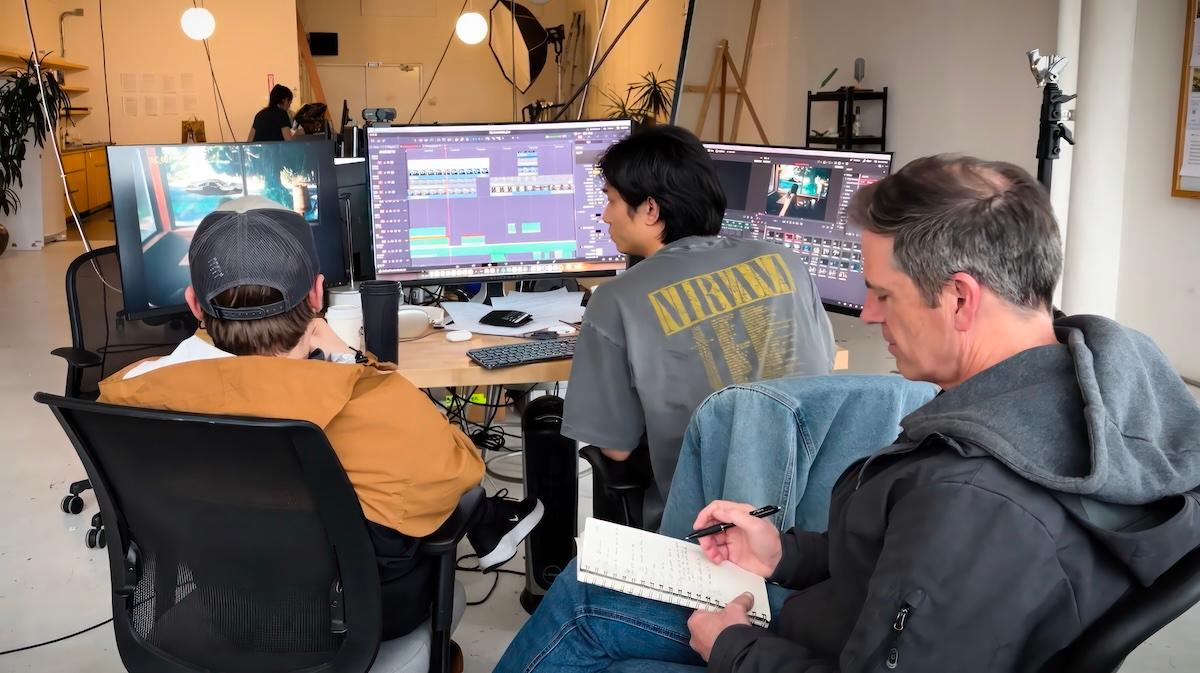
Today, Kal is the founding editor and post producer of Story, where he edits videos ranging from short client advertising spots to short and feature-length nonfiction films and fiction films. The team has grown to fifteen people, but Kal still talks about the mission with the clarity of someone who remembers exactly where it started.
“We are still chasing the same goal we had as kids,” he said. “The tools are different now. The projects are bigger. The stakes feel more real. But the dream is still there.”
For Kal, movies were always part of childhood. He loved watching them, but the idea of making one did not feel real until he was pulled into the process. Once he got his hands on a camera and saw how a story could be built from nothing, something shifted.
“It felt like a door opened,” he said. “I had grown up loving stories. Then suddenly, I could be the person creating them and sharing them with other people.”
The deeper he moved into filmmaking, the more he noticed a problem in the kinds of future stories audiences were being given. Much of modern science fiction, he believes, leans heavily toward the dystopian. The future is often shown as broken, hostile, or doomed. To Kal, that pattern matters because stories do not simply pass the time. They train people to expect certain outcomes.
“When every version of tomorrow looks frightening, people start to think the future is something that happens to them,” Kal said. “I want people to see it as something they can help shape.”
That belief now sits at the center of his work. Kal is drawn to the space where cinematic filmmaking meets frontier technology, philosophy, and human curiosity. He is interested in subjects that can sound intimidating on paper, including neuroscience, space, energy, defense technology, and artificial intelligence. His goal is to make those ideas emotionally understandable without stripping away their complexity.
“The challenge is not just explaining an idea,” he said. “The challenge is helping people feel why it matters.”
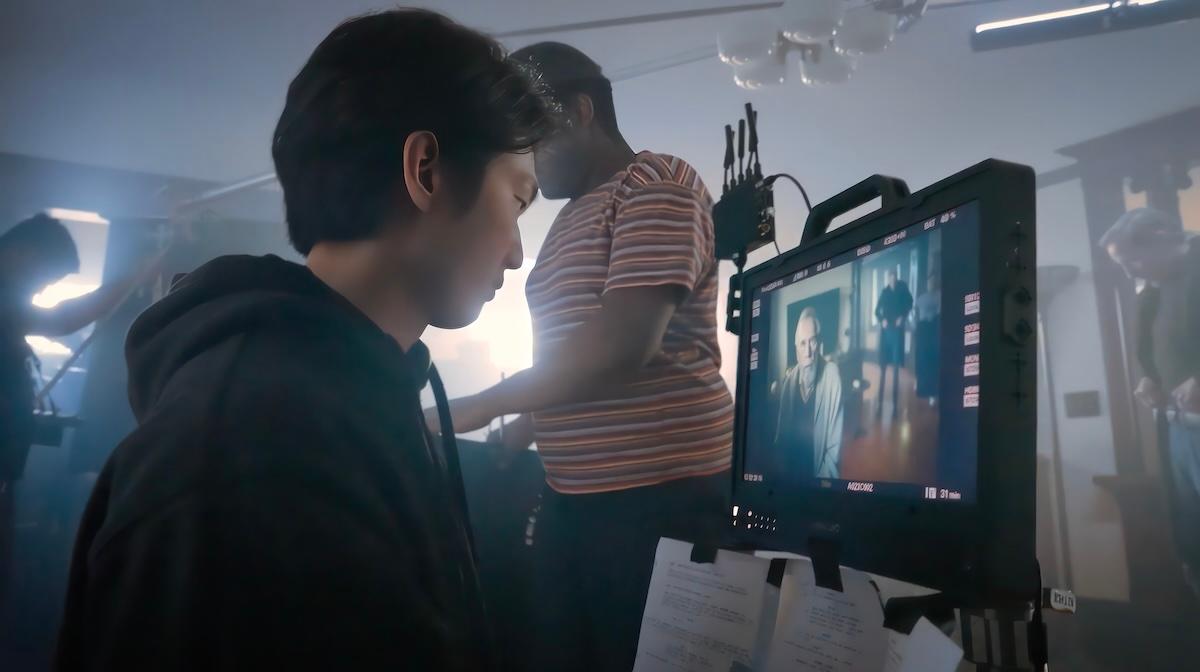
That perspective has shaped the body of work Kal has built through Story. He has led post-production and creative development across documentaries, commercial films, and science-focused media projects made to help broader audiences understand complicated ideas. Story’s YouTube channel has grown to more than 175,908 subscribers. Kal has edited more than 35 short and feature-length documentaries, along with a short fiction film.
His experience also stretches beyond Story. He has worked professionally as a First and Second Assistant Camera on more than 23 advertisements, independent films, and web drama productions. Those projects include multiple Hyundai campaigns, independent narrative films, and Korean web drama series. One narrative film he worked on as A cam second assistant camera won multiple independent film festival honors in Korea, including the Daegu excellence award in domestic competition.
Still, Kal is quick to say the work has not been simple. Filmmaking has meant late nights, tight deadlines, quick turnarounds, and high expectations. It has also forced him to grow from a student into a key member of a real company.
“There was a point where I realized technical skill was not enough,” he said. “I had to learn how to communicate with clients, how to listen to my team, and how to understand what someone actually needed, even when they could not say it clearly yet.”
That lesson changed the way he thinks about editing. It is not only a technical process. It is a human one. Every cut, every scene, and every shift in pacing affects how an audience receives an idea. A film about science or technology can easily become cold or distant. Kal wants the opposite. He wants viewers to feel invited in.
“People sometimes think storytelling is just marketing or entertainment,” he said. “I think it is much bigger than that. Stories influence trust. They influence culture. They influence what people believe is possible.”
That is why Kal believes the future of media will not belong only to the creators who chase trends or algorithms. It will belong to those who have a point of view. Tools will change. Platforms will change. AI will change how content is made and distributed. Kal sees those shifts clearly, but he does not believe technology replaces vision.
“Technology can help you move faster,” he said. “It cannot decide what you care about. It cannot give you curiosity. It cannot replace the ability to move another person.”
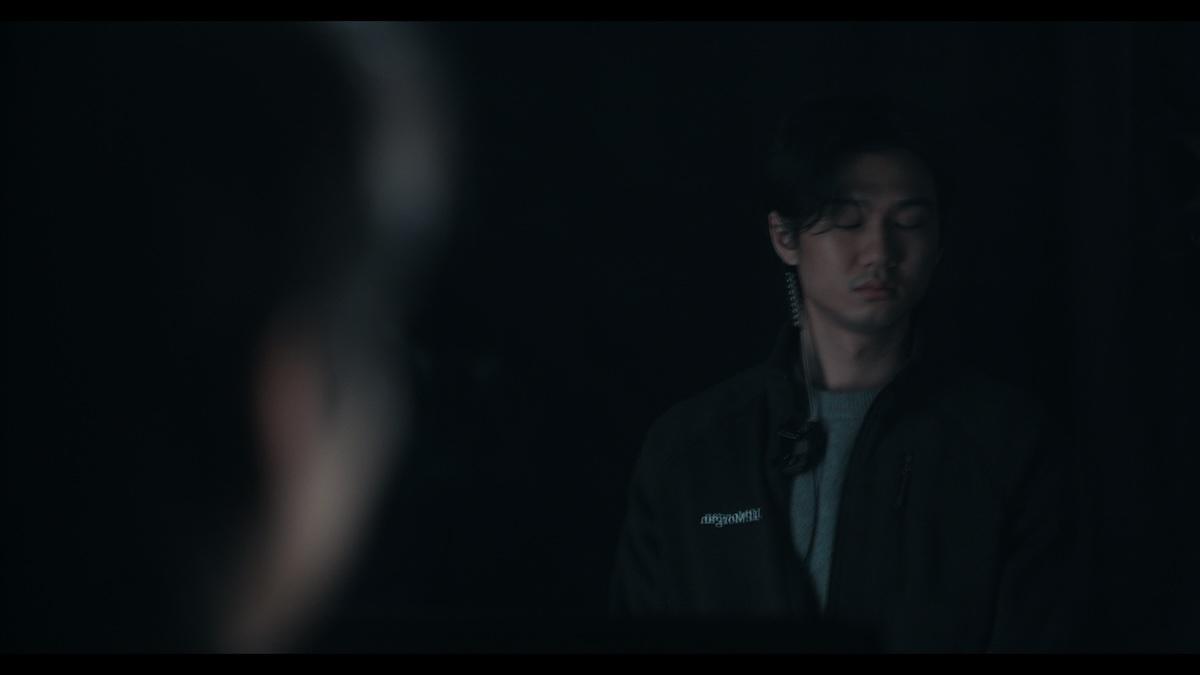
For Kal, the best work comes from combining technical understanding with emotional honesty. He wants films to help people feel more optimistic about the future and more inspired to build toward it. He has seen that response from viewers who have commented, emailed, or said that Story’s films changed the way they think. Some have even said the work encouraged them to consider science, engineering, or building technology that could improve people’s lives.
“That is when the work feels meaningful,” Kal said. “If a film helps someone think bigger about their own life or the future, then it has done more than tell a story.”
His long-term goal is bold. Kal wants to help build Story into one of the greatest science fiction and future-focused film studios in the world. He wants the studio to create films that combine real scientific and technological ideas with cinematic stories that reach people emotionally and intellectually.
The company motto captures that ambition: “Story inspires science. Science makes story real.”
For Kal, that is not just a line. It is the reason he still believes in the dream that began with weekend filming and two kids imagining a studio before they knew how hard it would be to build one.
“I want our films to make people feel that humanity can create something better,” Kal said. “The future is not finished. That is the most exciting part.”
For more information on GeunWoo Kal, visit the Story website.