
Joel Ronnie Leads From the Wings and Lets the Work Speak
An 18-year career has made him a trusted dance captain, original cast creator, and mentor for performers who want excellence without ego.

Published April 27 2026, 1:52 p.m. ET

Joel Ronnie started dancing at age 8 in Ponoka, Alberta, a modest town of about 7,000 people. Years later, he performed in the original cast of Wonder of the Seas, a ship so large that the combined guest and staff capacity exceeds his hometown by roughly 2,000 people. He likes that contrast because it captures what his career has been about.
Big stages can come from small beginnings.
“I was a kid from a small place with a very big focus,” Ronnie says. “Dance gave me direction early, and I never stopped treating it like a real craft.”
His professional career spans 18 years, and a large part of it has been built at sea, where he became a trusted dance captain on major productions for the world’s most recognized cruise line. The shows are elaborate, technically complex, and built to run for decades. In that environment, the job is not only to perform. The job is to protect the integrity of the work.
A competitive kid who chased training like it mattered
Ronnie was a serious competitive dancer, traveling regularly through Canada and the United States. One of the milestones he still holds close is receiving a Dancer of the Year title at the American Dance Awards. He also earned training scholarships in New York City and Los Angeles, where the pace and expectation sharpened him.
“I learned what professional really means,” he says. “Competition made me grow up fast.
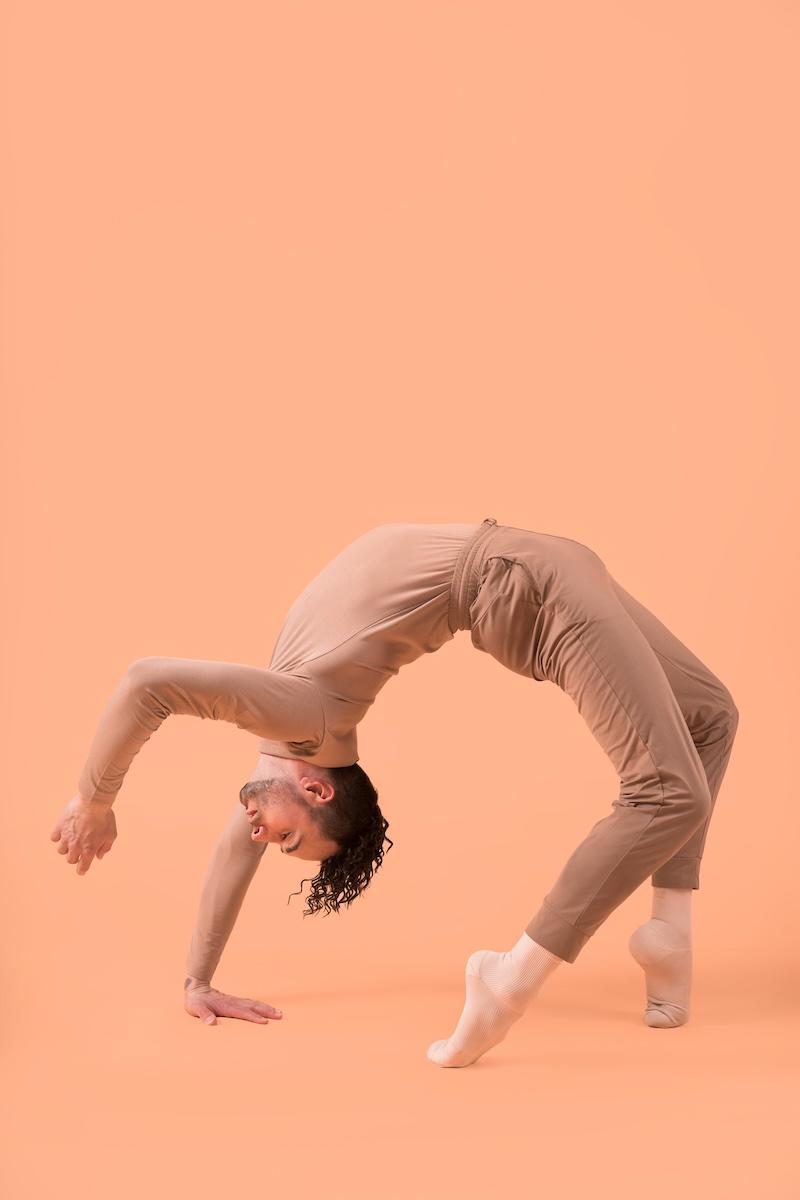
At 18, he auditioned for So You Think You Can Dance Canada. His solo was featured in Season 2. He earned the golden ticket and went to Toronto for finals week. He did not make the Top 20, and he still remembers the sting. Then his first professional contract offer arrived a few days later, and he went to Miami for rehearsals.
“That was my first lesson in this industry,” Ronnie says. “A no can turn into a yes fast. You have to stay ready.”
Why dance captain is a leadership job, not a title
Ronnie stepped into his first original cast creation in 2016, building two brand new shows. In the cruise world, original cast work has unusual weight. A production can run for 20 years or more. Your body becomes part of what the show is. Ronnie calls that legacy, and he treats it with pride.
He has served as dance captain for the past eight years and has presided over 12 shows in that time. The work is part leadership, part coaching, part crisis management. Each performance includes integrated technology and unusual moving parts. He has performed with robots, lasers, and magic elements, alongside dancers, singers, contortionists, acrobats, and musicians.
“A lot can go wrong on a modern stage,” he says. “My job is to make sure the audience never feels that.”
He talks about integrity as the central standard. A show should look the same on night one and night three hundred. A swing should feel prepared, not thrown in. An understudy should feel supported, not exposed.
“I love the moment when someone steps into a new track with almost no notice and delivers,” he says. “That is why we rehearse.”
Ronnie has worked with choreographers and directors including Kevin and Marcel Wilson, Del Mak, and renowned director Racky Plews. He describes those collaborations as demanding in the best way.
“World class creatives expect you to be ready,” he says. “They also teach you how to raise your own standard.”
One of Ronnie’s proudest credits is Cats The Musical. Being part of that production mattered to him as a performer. Being entrusted as dance captain mattered to him as a leader. He also covered three lead understudy tracks, including Munkustrap, Rum Tum Tugger, and Macavity.
“Cats is not a show you can fake,” he says. “It asks for stamina, detail, and full commitment every time.”
He believes the work of a dance captain is care. You care for the cast. You care for the choreography. You care for the show’s identity, even when the environment is unstable.
At sea, instability can be literal. Weather shifts. The ship moves. Ronnie plans contingencies and rehearses them.
“You have to build trust,” he says. “If they trust you, they stay calm. Calm keeps people safe.”
Mentorship that grew bigger during the pandemic
During the COVID-19 period, Ronnie expanded his influence through a dance convention he built for aspiring pre-professionals called The Industry Experience. He mentored dancers who later went on to professional careers on cruise ships and in TV and film. He also takes pride in the young dancers he developed early on, many of whom are now dance captains and leaders in the industry.
“Mentorship is part of my purpose now,” he says. “I love seeing someone realize they belong here.”
He also speaks openly about a personal challenge that shaped how he leads. As a younger dancer, he struggled with stress and body image. He healed that relationship by learning to see himself as an athlete, not a critique.
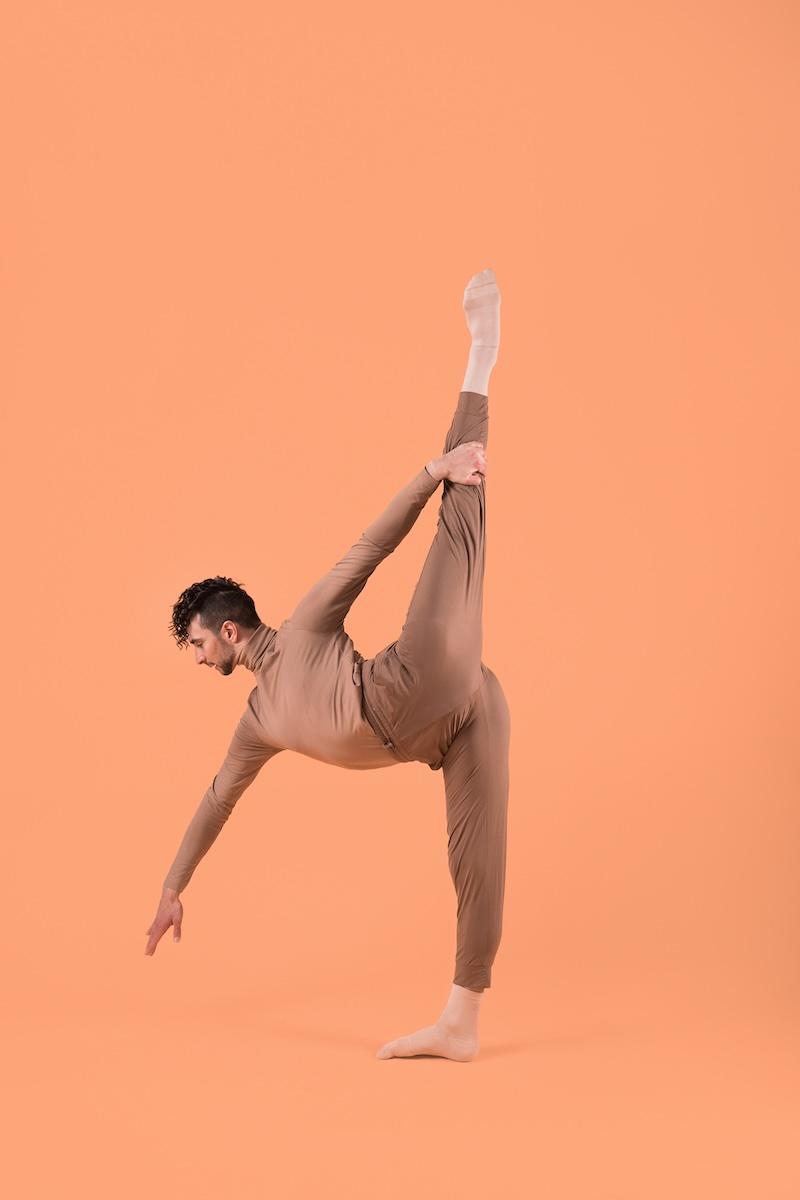
“That shift changed everything,” he says. “I became stronger because I stopped fighting my own body.”
Now he works to create a body positive environment for younger dancers so they can perform with confidence and strength.
“My career took off later than I expected,” he says. “I stopped trying to control the timeline and started committing to the moment.”
His next goal is clear. He wants to move deeper into choreography and artistic direction, taking projects from creation through performance, building strong rehearsals, and shaping environments where people thrive.
“I want a bigger impact than me onstage,” Ronnie says. “I want to help build the next generation of excellence.”
You can find Joel Ronnie on Instagram.