
Ukraine Skeleton Racer Helmet Sparks Olympic Controversy and Disqualification
A helmet design meant to send a message instead led to a ruling that stunned fans.
Published Feb. 12 2026, 11:02 a.m. ET

At the Winter Olympics, helmets are supposed to keep competitors safe and make them more aerodynamic, but one Ukrainian skeleton racer's helmet quickly became the center of attention after officials ruled it did not meet competition standards.
The situation unfolded during the Olympic competition and involved Ukrainian skeleton athlete Vladyslav Heraskevych. What started as a visible show of support ended with an official decision that removed him from the results. Here's what we know about the controversy.
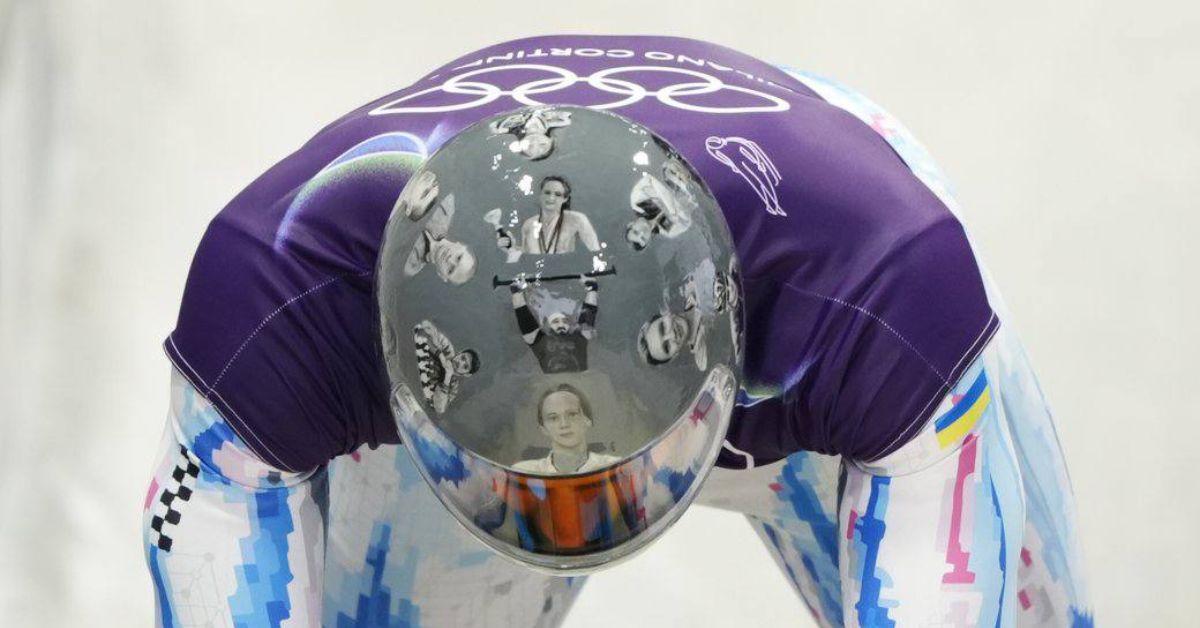
What was the problem with the Ukrainian skeleton racer helmet?
According to the Associated Press, Vladyslav's helmet design violated equipment regulations. The helmet featured more than 20 Ukrainian coaches and athletes killed in the Ukrainian-Russian war.
Olympic competition equipment must meet strict standards, and athletes are not permitted to display unauthorized political messaging on their gear. Officials ruled that the helmet design fell outside those guidelines.
The ruling focused on compliance, not intent.
While Vladyslav has previously used his platform to speak about Ukraine’s situation, officials evaluated only whether the helmet met competition guidelines. From their standpoint, it did not.
The controversy drew immediate attention because Vladyslav is one of Ukraine’s most prominent skeleton athletes. He has openly addressed the war before, including at past Olympic events. That history made the helmet’s design more than just decorative in the eyes of many observers.
International Olympic Committee (IOC) President Kristy Coventry said, “No one, no one — especially me — is disagreeing with the messaging. The messaging is a powerful message. It’s a message of remembrance. It’s a message of memory, and no one is disagreeing with that. The challenge that we are facing is that we wanted to ask or come up with a solution for just the field of play.”
She tried to change his mind, but he would not budge, and she cried over the decision.
Why was Vladyslav disqualified?
Vladyslav was disqualified because the helmet violated competition equipment rules, and he refused to change it.
The IOC said the helmet was “inconsistent with the Olympic Charter and Guidelines on Athlete Expression.” They allowed him to wear the helmet in training but asked him to wear a different helmet in the official events. They offered for him to wear a black armband or even show the helmet once he was off the ice.
The decision did not relate to his time on the track or his performance. It was tied strictly to the equipment violation. That distinction matters because, in skeleton, results are determined by run times, but eligibility is governed by compliance.
The incident quickly became a broader conversation about how athletes can express support for causes during international competition. Olympic guidelines aim to maintain political neutrality, which can place limits on visible messaging.
For Vladyslav, the helmet was clearly meant as a statement of support during a global stage where visibility matters. For officials, however, it was a straightforward matter of compliance with established Olympic and federation equipment rules.
The controversy ultimately highlighted the ongoing tension between personal expression and institutional regulation. In the end, officials say they enforced the rules as written, regardless of intent or message.