
'The Investigation of Lucy Letby' Digitally Anonymizes Some of its Subjects

Updated Feb. 5 2026, 10:41 a.m. ET

Netflix's true crime documentaries are one of the core pieces of its overall brand, even though they often deal with deeply unsettling cases. The Investigation of Lucy Letby, which tells the story of a neonatal nurse who was convicted of killing multiple babies, is unsettling even by the standards the streamer usually sets.
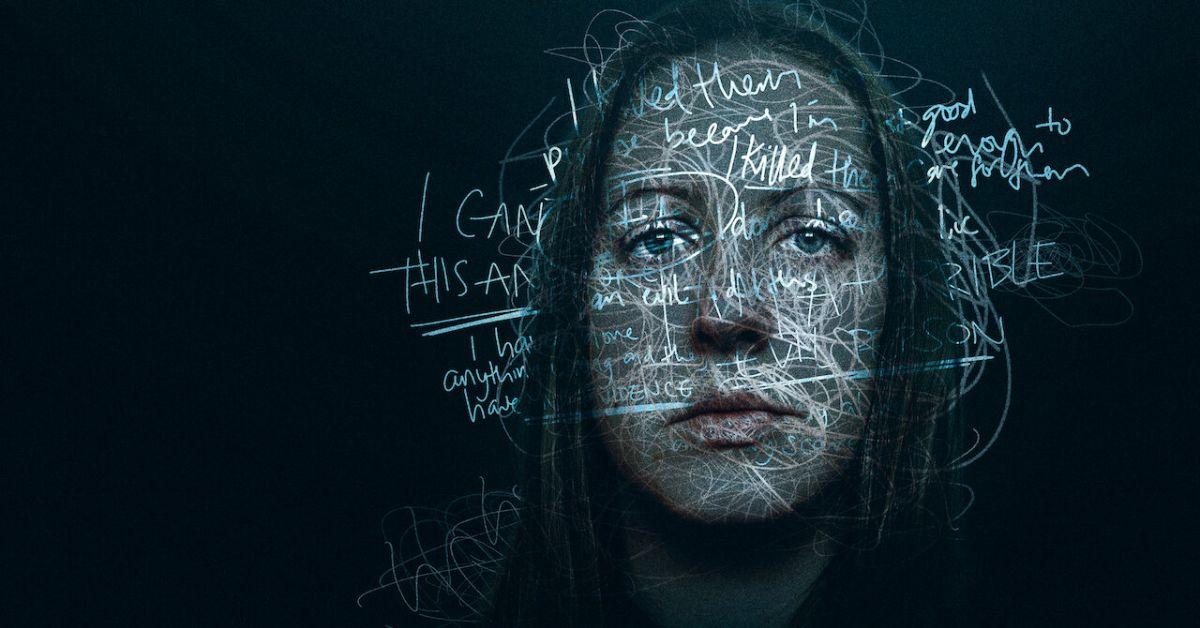
Following the documentary's release in January, many people started to notice one feature of the documentary in particular. Namely, that the filmmakers had digitally anonymized several interview subjects in the film, including a victim's parent and one of Lucy's friends. Here's what we know about what that means.
What does it mean to digitally anonymize someone?
Anonymization in documentaries is not a new phenomenon. By disguising a person's face and voice (usually by hiding them in shadows and manipulating their voice afterwards), interview subjects who don't want to be on camera can still make their voices heard.
Digital anonymization is a new phenomenon, though, and while we don't know precisely what it means, it seems that Netflix employed technology not to hide the faces and voices of some subjects, but to replace them entirely.
While we don't know whether they used AI to do this or not, it seems possible that Netflix used AI to digitally replace the voices and appearances of the interviewees, leaving them unrecognizable to anyone who might have known them without having to hide their faces in shadow. This technique might seem like a technical breakthrough, but many people who saw the documentary described the technique as either unsettling or infuriating.
Netflix subscribers are not into digital anonymization.
While Netflix appears to have tried to make their use of this technology rather subtle (they put a notice in the corner of the screen), people who watched the Lucy Letby documentary were not having it.
"This digital anonymising on the Netflix Lucy Letby doc is incredibly unsettling. I’m assuming they used AI. Just go back to using voice of an actor," one person wrote on X (formerly known as Twitter).
Other users expressed something similar, suggesting that tried and true techniques for disguising a person's voice and face were less unsettling than these new methods, which involve essentially reskinning a person's face. While there is always going to be a need to anonymize sources in documentaries, there are clearly plenty of people who feel like this was not the best way to do it.
While AI technology has come a long way, and will continue to advance in the years to come, it's fair to say that many people were immediately unsettled by the ways in which these faces seemed to be distinctly inhuman. Maybe another documentary will find a better way to do this, or maybe it's best not to try to fix something that many people don't see as broken.
Either way, what's clear is that digital anonymization might not be ready for prime time just yet, and might actually have distracted some people who were just trying to watch a documentary.