
Why People Eat Grapes on New Year’s Eve and What the Tradition Really Means
What looks like a viral trend follows a structured ritual with roots in European New Year’s customs.
Published Dec. 29 2025, 11:29 a.m. ET

In late December, TikTok turns into a playground of wacky New Year’s traditions. You’ve probably seen somebody crouched under a table at 11:59 p.m. with a handful of grapes and hopes for good luck. It may look comical, but the tradition behind it is actually old-school — and very specific.
In Spain, and in many places influenced by Spanish New Year’s customs, people eat 12 grapes at midnight to bring good luck into the year ahead, according to NPR. But the tradition has grown into a viral craze, thanks to social media. However, the rules remain the same. Here’s how the grape-eating ritual got its start.
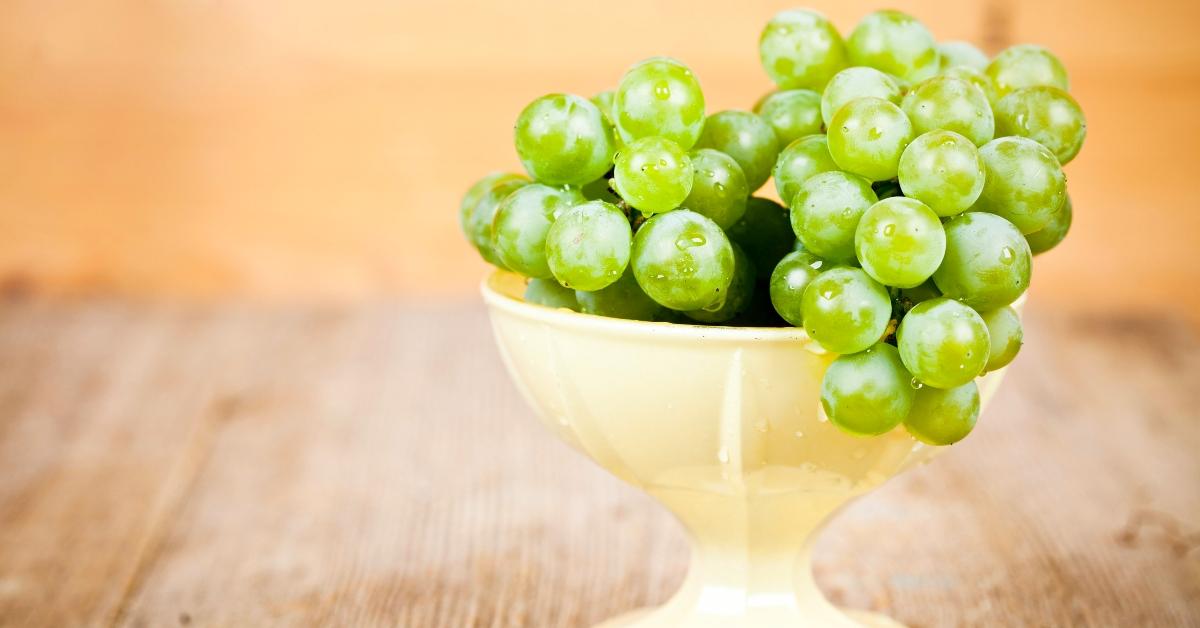
Why do people eat grapes on New Year’s?
You eat one grape for each of the 12 clock chimes at midnight. Each grape represents a month of the coming year. People treat it as a quick ritual of hope — one month, one bite, one wish. The rules rarely change. You start on the first chime, keep pace with the clock, and finish all 12 grapes before the minute flips. Miss a beat, and folklore says you risk bad luck in the months ahead.
Anthropologist Michael A. Di Giovine, who studies food heritage and holiday traditions, told Vogue that many people trace the custom back to the late 1890s or early 1900s. At the time, grape growers faced a surplus and needed a way to move product.
“This is really a Spanish tradition,” Giovine said. “Many say it originated only in the late 1890s/early 1900s to use up a surplus of grapes. There’s also some evidence in late-19th-century newspapers that high-class people would eat these grapes on New Year’s for lunch. But most Spaniards would say it was in 1909, when merchants from Alicante and Murcia handed out grapes at the Puerta del Sol in Madrid to encourage and create this tradition.”
One origin story centers on grape growers and merchants in regions like Alicante and Murcia pushing excess grapes during an abundant harvest. What started as a practical sales solution eventually turned into a nationwide superstition tied to luck and renewal.
The “under the table” version, however, does not come from Spain’s original tradition. Dr. Daniel Compora, a culture professor at the University of Toledo, told Vogue he hadn’t heard of it until recently, when social media started combining the tradition with love rituals.
Other cultures have similar New Year’s traditions.
Grapes aren’t the only way people try to secure a fresh start in the New Year. According to Time, Scotland’s Hogmanay celebrations include a tradition called “first footing.” The first person to enter your home after midnight sets the luck for the year. Traditionally, that person arrives with symbolic gifts like coal, shortbread, or whisky. In Japan, Buddhist temples ring bells 108 times on New Year’s Eve. The ritual represents cleansing people of earthly desires and emotional burdens before the year begins.
Meanwhile, Italy welcomes the new year with food and color. The country’s national tourism website explains that lentils symbolize wealth and prosperity. Ancient Romans even gifted lentils with the hope they would turn into coins. Italians also associate good luck with wearing red on New Year’s Eve, a custom rooted in ancient Roman beliefs and later reinforced by red underwear traditions meant to ward off bad fortune.