
Why So Many MLK Photos Are in Black and White — And It’s Not What You Think
Color photography existed in MLK’s era — so why do his most famous images look frozen in black and white?
Published Jan. 19 2026, 11:37 a.m. ET

Social media lights up every January with black-and-white images of Dr. Martin Luther King Jr. as people honor the civil rights leader. However, it can feel like the entire movement lived in another century, frozen in grayscale. But the real reason those photos look that way is much less mysterious.
Color photography existed long before the 1960s. The issue was never whether color was possible. The issue was whether it made sense for daily journalism. Even when photographers shot in color, newspapers often printed the images in black and white.
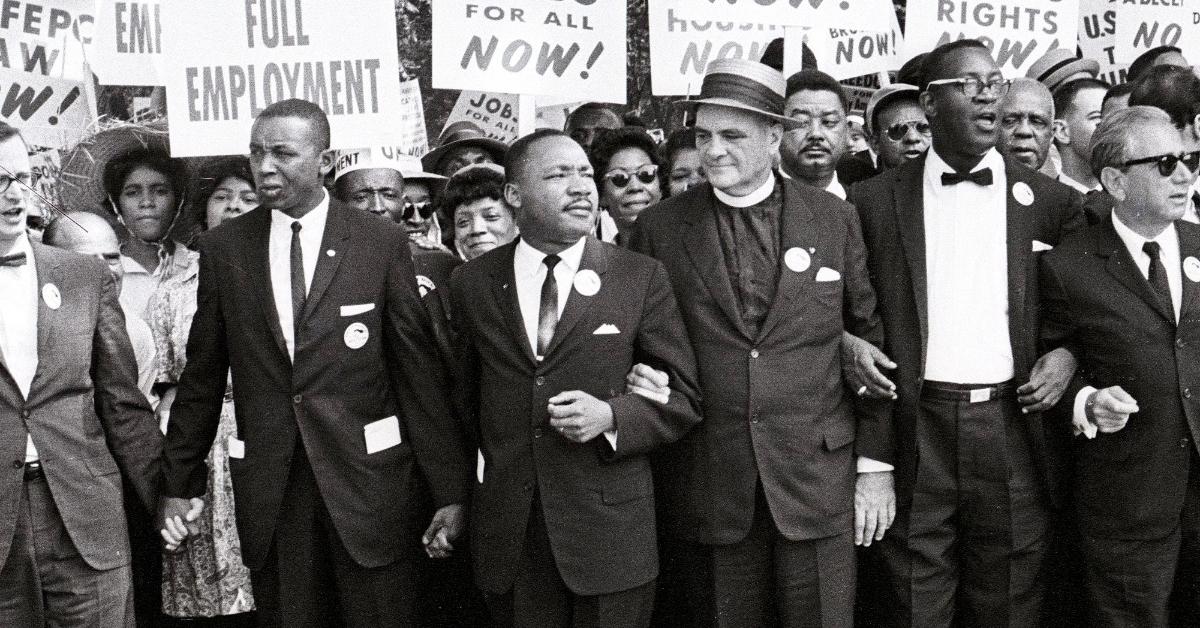
Why are most MLK photos in black and white?
Color photography existed during the civil rights movement, but it wasn’t cheap. Media historian Steve Harp told The DePaulia that most newspapers simply could not afford to print in color. “Color was just not as prevalent as a medium at that time,” he said.
Under tight deadlines, editors and photographers chose whatever moved fastest. News photography involved more than snapping a picture. It meant developing film, printing photos, and distributing them, often within hours.
“Black-and-white photography was the standard — it was faster, easier and cheaper for both publications and photojournalists eager to get their work out,” Steve said. “If photographers wanted their photos to be published or seen by the public, they had to shoot in black and white.”
Additionally, a huge share of the most famous MLK images spread through wire services like the Associated Press, and in the wirephoto era, speed was everything. TIME’s history of AP Wirephoto explains that early transmissions could take 10 to 17 minutes per photo, depending on print size. Color transmission existed by 1939, but it slowed everything down. “Color transmissions… took three times as long as black and white due to color separation,” the publication reported. Color required more time, more labor, and more technical work — three things newsrooms never had enough of.
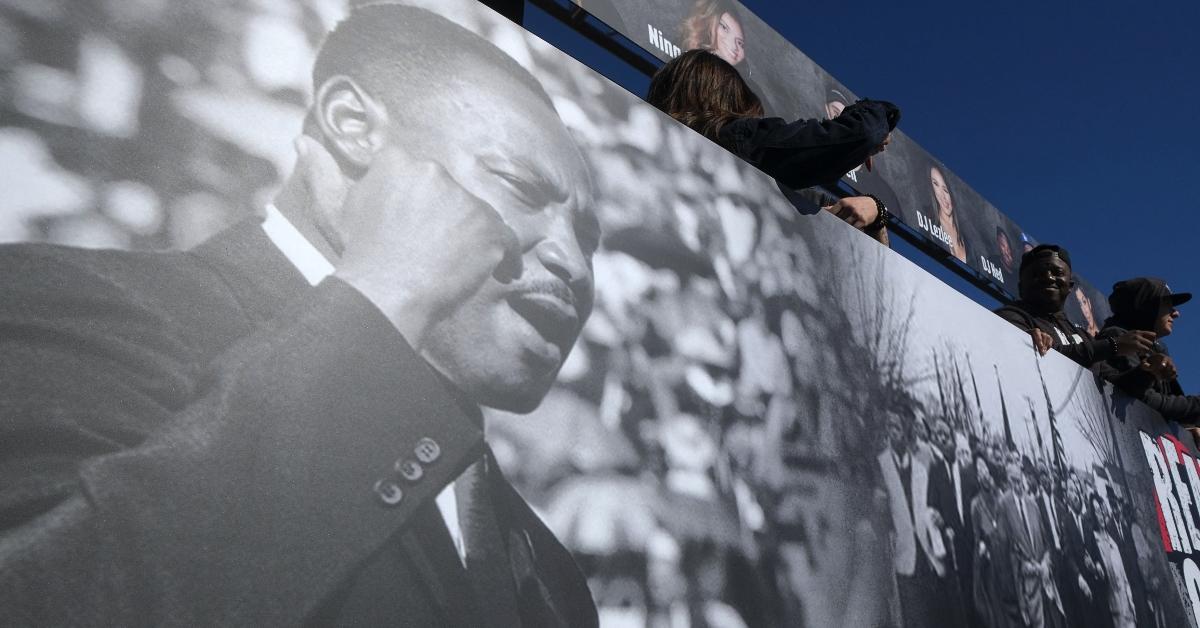
When did color printing become readily available?
Color printing did not arrive overnight. It existed early, but everyday newspapers could not rely on it until technology made it cheaper and easier. According to a 1986 report by the Los Angeles Times, U.S. newspapers used color “sporadically as far back as 1891,” but with few exceptions, “color was neither common nor of good quality in newspapers” until newer presses, computerized scanners, and other advances changed the game.
Meanwhile, magazines had more room to do color well. According to Printing History, National Geographic printed millions of copies using four-color process letterpress “up until 1978,” which shows how long color printing existed.
However, historians and visual-culture experts say black-and-white images carry a certain weight. Steve explains that many people read black-and-white as more authentic. "Black-and-white photographs tend to be this kind of signifier of a certain kind of documentary photography… black and white seems to suggest being kind of more truthful,” Steve stated.
But others argue we lose something when we only see the era in grayscale. “Color gives us a fuller spectrum and a more complex way of seeing things,” said English professor Marcy Dinius.