
Pablo Escobar’s “Cocaine Hippos” Have Attacked Locals in Colombia — Why Did He Have Them?
As of 2026, 200 of the drug kingpin's "pets" live in the Magdalena River.

Published May 5 2026, 1:21 p.m. ET

Hippopotamuses are some of the nastiest creatures on the planet. The intensely territorial creatures purportedly hate anything and everything that comes into their waters. And some estimates claim that the massive, water-dwelling mammals kill anywhere from 500-3,000 humans annually.
But is that why infamous drug trafficker Pablo Escobar had hippos on his private estate? And if not, then why did he have them?
Why did Pablo Escobar have hippos?
To understand just how much money Pablo Escobar was routinely making: the Narcos kingpin was purportedly spending $2,500 a month alone on rubber bands, and this is 1970s-1990s pricing.
With that amount of money, you're going to find some pretty dumb stuff to spend your cash on.
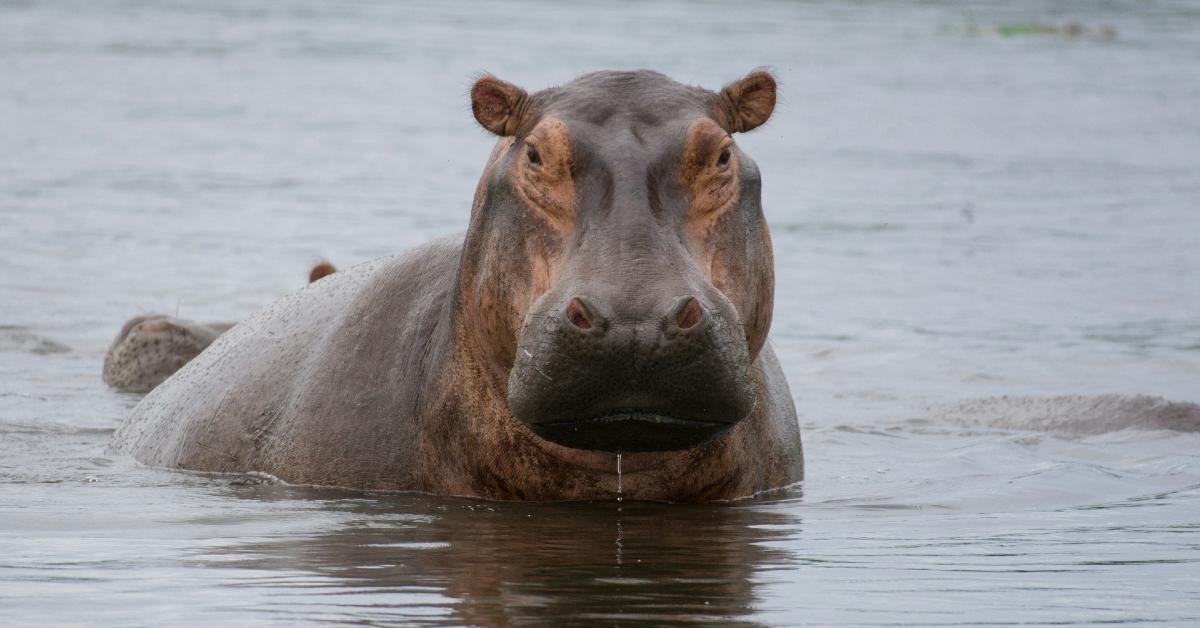
Prior to bombing Avianca Flight 203, which prompted US involvement with Colombian law enforcement officials, which led to Escobar's eventual death, the drug lord engaged in profligate spending. This included creating his own personal zoo.
Part of his collection of caged animals included four African hippos.
NPR reported in 2023 that some of the animals escaped captivity and have been breeding in the wilderness, wreaking ecological havoc on native species. This prompted conversations about deporting the invasive animals, which were taking up real estate from other creatures and occasionally attacking humans who were unfortunate enough to come across them.
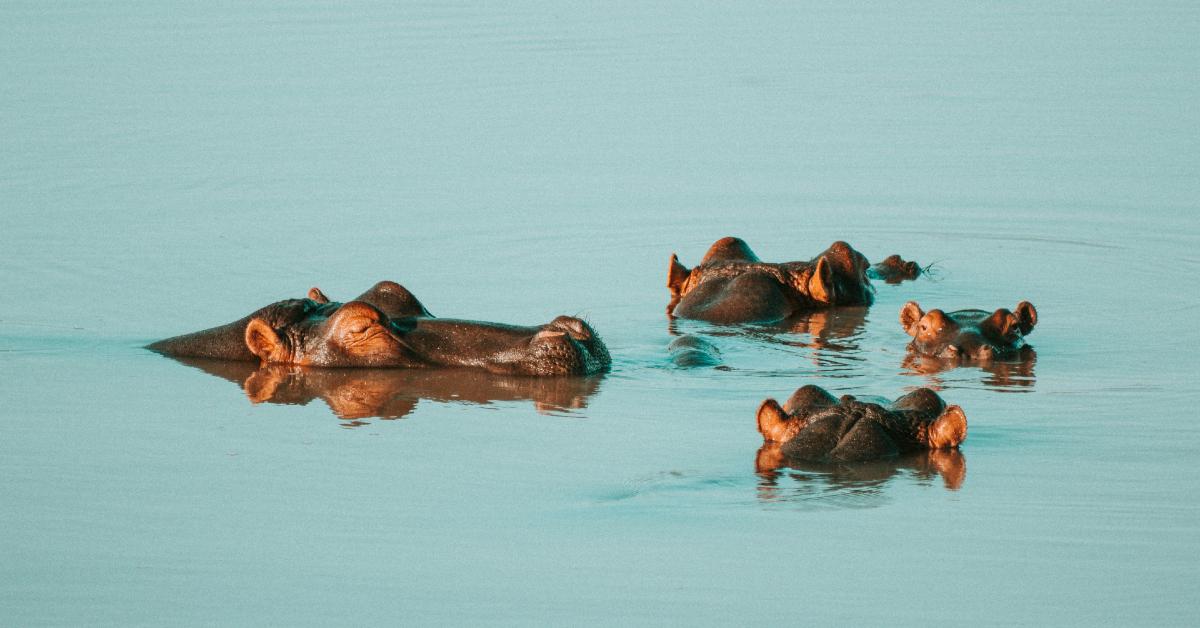
The hippos Escobar imported didn't take long to procreate: during the time of NPR's article, there were reportedly 140 "cocaine hippos" in Northwest Colombia. The outlet interviewed a man, Alvaro Molina, who spoke of a close encounter with a "water pig" that accosted him when he was out fishing.
After Escobar was killed in 1993, many of the animals in his zoo's private collection escaped.
The hippos headed towards the Magdalena River, where they are said to inhabit a 120-mile stretch of land.
The creatures can grow up to 9,000 pounds, and Colombia's minister of environment, Carlos Correa, officially labeled them as an invasive species. Escobar's hippos have "displace[d] manatees, otters, and capybaras," NPR wrote.
Various approaches to preventing the hippo population from growing have been postulated by Colombian officials. Hunting them down was initially tested, but animal rights activists flipped out after someone shot and killed a hippo.
This outrage led to a judge banning the killing of Colombia's "cocaine hippos."
Another plan took form: ending their ability to procreate. Around a dozen hippos were castrated by veterinarians; however, it's an extremely labor-intensive process. The hippos must first be located, trapped, sedated, and then transported to a facility for the surgery to take place.
Then, a team of six medics over the span of five hours must work in tandem to effectively castrate the creatures. This prompted another solution: airlifting the massive creatures of the country to animal sanctuaries.
But that, too, is a costly endeavor. Specialized cages to hold the animals must be created, along with dedicated transportation solutions.
Flying the animals out, in total, is speculated to cost around $1 million per trip. At the time of writing the article, it was apparent that time was of the essence. Hippos have been seen regularly walking around towns, and while the creatures haven't killed anyone, they've injured people.
A farmer was tossed in the air and thrown about by one of the animals, culminating in a broken leg, collarbone, and ribs. There have been at least two hippo-related maulings in the region.
The animals are still residing in the country as of April 2026, with the population now at 200.