
Why "Weekend Warriors" are Adopting Pro-Level Safety Habits
People who play twice a week are asking the same questions about load management that professional coaches ask about their squads.

Published May 8 2026, 12:09 p.m. ET

Somewhere along the way, the weekend athlete stopped being someone who just showed up and hoped for the best. Foam rollers appear in car boots. Structured warm-ups happen before five-a-side. People who play twice a week are asking the same questions about load management that professional coaches ask about their squads.
Part of this is generational. A growing number of recreational athletes are in their 40s, 50s, and 60s, and they are playing with a calculation that younger athletes rarely make. They know that one bad fall on hard turf, one knee that buckles wrong, one shoulder that gets no protection on impact can end things. Not the season. The whole thing.
That calculation is producing real changes in how people prepare, equip themselves, and think about what it means to compete well. Read on to find out exactly why weekend warriors are finally playing it smart.
Gear, Tech, and the Democratization of Safety Tools
Not long ago, professional-grade equipment was simply out of reach for recreational athletes. Club environments controlled access. Individual players worked with whatever the general market offered.
That gap has closed faster than most expected. The following now sit within reach of any athlete training on a budget:
Wearable load monitors
Devices that track training stress and flag recovery deficits in real time. Professional clubs used them to manage squad availability across a full season. Recreational athletes can now run the same data on a consumer wristband.
Impact-absorbing personal protective equipment
Padded gear built specifically for hard artificial surfaces. These surfaces produce higher rates of musculoskeletal disorders and impact bruising than natural grass. Purpose-built personal protective equipment addresses that directly, at price points the amateur market can absorb.
Protective gear for contact positions
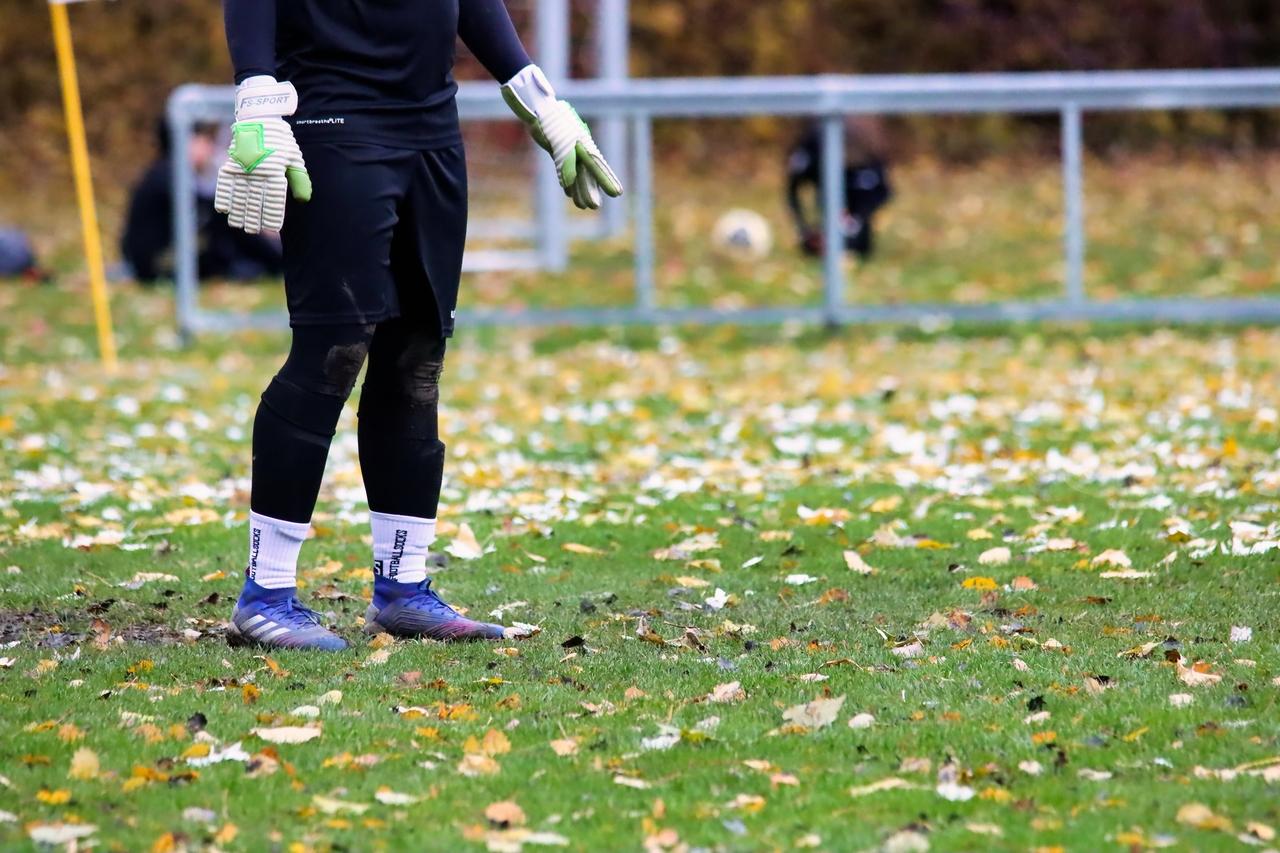
Recreational goalkeepers can now access purpose-built goalie equipment that meets professional impact protection standards. The padded shorts and body armor in these ranges are designed for exactly the surfaces most amateur goalkeepers play on.
The Shift in Amateur Mindset
The equipment exists. The information is out there. What took longer to change was the attitude that made athletes willing to use either.
For a long time, recreational sport ran on a culture that treated discomfort as the point. Playing through pain was proof of commitment. Wearing protective gear signaled that you were not serious enough to take the hit. That version of safety culture had no room for prevention.
The following reflects how that attitude has shifted among recreational athletes today:
The "no pain, no gain" exit
Safety awareness has replaced the idea that discomfort confirms effort. Athletes now distinguish between productive training load and avoidable physical damage. That distinction is what safety training at the professional level has always been built on.
Protection as competitive identity
A recreational goalkeeper choosing goalie gloves with reinforced finger protection is no longer making a soft call. Finger injuries end seasons for amateur players with no medical support and no paid recovery time. Choosing protective gear that prevents that outcome is understood as the smarter competitive decision.
Mental health and the long game
The active aging cohort has brought a longer-term calculation into amateur sport. Recreational athletes in their 40s and 50s are weighing the mental health cost of losing physical activity entirely. One injury that stops training stops far more than just sport. Safety practices are now tied directly to that wider picture.
The old framing asked how much you could endure. The new one asks how long you can stay available. That is not a softening of competitive drive. It's a more accurate definition of what winning the long game actually looks like.
The Risk Reality Check
Recreational athletes get hurt more often than most people assume. Research tracking amateur sport participation has found injury rates that rival those of competitive professionals, and in some categories exceed them. The difference is not intensity. It’s the absence of the support structures that keep professional athletes from compounding one problem into several.
Beyond raw numbers, the nature of the injuries matters. Musculoskeletal disorders account for a significant proportion of what recreational athletes present with, from overuse conditions in the knee and shoulder to acute joint trauma from unprotected falls. These are not freak accidents. They’re predictable outcomes of training without periodized load management, structured recovery, or basic hazard recognition built into the session.
What made this harder to ignore was the arrival of data. Fitness wearables and training apps began generating injury and recovery information across activity types. Runners, cyclists, and those doing yoga or playing contact sport on weekends all produced usable data. Risk awareness was no longer dependent on anecdote or the occasional sports medicine visit. Patterns became visible.
The Trickle-down Effect from Pro Sports
Professional sports organizations have spent decades building safety protocols that most recreational athletes never had access to. Warm-up sequencing, load management frameworks, and structured recovery routines were developed inside club environments and stayed there. The physiotherapists, performance coaches, and medical staff who applied them were not publishing guides for Sunday league players.
That containment has broken down over the past decade. Safety training content that once lived in professional development courses for elite coaches now circulates through widely accessible certification programs, YouTube channels run by sports scientists, and peer-reviewed research written for general audiences. Safety awareness is available to anyone willing to look for it.
Final Thoughts
The weekend warrior who shows up with a structured warm-up, a recovery plan, and impact-rated kit isn't performing professionalism. The habits are practical responses to a well-understood problem. For recreational athletes, the question is no longer whether pro-level safety habits are relevant to their sport. It's how quickly those habits become routine before the one injury that changes everything.