
The SAVE Act Could Change the Way Americans Vote, but Is It Set to Pass?
The practical effect of the law would be to shrink the pool of voters who are eligible to vote in America.

Published March 18 2026, 9:21 a.m. ET

Ahead of a midterm election cycle that some Republicans fear, many in the party are hoping to pass the SAVE America Act, a piece of legislation that would fundamentally change how voting works in America. On March 17, the Senate began debate on the legislation, which led many to wonder whether it has passed.
President Trump has been pressuring members of Congress to pass the bill, but that doesn't mean its passage is assured. Here's what we know about the state of the bill.
Did the SAVE Act pass?
The SAVE Act has not passed the Senate yet, and Senator Majority Leader John Thune has been clear that he doesn't think Republicans have the votes to pass the bill. This comes after President Trump said that he wouldn't sign any other legislation until the bill reaches his desk. The SAVE Act requires 60 votes to overcome a filibuster in the Senate, and Republicans only have a very narrow majority in the Senate.
The Senate did pass a vote to allow debate on the measure 51 to 48, with Senators Lisa Murkowski Thom Tillis voting with every Democrat to oppose that debate. Thune has not guaranteed the bill's passage, but he has said that the bill will receive a "full and robust debate" on the Senate floor. Thune has not restricted the length of the debate at all, which means that senators can discuss the legislation for as long as they see fit.
That debate began on March 17, with senators speaking about the bill for several hours before the Senate adjourned for the evening. Reports suggest that, because Republicans have opted not to use the talking filibuster to gum up the Senate for weeks, and because they aren't willing to change the Senate rules, the bill has a very low likelihood of passage. The ample debate time is designed to appease Republicans who want to see the bill pass, though, including the president.
Does the SAVE Act require a passport to vote?
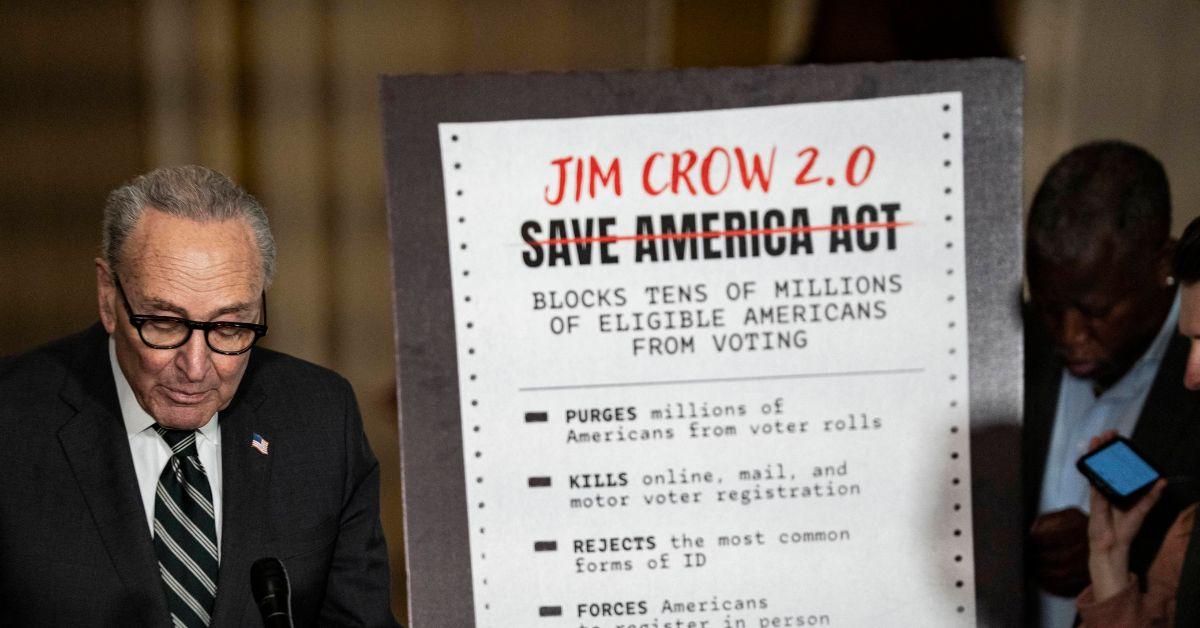
Although it appears that the SAVE Act has a very low likelihood of passage at this point, the law would change how Americans vote if it did make it through Congress. The law is designed to make it so that you'll need a passport, birth certificate, Enhanced Driver's License, or other government-issued photo ID that proves you're a U.S. citizen in order to cast a vote.
Although some states already require some form of ID, most states do not, in part because noncitizen voting is exceedingly rare and has never meaningfully swung an election.
What is true, though, is that 21 million Americans don't have the necessary ID that they would need to cast a ballot, and it can be both time-consuming and expensive to acquire those IDs.
The practical effect of the law, then, would be to shrink the pool of voters who are even eligible to vote in America. Voting rights are part of our Constitution, which is part of the reason this bill seems unlikely to become law.