
How Much Do Astronauts Get Paid? NASA Salary, GS Pay, and Training Explained
Space travel sounds glamorous — until you see how astronaut pay actually works under federal salary rules.
Published Jan. 9 2026, 12:21 p.m. ET

People love to joke that astronauts get paid in “space money,” but the truth is way more earthbound. NASA astronauts are federal employees, and their pay looks a lot like any other government salary — just attached to one of the most intense jobs on the planet.
This week, that reality got extra real as NASA announced it will bring its U.S.-Japanese-Russian crew home earlier than planned because of a medical concern affecting one crew member — a rare move in the International Space Station’s 25-year run, according to the Associated Press.
The news sparked curiosity about what astronauts actually earn to work in space, and the answer may surprise some people.
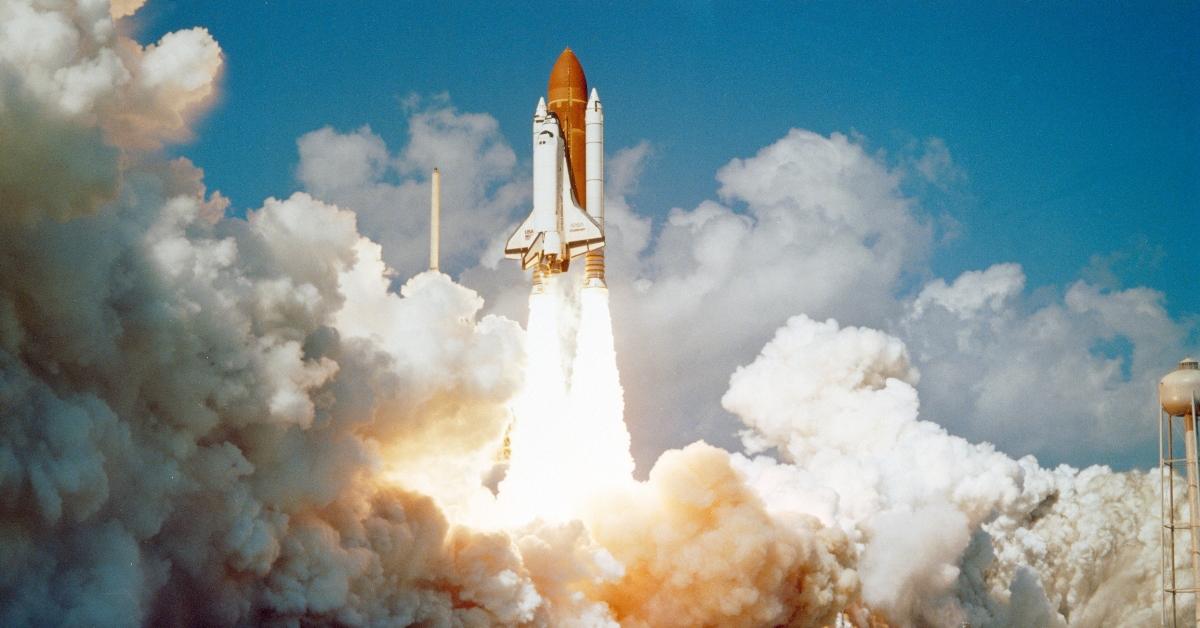
How much do astronauts get paid?
NASA is actually pretty straightforward about astronaut pay. In its astronaut selection FAQ, the agency lists an annual salary of $152,258, noting that the figure reflects 2024 pay schedules and serves as an approximation that can change as federal pay tables are updated. That number gives a general sense of what astronauts make, but the real breakdown is a little more nuanced.
Astronauts are paid under the federal General Schedule (GS) system, which means salaries vary based on grade, step, and locality pay — basically where you’re based. Since astronauts train and work primarily out of Johnson Space Center in Houston, the Houston locality pay is the most realistic reference point.
According to the Office of Personnel Management’s 2026 pay tables for the Houston–The Woodlands area, GS-12 salaries range from $103,225 at Step 1 to $134,195 at Step 10. GS-13 salaries range from $122,749 at Step 1 to $159,575 at Step 10.
Without locality pay, base GS salaries are lower. OPM lists GS-12 pay ranging from $76,463 to $99,404 and GS-13 pay from $90,925 to $118,204 before regional adjustments.
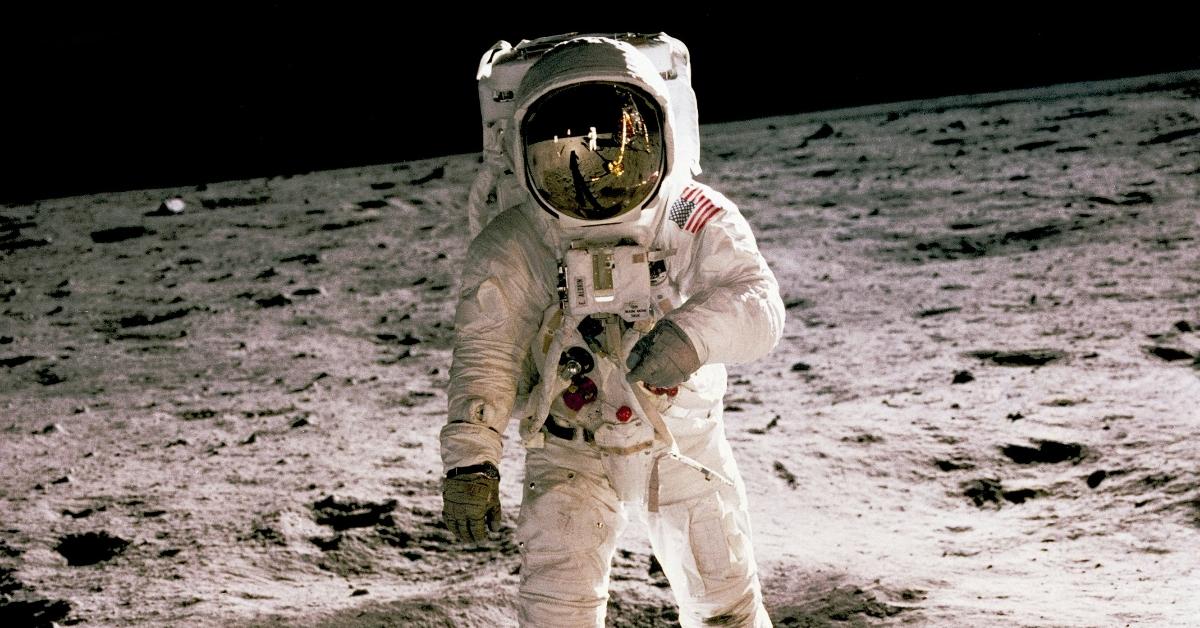
What do astronauts actually do in space?
Astronauts don’t spend their days floating around snapping pretty Earth photos. On the International Space Station, NASA says astronauts “work as scientists” inside a lab orbiting roughly 240 miles above Earth.
They also do a ton of operational work — maintaining systems, operating robotic arms, and prepping for spacewalks. And before they ever fly, NASA sends astronaut candidates through about two years of training at Johnson Space Center, where they learn core skills like spacewalking, operating the space station, flying T-38 jets, and controlling a robotic arm.
NASA doesn’t hire astronauts every year. Instead, the agency opens applications on an “as needed” basis, and in recent years, it has selected new astronaut candidates about every four years. To even be considered, applicants must meet a strict baseline checklist set by NASA.
That includes U.S. citizenship, a master’s degree — or an equivalent combination of education and experience — in a STEM field such as engineering, biological science, physical science, computer science, or mathematics, and at least three years of related professional experience.
Pilot applicants can qualify with 1,000 hours of Pilot-in-Command time, including at least 850 hours in high-performance jets. Candidates must also pass NASA’s long-duration astronaut physical. Once applications are submitted, NASA’s selection board reviews them, invites top candidates to interviews at Johnson Space Center in Houston, and then chooses a new astronaut class.