
Here's What the Hammer Means in the Sport of Curling
Curling has become a fan favorite at the Olympic Games.
Published Feb. 6 2026, 3:23 p.m. ET
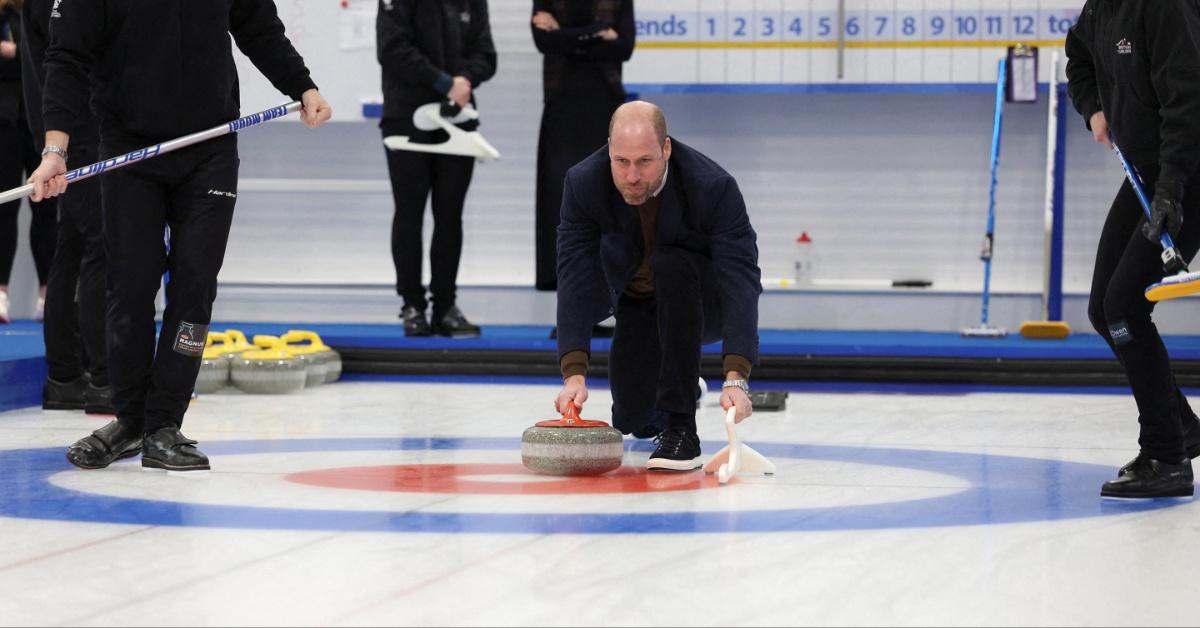
The sport of curling has become very popular at the Milano Cortina 2026 Winter Olympic Games in Italy, and fans of the sport want to learn more about it. Many folks want to know what the hammer means in curling, a sport where players slide stones on ice toward a target area that is segmented into four concentric circles. Two teams take turns sliding the stones made from granite towards the target, known as the House, by using brooms.
The popular sport is played at the Winter Olympics and the Paralympics. The sport also has categories for Women’s curling, Men’s curling, Mixed Doubles, and mixed wheelchair curling teams, per World Curling. So, what does the hammer mean in curling?
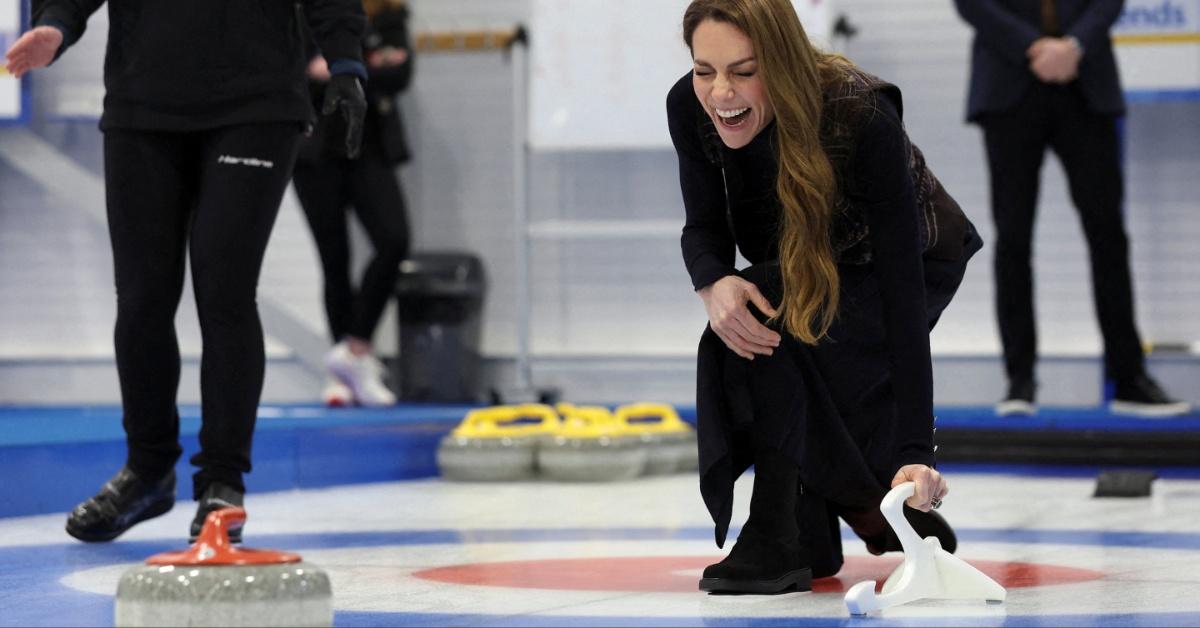
What does the hammer mean in curling?
In curling, the hammer refers to the last stone thrown at the end, which is an advantage referred to as the "last stone advantage" or "last stone draw." The team with the hammer can then try to score multiple points with the final shot in an attempt to clear their opponents' stones or place their own stones.
According to the Olympics, curling is played on a sheet of ice that is approximately 45 meters long and up to 5 meters wide. The players use brooms to sweep the ice in front of the stone as it travels. The brooms correct how a stone curves on the ice as it moves, and they also affect the trajectory of a stone, making it to the House. Sweeping in front of the stone reduces friction because it quickly heats and melts the stone on the ice while leaving a film of water.
The stone that makes it closest to the center of the target, which is known as the Button, plus an additional point for each stone that is closer to the button than their opponents' best stone placement, will score and win what is known as an End. There are 10 Ends in the men's and women's curling, and there are eight in mixed doubles curling.
A process known as Last Stone Draw is used to pick which team gets the Hammer. Before the competition, two players from each team send two stones to the House, and the team with the shortest average distance to the Button wins the Hammer in the first end.
The hammer’s possession then alternates until the match's end, and teams that lose an End get the Hammer in the next End. For men's and women's events, if there is a scoreless End, the team that had the Hammer keeps it for the next End.
Things change up in mixed doubles curling, and the opposite happens. A scoreless End forces the Hammer to be exchanged for the opposing double, resulting in those matches having higher scores.
Curling began as a sport in Scotland during the16th century, and the term hammering is thought to have come from the phrase "hammering home a score," which was when a hammer was used to keep score on scoreboards, noting the team had the last stone.