
What Happened to Tim Picton? The Death That Reignited Debate in Australia
A young man’s death weeks after a nightclub assault has renewed focus on one-punch laws across Australia.
Published Jan. 21 2026, 11:37 a.m. ET

When news broke that a young man had died weeks after being assaulted outside a nightclub, the story quickly moved beyond a single incident. It became about loss, accountability, and the ripple effects of violence that can follow one moment.
For many Australians, one name, Tim, soon came to represent all of that.
As details emerged, people began asking not only what happened, but who he was. Understanding what happened to Tim Picton also means understanding the life he lived, the people who loved him, and why his death struck such a deep chord across the country.
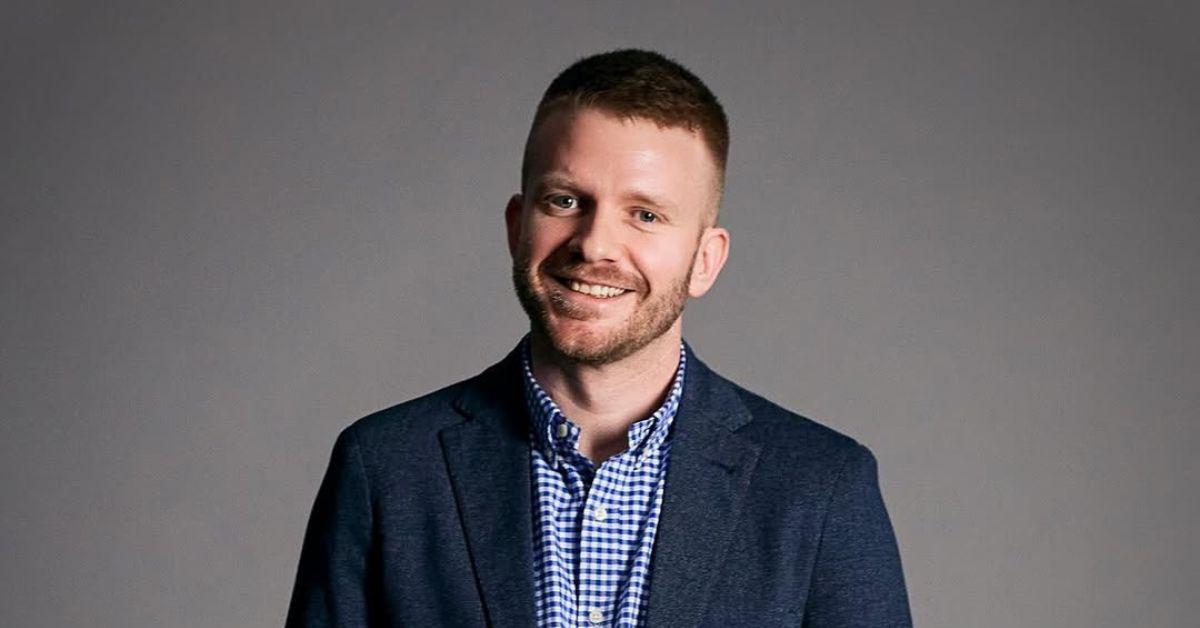
What happened to Tim Picton?
According to 9News, Tim was struck by a stranger outside a Sydney nightclub on Dec. 27, 2025. He fell and hit his head on the pavement. Emergency services responded, and he was taken to the hospital with serious head injuries.
The incident was treated as a one-punch assault, a category of violence that has long been a focus of public safety laws in Australia.
According to ABC News, his death has reignited national discussion around Australia’s one-punch laws, which impose tougher penalties for fatal assaults involving a single blow. These laws vary by state, but his case has been cited as a reminder of how quickly such incidents can become deadly.
Legal experts noted that the laws aim to deter violence fueled by alcohol and nightlife environments.
Tim was put into an induced coma and remained in the hospital for several weeks following the assault. His condition was critical as family and friends waited for signs of improvement.
Despite medical care, he did not recover. On Jan. 20, 2026, three weeks after the initial incident, Tim died from his injuries.
Who was Tim was beyond the headlines?
Tim's family confirmed his death through a statement shared on Instagram. In their message, they expressed profound grief and described him as deeply loved. The family asked for privacy as they mourn and deal with this loss.
Tim worked as a staffer for the Australian Labor Party, contributing behind the scenes in a demanding political environment. Colleagues described him as kind, thoughtful, and deeply committed to the work he believed in. He was not a public figure, but someone whose impact was felt through relationships rather than recognition.
While policy debates continue, Tim’s family and friends have emphasized the human cost behind the headlines. His death has been referenced in broader conversations about safety, responsibility, and prevention, but those closest to him continue to focus on remembering the person he was, rather than the circumstances that took his life.
Tim’s story does not end with legal terminology or policy debates. It ends with a family mourning, a community grieving a friend, and a country reflecting on how easily a life can be lost. Remembering who he was gives weight to what happened and ensures that he is not reduced to a statistic, but remembered as a life that mattered.