
Concern Over PBS's Future Rise Following the Shut Down of the Corporation for Public Broadcasting
It will be a beautiful day in the neighborhood again.

Published Jan. 6 2026, 10:26 a.m. ET

We have bad news for viewers like you. The Corporation for Public Broadcasting (CPB) is officially shutting down after Congress voted to end its federal funding back in July 2025. Programs funded by the CPB have been part of our lives since it was established by Congress through the Public Broadcasting Act of 1967.
The CPB "supported programs and services that informed, educated, and enriched the public." More than 70 percent of its funding went to over 1,500 locally owned public radio and television stations across the country. It was also a conduit for federal funds to NPR and PBS. In January 2026, CPB's board voted to dissolve the organization, per The New York Times. What will happen to PBS? Here's what we know.
What will happen to PBS following the end of the Corporation for Public Broadcasting?
Following the announcement that federal funding for the CPB would end, PBS issued a press release. "These cuts will significantly impact all of our stations, but will be especially devastating to smaller stations and those serving large rural areas," said PBS President and CEO Paula Kerger. "Many of our stations, which provide access to free, unique local programming and emergency alerts, will now be forced to make hard decisions in the weeks and months ahead."
Paula went on to say that PBS is determined to "keep fighting to preserve the essential services" they provide to the American public. As of October 2025, CPB said PBS eliminated close to 100 positions over the last several months. Local markets have also been impacted. New Jersey PBS will shut down in 2026. Detroit PBS, Rhode Island PBS, and PBS North Carolina offered buyout options to staff. There have been layoffs at Twin Cities PBS and WPBS. Other PBS stations face financial challenges.
The CPB hopes to return someday.
In a press release about its closure, Patricia Harrison, President and CEO of CPB, said, "For more than half a century, CPB existed to ensure that all Americans — regardless of geography, income, or background — had access to trusted news, educational programming, and local storytelling." She explained that their final act of integrity would be to dissolve the organization to prevent future misuse.
Despite this devastating news, the CPB board members remain hopeful about the future of the organization. "What has happened to public media is devastating,” said Ruby Calvert, Chair of CPB’s Board of Directors. "Yet, even in this moment, I am convinced that public media will survive, and that a new Congress will address public media’s role in our country because it is critical to our children's education, our history, culture, and democracy to do so."
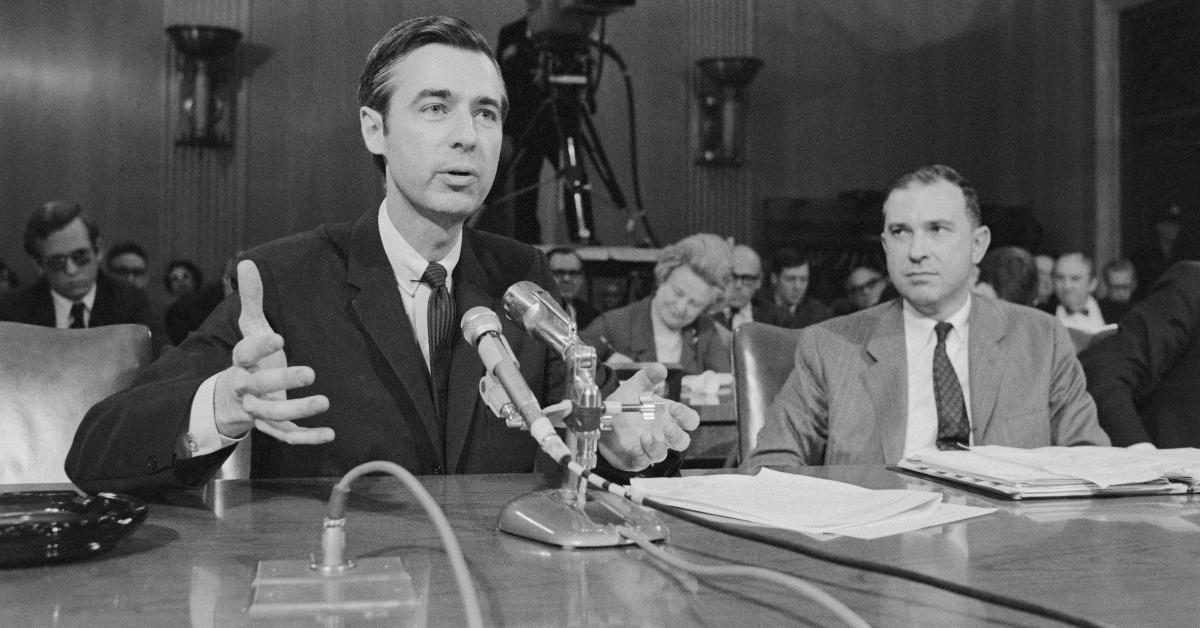
Reactions online to the end of the CPB have been mixed. Conservatives have long accused the organization of being too liberal and, as such, are cheering its demise. Those on the left have long supported the free, educational programming made available to everyone in the United States. If it weren't for PBS, we would have never met Mister Rogers. His testimony in front of Congress advocating for federal funding is the stuff of legends and should be revisited.