
Why Did Alexa’s Voice Change? Users Say the New Voice Feels “Obnoxious”
“I don’t need an AI friend. I just want Alexa to answer and stop talking.”
Published Jan. 14 2026, 11:40 a.m. ET

For millions of people, Amazon's Alexa is part of the daily routine. From alarms and weather updates to grocery lists and smart home commands, the voice assistant has become a familiar presence in homes around the world.
That is why so many users immediately noticed when something about Alexa suddenly felt off in late 2025 to early 2026.
So why did Alexa’s voice change? No, you are not imagining things.
The change is real, unexpected for many users, and tied to a behind-the-scenes update that some say crossed a line between helpful and intrusive. Here's what we know.
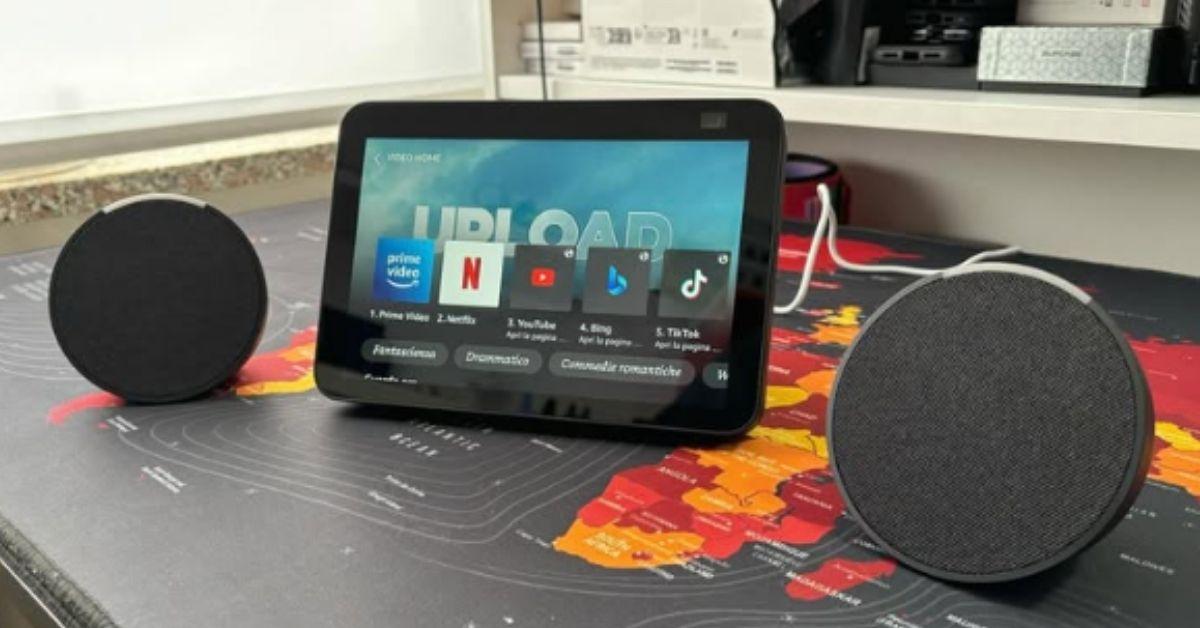
Why did Alexa’s voice change when users did not touch their settings?
The change is connected to Amazon’s rollout of Alexa+, a new AI-powered upgrade designed to make Alexa more conversational and context-aware. According to The Verge, some Prime members received the update automatically, without a clear opt-in prompt.
Alexa+ uses more advanced language models, which affect not only how Alexa responds but how the voice sounds overall. That includes tone, pacing, and emotional inflection, making the assistant feel noticeably different to longtime users.
For many, the surprise was not the technology itself. It was that the change happened without warning or permission.
On Reddit, reactions ranged from startled to outright annoyed. One user wrote, “I had the piss scared out of me when Alexa responded,” adding that the voice sounded completely unfamiliar.
Another commenter described the update as “so obnoxious,” saying it rolled out across all devices at once.
Others said the problem was not just the sound, but the personality shift.
“I don’t need an AI friend,” one user wrote. “I just want Alexa to answer and stop talking.” That sentiment echoed across multiple threads.
Some users describe Alexa as suddenly sounding like a “teenage girl.” For certain households, that unexpected change felt unsettling rather than helpful.
The backlash is about control, not just sound.
The frustration largely centers on consent. Many users rely on Alexa for accessibility, routines, and consistency. When a familiar voice changes without warning, it can disrupt trust in a device meant to feel stable.
Some users reported reverting the voice, only to have the change return later.
Alexa+ is supposed to be a forward-looking AI upgrade. Still, the response shows that innovation without clear communication is invasive and unwelcome.
Can it be fixed? Maybe.
According to The Verge, users can exit Alexa+ by saying, “Alexa, exit Alexa Plus,” or by adjusting voice settings manually in the Alexa app.
However, users also report an increase ads for Alexa+ after they turned off the updated Alexa. One user said they got “flooded with ads” until they turned it back on.
So why did Alexa’s voice change?
It was not a glitch or speaker issue, but a deliberate AI upgrade rolled out with limited notice and even less permission. For some users, the new voice feels smarter.
For others, it feels intrusive. Either way, the reaction shows just how personal technology becomes once it enters daily life.