
Why the Army Increased Enlistment Age to 42 Amid Growing Iran Conflict Concerns
The Army wants older, skilled recruits as global tensions grow and draft concerns spread online.
Published March 26 2026, 12:42 p.m. ET

Amid rising tension in the Middle East, Americans are growing more worried about a full-scale war. That concern worsened after the Army updated its enlistment age, leaving some people thinking a draft could be next. However, the age change does not mean an immediate draft requirement.
In its updated enlistment regulation dated March 20, the Army raised the maximum enlistment age to 42 for non-prior service applicants and adjusted prior-service rules. But why?
Why did the Army raise enlistment age?
The previous cap sat at 35, although waivers sometimes allowed older applicants. An Army spokesperson told Stars and Stripes the change is meant to better align the service with Defense Department standards. Army recruiting officials said they are looking for more experienced recruits.
“We’re kind of looking at a more mature audience that might have experience in technical fields,” Col. Angela Chipman said, per Task and Purpose. “We need warrant officers with extreme technical capabilities, and those will come from the enlisted ranks.”
This is not the first time the Army has adjusted the age requirement. The service raised the cap to 42 in 2006 during the Iraq and Afghanistan wars. According to Stars and Stripes, the Army later moved the age back down to 35 in 2016.
The Army also changed other enlistment requirements. The new regulation says a single conviction for marijuana possession or a single conviction for possession of drug paraphernalia no longer requires a waiver. Before this, that kind of case could result in a waiver process, a waiting period, and extra review. More serious drug-related offenses still can require waivers, and the Army says it has not changed standards for felonies or major misconduct.
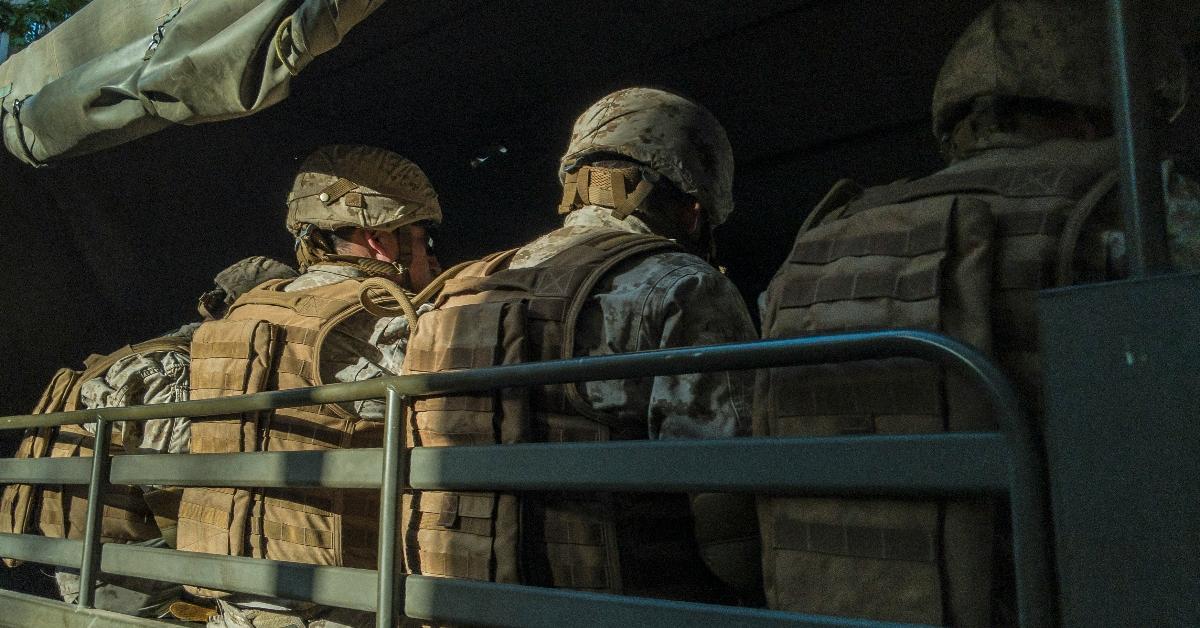
Will Americans be sent to a draft?
The ongoing war involving Iran has fueled speculation about the policy change. According to Reuters, the U.S.-Israeli war on Iran began Feb. 28 and has entered its fourth week. The U.S. has sent Tehran a proposal to end the conflict. White House press secretary Karoline Leavitt said, “Talks continue. They are productive.”
Meanwhile, the U.S. is sending thousands of additional Marines and sailors to the Middle East. However, officials have not decided to deploy troops into Iran itself.
Despite the online panic, there is no active military draft. The Selective Service System states that “there is no draft” and emphasizes that registration does not equal enlistment. Lawmakers did pass automatic Selective Service registration in the FY 2026 NDAA, but that change only affects how people register. It does not trigger conscription.
Karoline Leavitt has also suggested that a draft was not on the table at this moment. “It has been, and it will continue to be, and President Trump, wisely, does not remove options off of the table,” Karoline said, per PolitiFact. “I know a lot of politicians like to do that quickly, but the president, as commander in chief, wants to continue to assess the success of this military operation. It's not part of the current plan right now, but the president, again, wisely keeps his options on the table.”