
Why Did the U.S. Leave the WHO? Here's What Officials Cited as the Breaking Point
The withdrawal wasn’t sudden. It followed years of mounting frustration over pandemic response and global health leadership.
Published Jan. 23 2026, 11:00 a.m. ET

The World Health Organization (WHO) has been a fixture in global health for decades. Per the WHO’s official website, the U.S. was a founding member in 1948. So, it is a bit jarring to see headlines that the U.S. is formally withdrawing from the organization.
In January 2026, both the WHO and the White House confirmed the U.S. had begun the process of withdrawing from the organization. Unsurprisingly, this has a lot of people asking the same questions. What happened? Why did the U.S. leave the WHO?
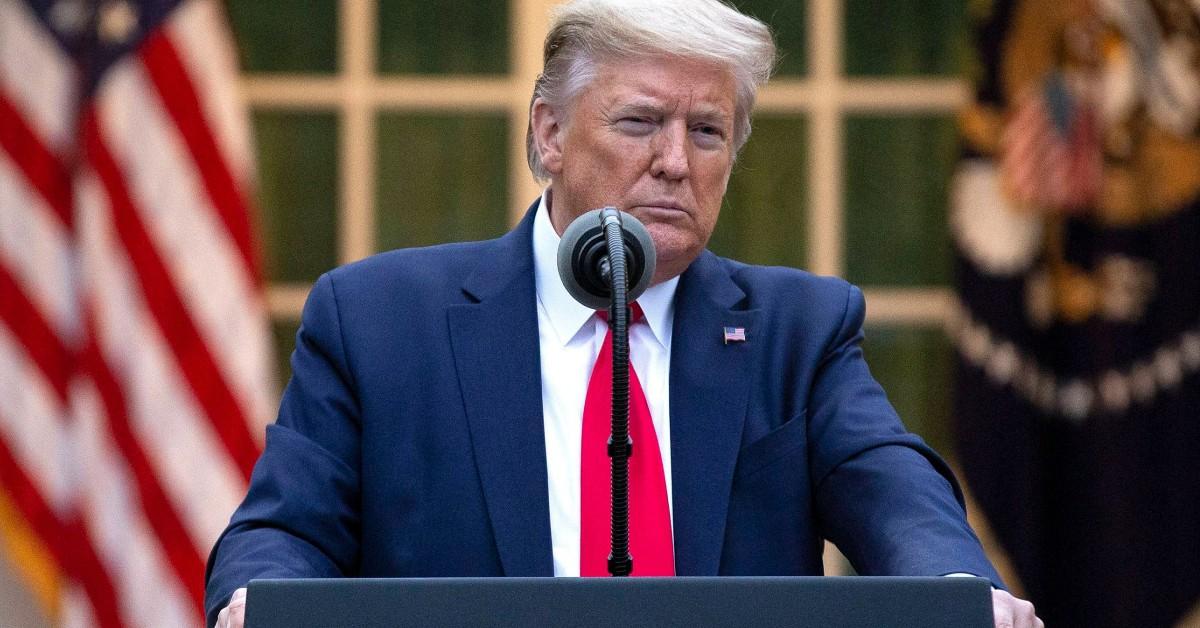
Why did the U.S. leave the WHO? The decision largely came down to trust and accountability.
Turns out, the short answer is that the decision grew out of long-running frustration over pandemic response, funding, and governance. The longer answer takes a little unpacking, because this wasn’t about a single disagreement or one breaking point.
According to Johns Hopkins University, President Donald Trump signed an executive order starting the process to withdraw the U.S. from the World Health Organization in January 2025. The order focused heavily on how the WHO handled the COVID-19 pandemic. President Trump argued that the organization failed to respond quickly and transparently when the outbreak first emerged.
The Trump administration also raised concerns about political influence within the WHO. Officials stated that the organization did not show enough independence from certain member nations. This resulted in meaningful reform being difficult. Per President Trump’s administration, the lack of accountability made continuing to be part of the organization risky for the U.S.
Money played a role, too. The executive order pointed out that the U.S. contributed a significant share of the WHO’s funding compared to other countries. The administration argued that U.S. taxpayer dollars could be better used through direct health partnerships rather than flowing through an organization it no longer trusted.
The decision didn’t happen overnight, even though it felt sudden.
Here’s the part that often gets missed. Leaving the WHO isn’t like canceling a subscription. The process requires formal notice and takes a full year to complete. That meant the U.S. didn’t immediately disappear from the organization after the executive order was signed.
During that transition period, funding was paused, and U.S. personnel working with the WHO were gradually withdrawn. By early 2026, the withdrawal became official, ending American membership and financial contributions to the organization.
Leaving the WHO has real consequences that go beyond politics.
Public health specialists, according to Johns Hopkins University, warn that withdrawing from the WHO limits access to global disease surveillance networks. These systems act like early warning radar for outbreaks, helping countries spot emerging threats before they spiral into full-scale crises.
There’s also the influence factor. The WHO helps shape international health standards, from vaccination strategies to outbreak response guidelines. Without a seat at the table, the U.S. loses some ability to steer those conversations in ways that align with domestic health priorities.
On a broader level, critics argue the move weakens international cooperation. Global health has long been a diplomatic bridge, even between countries that don’t agree on much else. Stepping away from that space sends a signal about how the U.S. views multilateral institutions overall.
In the end, the decision reflects a broader shift in how the U.S. evaluates its role in international systems. For some, it was about pushing for reform. For others, it was a risky step away from collaboration in a world where health threats are increasingly shared.