
Why Authorities Let Passengers Off the Cruise During a Hantavirus Outbreak
"This is not going to be the next pandemic." — Dr. Celine Gounder
Published May 8 2026, 12:57 p.m. ET

By now, you’ve probably heard about the hantavirus outbreak linked to a cruise ship. Hantavirus is a rare virus spread by rodents like mice and rats, and breathing in particles from their droppings or urine can cause someone to become severely ill.
While it’s rare for the virus to spread from person to person, it can happen with a particular strain known as the Andes strain, according to Celine Gounder, medical correspondent for CBS News.
The ship tied to the outbreak has been identified as the MV Hondius, a Dutch vessel that has been sailing across the Atlantic Ocean since April 1, 2026. While three people have already died from the hantavirus strain detected on the ship and others have reportedly fallen ill, according to Associated Press, several passengers were still permitted to disembark.
But why were they allowed off the ship? We now know.
Why did they let the people off the cruise ship with the hantavirus outbreak?
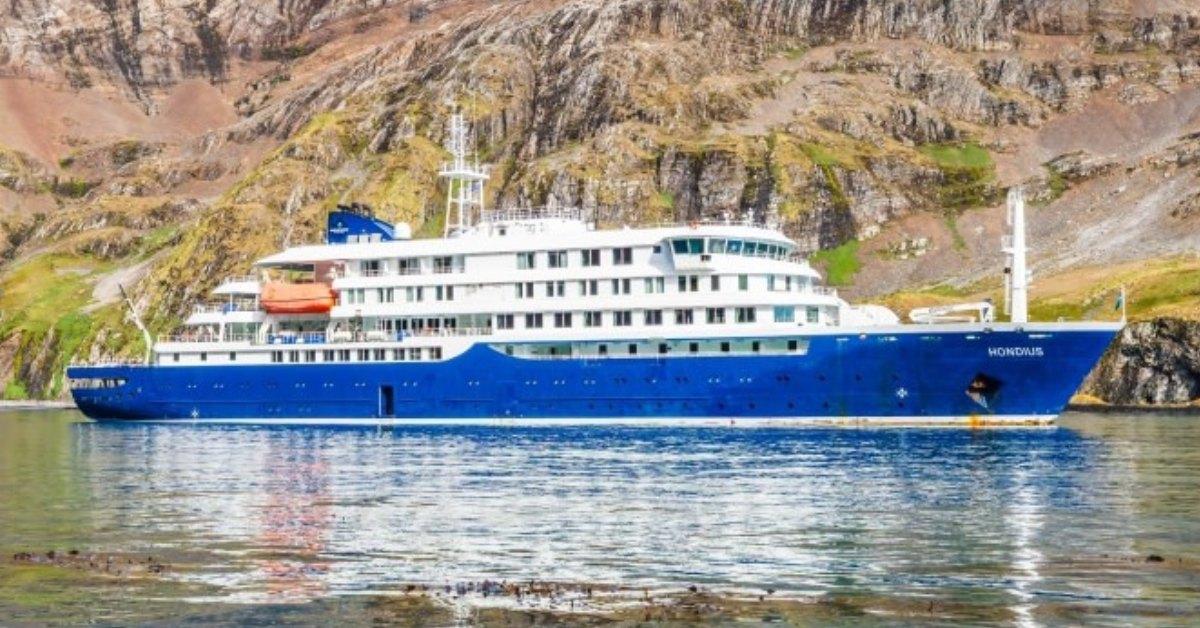
People were allowed to disembark the MV Hondius, the cruise ship linked to the 2026 hantavirus outbreak, because the virus had not yet been detected at the time they left. It wasn’t until nearly a month later, and after three deaths, that health officials determined hantavirus was on board and officially deemed it an outbreak.
To give you a clearer picture of how things played out, AP News laid out a timeline of the events, starting with April 1, when the ship sailed off from Ushuaia. Just a few days in, on April 6, a Dutch man on board became ill, showing symptoms like headache, fever, and mild diarrhea, the outlet noted. But he and his wife had reportedly spent some time before boarding the ship sightseeing in Ushuaia, even traveling between Chile and Argentina.
Five days later, on April 11, the man went into respiratory distress and died on the ship. At that time, cruise operators did not identify the cause of death. By April 24, his body was removed from the ship in St. Helena, where his wife also disembarked. AP News notes that more than two dozen other passengers were also believed to have left the ship at this time, some of them ending their cruising journey.
But then, on April 25, the Dutch woman began showing symptoms of illness. She later took a commercial flight from St. Helena to South Africa, and while waiting at the airport to board another flight, she collapsed and was later reported dead.
Two days later, a third passenger became sick on board the cruise, and then additional illnesses were apparent among passengers. Another traveler also died.
It wasn’t until May 2, 2026, that medical professionals identified hantavirus as the cause after testing a British man who was admitted to the ICU in South Africa. That’s when they started making connections and determined there was a hantavirus outbreak on the ship.
From that point forward, ship operators were more stringent in who they were allowing off, and officials were more strategic in how passengers were transported, whether to obtain medical care or to be sent home.
More people were evacuated from the cruise during the hantavirus outbreak.
By May 6, 2026, more people were allowed off the ship, some of whom tested positive for hantavirus, according to Associated Press. But they were evacuated and transported by air to “specialized hospitals in Europe” for treatment, not just let off and permitted to walk about freely.
There were still over 100 passengers and staff onboard the MV Hondius at the time.