
What Does "T-Minus" Mean? Artemis II Countdown Sparks New Curiosity
“T-minus” is not just for drama. It controls every second of NASA’s launch sequence from holds to liftoff timing.
Published April 2 2026, 10:56 a.m. ET

If you have ever watched a movie or television show about space or rocketships, you have likely heard the term “T-minus.” When NASA’s Artemis II rocket lit up Kennedy Space Center on April 1, the phrase “T-minus” was suddenly everywhere.
The SLS rocket lifted off from Launch Complex 39B, sending Reid Wiseman, Victor Glover, Christina Koch, and Jeremy Hansen aboard Orion on a planned 10-day test flight around the Moon and back. NASA called it the first crewed lunar flyby in more than 50 years.
Now, folks are jokingly fixated on the phrase “T-minus” and why people use it during space launches.
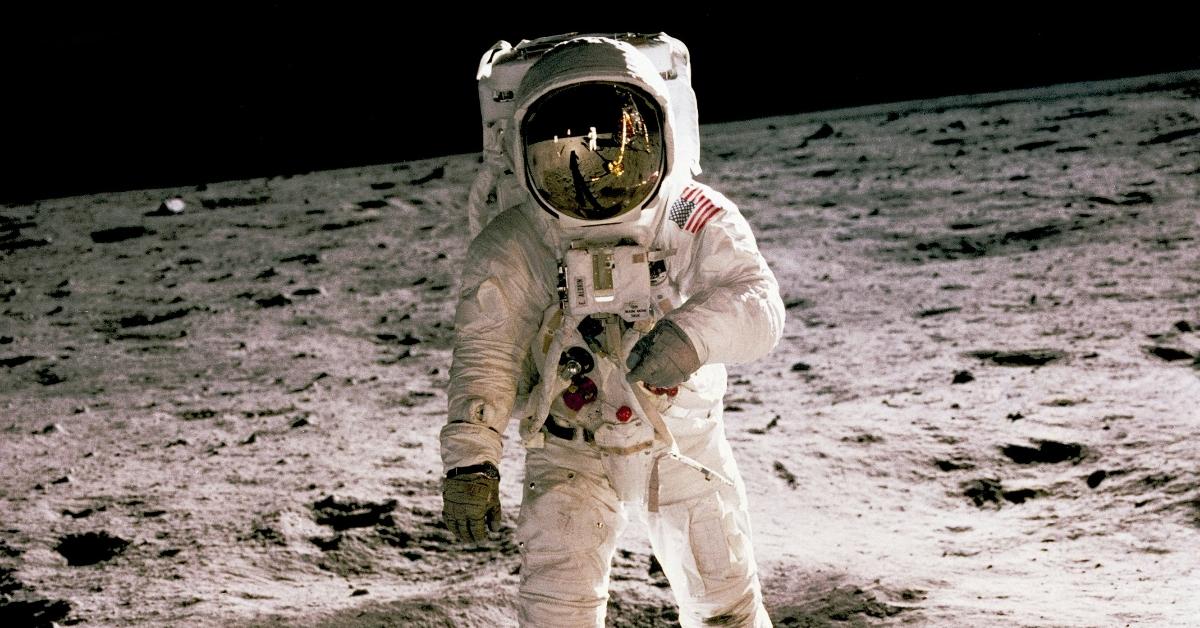
Why do they say T-minus?
In launch world, the “T” marks the official countdown clock tied to liftoff. NASA defines “T-minus” as a sequence of events built into the countdown. “L-minus,” on the other hand, tracks real time. Controllers can pause the T-clock during planned holds, while L-minus keeps running.
This setup lets teams protect the launch window without losing their place in the sequence. If teams stop the clock, they can resume from that point or recycle back to T-10 if they need more time. So yes, “T-minus” sounds cinematic, but it actually serves as a precise control tool on a complex launch day.
In addition to “T-minus,” launch teams use a full dictionary of terms. You will hear “L-minus” for wall-clock time, “hold” for a planned pause, and “go/no-go” for readiness checks. “Max Q” marks the point of maximum dynamic pressure. “MECO” signals main engine cutoff. Stage separation happens when one part of the rocket peels away after finishing its job, according to the National Environmental Satellite, Data, and Information Service.
For Artemis II, NASA mapped out a tight, second-by-second timeline that shows just how precise these launches get. The rocket hit maximum dynamic pressure about 1 minute and 10 seconds after liftoff. Solid rocket boosters separated around 2 minutes and 8 seconds. The SLS core stage then reached the main engine cutoff at about 8 minutes and 6 seconds.
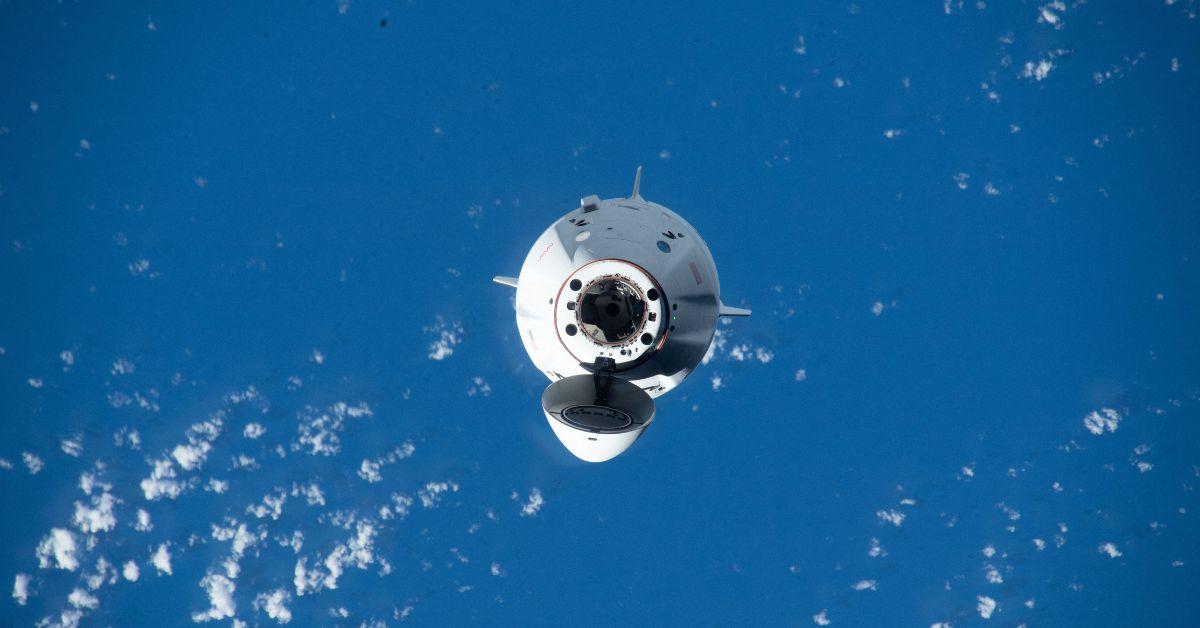
Artemis II is the first crewed Artemis flight and a key step toward a long-term return to the Moon. NASA says the goal goes beyond a single launch. The agency is aiming for scientific discovery, economic growth, and a sustained human presence in space. Future missions will target the Moon’s south pole and rely on new systems, including lunar landers, upgraded spacesuits, rovers, and the Gateway station in lunar orbit.
What do commercial planes say?
Commercial aircraft follow a different playbook. Airlines and air traffic control do not use “T-minus” in routine communication. The Federal Aviation Administration tells controllers to avoid using the word “takeoff” unless they are issuing or canceling a takeoff clearance. Standardized phraseology matters more than dramatic wording.
NASA did not invent the countdown, either. Most space histories trace the rocket-launch countdown to Fritz Lang’s 1929 film Woman in the Moon. According to Atlast Obscura, the movie featured the first countdown before takeoff and that later rocket launches adopted the practice.