
The Secret World of E-Waste Gold Miners and Kitchen Table Prospectors
Metal testing brand GTE strikes gold with modern treasure hunters on Temu.

Updated May 4 2026, 6:00 p.m. ET

Ashley Kulp, founder of GTE (fifth from right), and her team.
The hobby of hunting for precious metals has come a long way since the days of sweeping beaches with a basic detector. A growing tech-savvy community of modern prospectors is now identifying metal components, testing their purity, and even recovering gold from old electronics.
According to Archive Market Research, the hobby metal detector market is projected to reach nearly $247 million in 2025, with an 8% annual growth rate through 2033.
GTE (Gold Testing Equipment), a Mercersburg, Pennsylvania–based company, is riding this growing interest by selling professional-grade metal testing tools and refining solutions through its rapidly growing presence on Temu.
“We used to sell almost exclusively to small jewelers and pawnshops,” said founder Ashley Kulp, 40. “Now, they make up just 40% of our business. Instead, most of our growth comes from hobbyists and flippers—everyday people doing it for fun or to make a little extra money.”
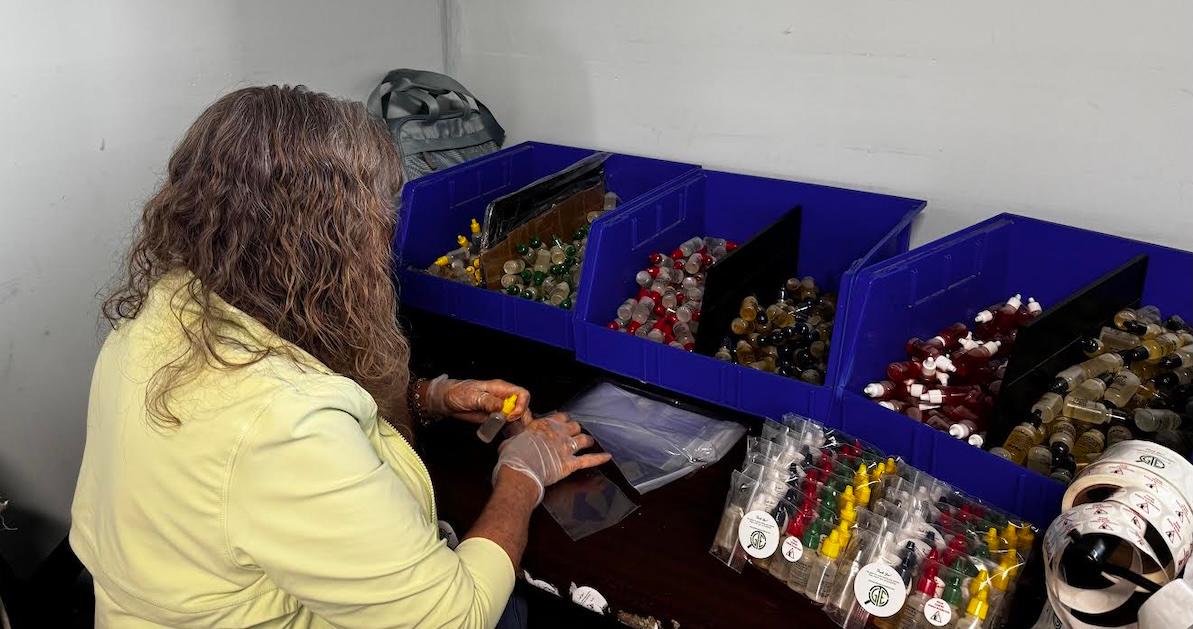
GTE employee packaging metal testing kits at the office.
Since launching on Temu in April 2025, GTE has sold over 47,000 units, with the platform now accounting for 15% of total sales —surpassing other e-commerce channels that the company had been active on for more than six years.
“The velocity exceeded our expectations,” Kulp said. “We had to restructure our inventory forecasting and fulfillment processes quickly, and we hired three new e-commerce assistants to support demand. Many of our Temu customers are first-time buyers, which presents a meaningful opportunity to educate and build long-term relationships.”
“Product freshness is critical, particularly for chemical testing solutions with defined shelf lives. Most test kits on the market are imported, and their shelf life is short by the time they reach the customer,” Kulp said. “Temu’s sales velocity allows us to maintain rapid inventory turnover, ensuring customers consistently receive reliable, high-quality products.”
Testing for Real Gold in E-Waste
Beyond traditional metal detecting, interest in e-waste refining is growing. Enthusiasts are recovering gold, copper, and other valuable metals from discarded electronics.
“Social media significantly accelerated awareness,” Kulp said. “When consumers see the tangible results of refining—such as recovering gold from electronic scrap—it generates curiosity and engagement. Today, approximately 10–20% of our orders consist solely of refining-related products.”
Kulp partnered with a TikTok creator who turned a box of old computer chips into a gold nugget worth $2,000 using GTE’s products. “We sourced a bulk lot of recycled computer components, including RAM modules, to demonstrate the process,” Kulp said. “The creator refined the material using our products and ultimately recovered a substantial gold nugget, illustrating both the educational and economic potential of responsible e-waste processing.”
GTE’s store reviews also detail what users are looking for. Some want to determine if a ring bought from a garage sale is real gold, or whether old computer parts contain anything valuable worth refining.
“Many of our customers are resellers,” Kulp said. “They use our tools to authenticate and evaluate metal content before determining resale value. Accurate testing supports more informed transactions.”
Amateur Metallurgists Finding One Another
The social aspect of the hobby is growing stronger. Online communities share finds through blogs and auction platforms, while group competitions and conferences transform what was once a solitary pursuit into a vibrant community.
On Temu, where chancing on interesting finds is part of the platform’s appeal for many users, metal testing kits have found an unexpected but natural home.
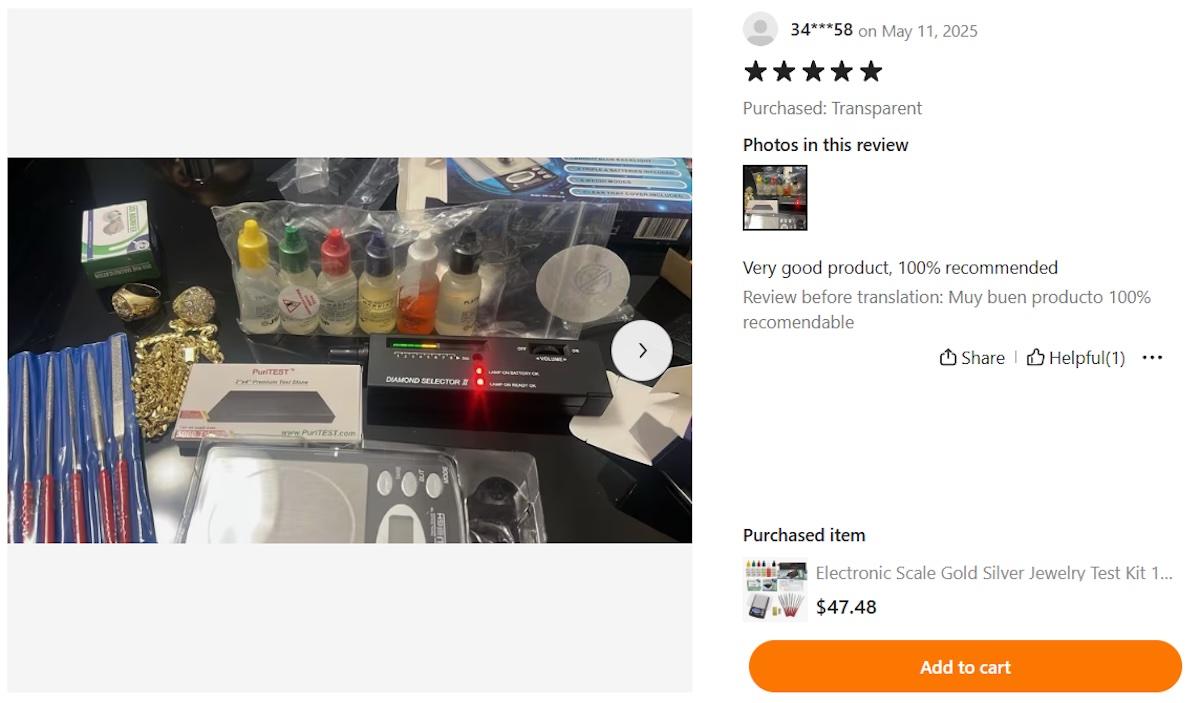
A five-star Temu review featuring a photo of a GTE testing kit
“Temu’s discovery-driven shopping experience aligns naturally with our product category,” Kulp said. “Customers encounter our tools while browsing and begin reconsidering the potential value of items they already own, from inherited jewelry to miscellaneous metal objects.”
As the distinction between professional and amateur continues to blur in the world of metal prospecting and testing, companies like GTE are lowering the barrier to entry by bringing professional-grade tools to amateur hobbyists at everyday prices.
That may be all the motivation some need to rummage through their drawers to see whether something long forgotten might contain a little hidden value.