
Netflix's ‘Vladimir’ Ending Explained: What Really Happens in the Final Scene
The finale of Vladimir leaves viewers with a burning question — literally. Here’s what that unclear ending actually means.
Published March 6 2026, 1:45 p.m. ET

Spoiler warning: This article contains major spoilers for Netflix’s Vladimir.
Netflix’s Vladimir is the kind of show that slowly pulls you into its messy, morally complicated world, and then leaves you sitting there at the end, wondering what exactly just happened. The eight-episode series follows a college professor whose life begins to unravel after she develops an intense fixation on a much younger colleague.
By the time the finale rolls around, that obsession has spiraled into deception, manipulation, and one very dramatic cabin fire. Even those who have finished the messy and complicated series have been left looking for the ending of Netflix’s Vladimir to be explained. If you found yourself confused at the end of Netflix’s Vladimir, you weren’t the only one. Turns out, the final moments raised a lot of questions without clear answers.
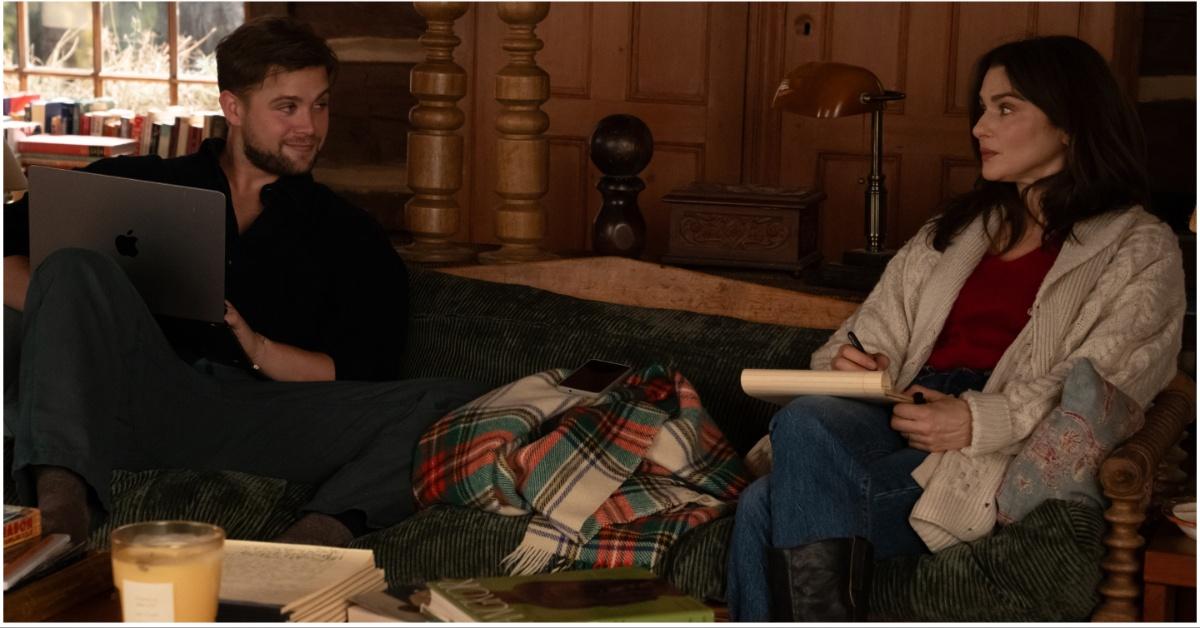
The ending of Netflix’s ‘Vladimir’ is best explained by looking at that chaotic night at the cabin.
The finale begins with a nameless protagonist — played by Rachel Weisz — inviting Vladimir Vladinski (Leo Woodall) to her remote lake house on the same day her husband John’s disciplinary hearing is taking place at the university. Their lunch turns into an afternoon of drinking, and things quickly spiral into uncomfortable territory.
At one point, she secretly crushes medication into Vladimir’s drink, causing him to pass out. While he’s unconscious, she ties him to a chair and even uses his phone to send a message to his wife, Cynthia, accusing her of having an affair with John. When Vladimir wakes up, she insists they simply drank too much and that he asked to be restrained.
Despite the strange situation, Vladimir stays at the cabin. Eventually, the two sleep together, fulfilling the obsession that’s been building all season. The reality of the moment is far less exciting than the fantasy she’s been living in her head.
Per Netflix’s Tudum, creator Julia May Jonas explained that the moment is meant to feel underwhelming compared to the anticipation. “The sex — actually getting what she thought she desired — was not as good as the exhilarating feeling of desire itself,” she explained.
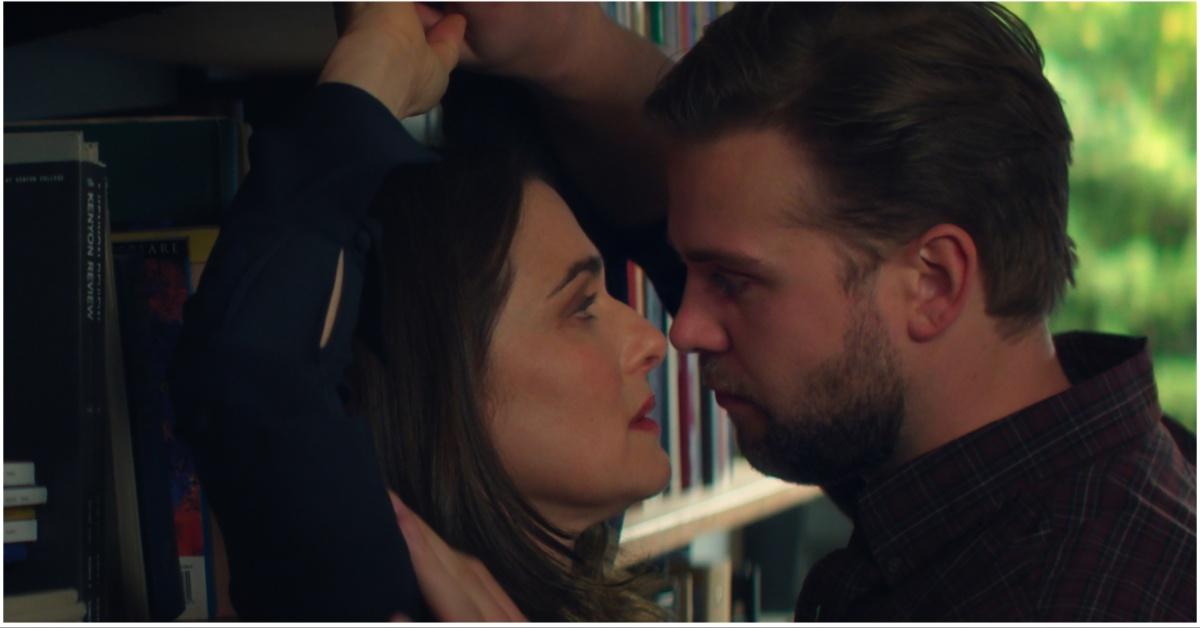
The encounter also sparks something unexpected for Rachel’s character. After struggling with writer’s block for years, the obsession with Vladimir suddenly reignites her creativity. Also speaking to Netflix’s Tudum, Rachel explained that the relationship awakens something deeper in the character, which represented “coming back to life in a certain way that had lain dormant for some time.”
The cabin fire and the final narration leave the series with a messy and confusing ending.
Later that night, John (John Slattery) unexpectedly arrives at the cabin after revealing that the university dismissed the complaints against him. He, however, will no longer be teaching. Tensions rise between the three of them. The tension seems to take a physical form as two space heaters ignite in a fire that quickly spreads.
As the flames grow, the protagonist rushes to grab the handwritten manuscript for the novel she’s finally started writing again. She escapes the cabin and then turns directly to the camera, explaining what supposedly happens next: She finishes her book about the obsession, Vladimir writes his own version, and everyone survives because she called 911.
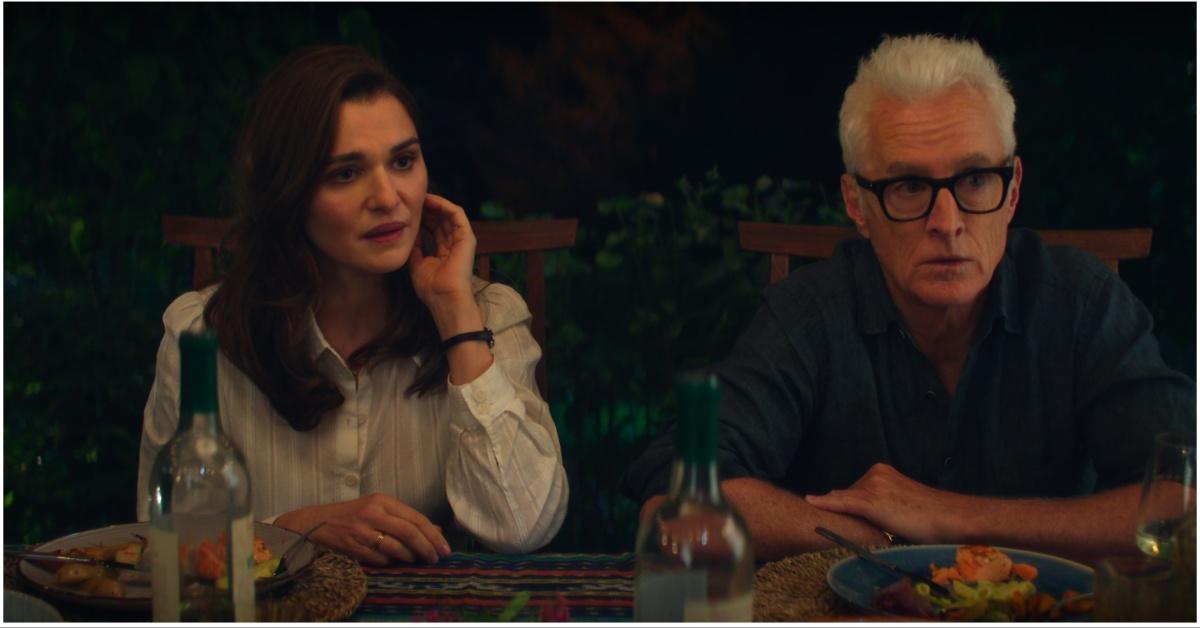
The show, however, never actually confirms that version of events. Throughout the series, the protagonist frequently breaks the fourth wall, and the finale leans heavily into the idea that she may not be the most reliable narrator. As Rachel explained via Tudum, “The narrative she tells isn’t always accurate … But that seems like a very human trait: to adjust the truth for one’s audience when things are getting out of control.”
Turns out, that mysterious and foggy ending is exactly what the creator wanted. The story wasn’t meant to come to a happy ending with a clean resolution. It was meant to leave the viewers questioning what they just watched. Julia told Tudum: “The series is so much about questions … I always like to put things in front of an audience and say, ‘Now, what do you think?’”
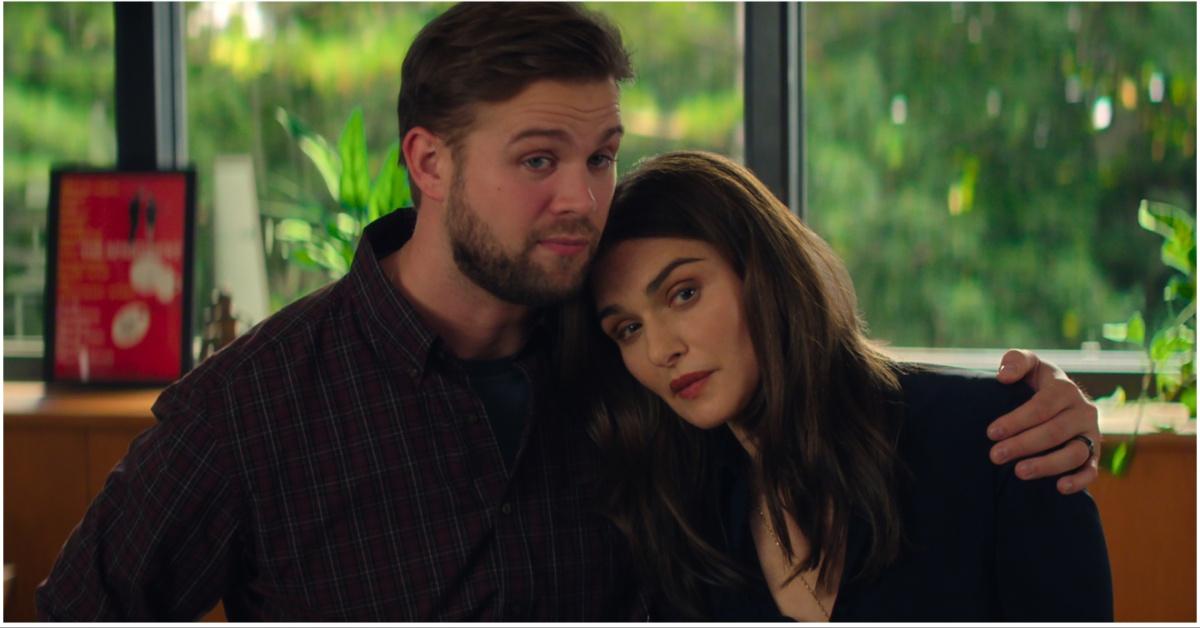
In other words, the finale doesn’t wrap things up with a nice bow for viewers. Instead, the series ends in the same way it started — messy, provocative, and just unclear enough to keep people asking questions as the credits rolled. The real question is: What do you think the ending meant?