
What Does “Heavy” Mean on a Washing Machine? The Setting You Might Be Misusing
Not all “heavy” loads are created equal, and your washing machine likely knows the difference.
Published April 14 2026, 1:57 p.m. ET

Loading a washing machine can be a task of its own. You sort your clothes, measure detergent, and try not to mix whites with colors. Then you get hit with a control panel full of settings that feel way more complicated than they should be. Now, something as simple as doing laundry starts to feel like you need a manual or a YouTube tutorial to get it done.
A lot of that confusion comes down to the wording. Washing machine panels often include terms like “normal,” “delicate,” “bulky,” and “heavy.” However, they do not always explain what those actually mean in real life.
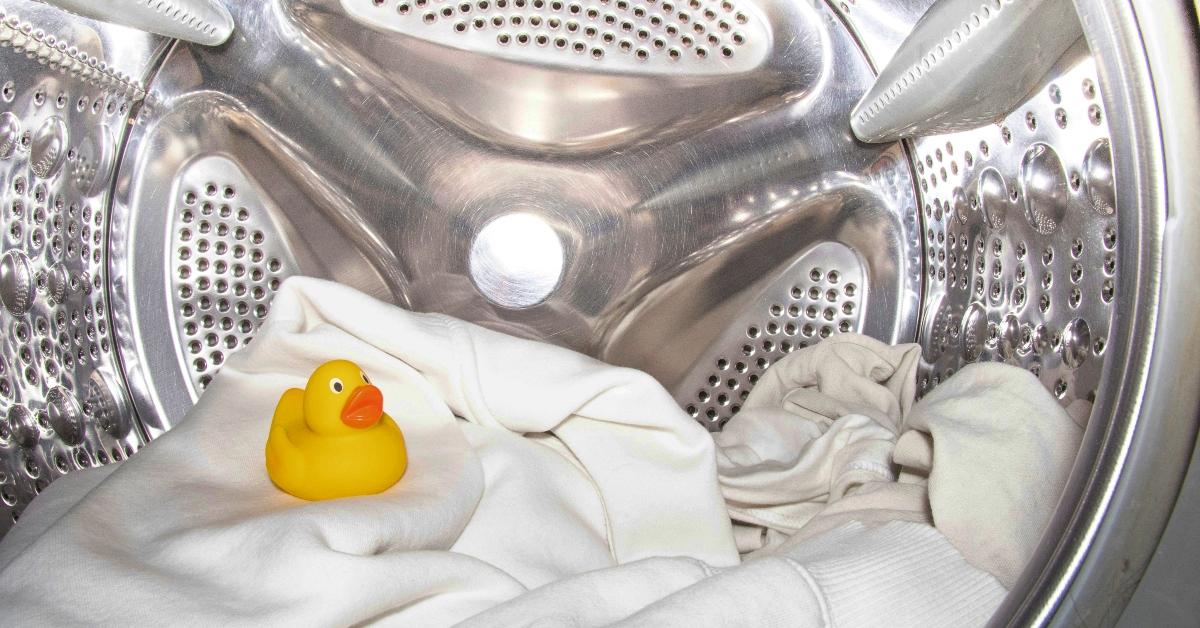
What does heavy mean on a washing machine?
On most machines, “heavy” usually means a Heavy Duty cycle or a Heavy soil level. Either way, the idea is the same. The machine increases the intensity of the wash for dirtier, sturdier items that need more than an everyday cycle. Whirlpool says its Heavy Duty cycle uses hot water and a high spin speed for thick, heavily soiled fabrics. While Maytag says its version “combines extra wash action, heated water and high spin speeds” for a deeper clean.
Ultimately, the “heavy” option is there for loads with more dirt, sweat, and body oils. On some washers, the word “heavy” does not name the full cycle. It labels the soil level instead, which changes how long and how aggressively the washer runs. Whirlpool says the soil level setting adjusts wash time, and on some models it can also affect detergent use.
Towels, jeans, work clothes, athletic gear with heavy sweat buildup, and heavily soiled cotton items are the usual candidates for heavy washes. Whirlpool specifically points to towels and jeans, and Maytag says Heavy Duty is for “sturdy, extra-dirty loads” that need intense cleaning. That also means you should not throw delicate blouses, lingerie, sheer fabrics, or anything labeled gentle into that setting just because it feels cleaner.
One place people get tripped up is bulky laundry. Heavy does not always mean best for comforters, duvets, or blankets. A lot of machines separate those items into a Bedding or Bulky cycle. And while a comforter is “heavy” in weight, that does not automatically mean the Heavy Duty setting is the smartest pick.
What do the other washing machine settings mean?
Other common washing machine settings are a lot less mysterious once you know the basics. According to Whirlpool, normal is the everyday workhorse for moderately soiled mixed fabrics. Delicate uses gentler wash action and lower spin speeds for things like lingerie, sweaters, and soft fabrics. Quick Wash is for small, lightly soiled loads when you need clothes cleaned fast.
Whites often use hotter water, longer wash time, and sometimes extra rinsing for white bleach-safe fabrics. Rinse & Spin does exactly what it sounds like and helps when clothes just need another rinse without a full wash. Some machines also have Sanitize cycles, which use hotter water and longer cycle times to help reduce bacteria in laundry.