
What Happens If Bitcoin Crashes? Experts Say It Wouldn’t Be a “Crypto Only” Problem
A Bitcoin crash wouldn’t just hurt crypto investors. Here’s why experts say the ripple effects could reach far beyond digital wallets.
Published Feb. 6 2026, 1:24 p.m. ET

If you don’t own Bitcoin, it’s easy to shrug off the idea of a crash. No crypto? No problem … Right?
But, as Bitcoin has grown from a niche internet experiment into a trillion-dollar asset tied to major institutions, the question people keep asking is simple: What happens if Bitcoin crashes? Would anyone outside the crypto world actually feel it?
The short answer from experts is that it wouldn’t be as isolated as many assume. Keep reading for more details on what a Bitcoin crash would look and feel like.
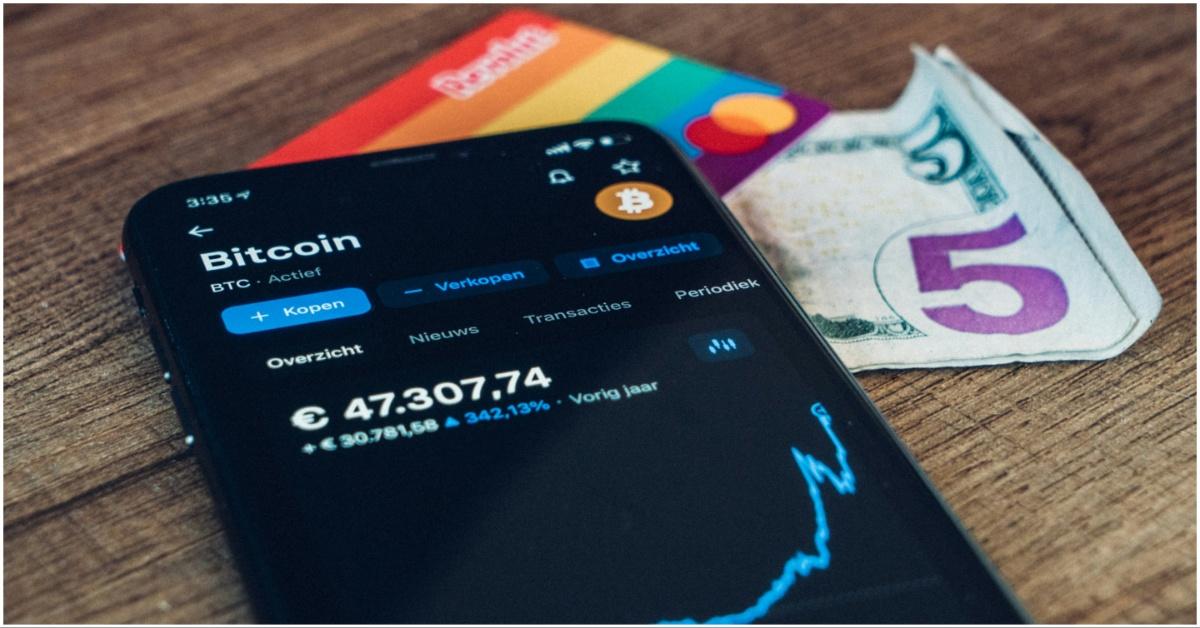
What happens if Bitcoin crashes in a world where it’s tied to major financial players?
Bitcoin is no longer just something traded by hobby investors on obscure websites. It now sits on the balance sheets of asset managers, institutions, and even some governments. Millions of people hold it directly, while others are exposed through ETFs, futures, and retirement accounts.
That growing connection to the broader financial system is what worries some experts most.
“Considering how embedded bitcoin now is in the global financial system … if it were to crash to zero, we’d see a crisis magnitudes bigger than 2008/2009,” said Kevin Rusher, founder of RAAC, per Yahoo Finance.
Another expert, Vince Stanzione, pointed out that today’s crypto market is much larger and more complex than before, with many financial products tied to Bitcoin’s price. That means a major drop wouldn’t just stay within crypto circles.
In simple terms, when something this big falls fast, it tends to shake more than just one corner of the market.
Past market bubbles can reveal a lot about sudden crashes.
Bitcoin’s wild price swings aren’t new. According to Fortune, history shows repeated boom-and-bust cycles where prices soar quickly, then tumble just as dramatically.
Financial observers have compared some of these moments to famous bubbles from the past, like the dot-com boom or even the tulip mania of the 1600s. In each case, excitement around innovation pushed prices up fast, only for reality to bring them back down.
In Bitcoin’s earlier years, crashes mostly hurt a smaller group of casual traders. Big banks and institutions largely stayed away, which limited the damage to the wider economy.
But that old comparison is becoming less comforting as Bitcoin grows more connected to mainstream finance. What once looked like a fringe bubble now touches retirement accounts, investment funds, and large corporations.
The lesson from history isn’t that crashes never happen. It’s that when markets grow bigger and more intertwined, the consequences tend to spread further.

A crash could hit younger generations especially hard.
Another ripple effect experts point to involves who holds Bitcoin.
Many investors in crypto tend to be younger, particularly millennials and Gen Z. For some, Bitcoin was their first real investment experience.
According to Yahoo Finance, Robert Johnson, founder of Economic Index Associates, explained that a major crash could shake confidence in financial markets for these younger groups.
“One of the ripple effects of a bitcoin crash would be a loss in confidence in the financial markets by this younger demographic,” he explained, noting that people who lose trust often step away from investing altogether.
He also warned that younger generations tend to have a larger share of their wealth tied up in crypto compared to older investors. That means a crash could wipe out a bigger portion of their savings, including money meant for retirement.

So, would a Bitcoin crash affect people who don’t invest in crypto?
Years ago, many experts believed Bitcoin was too small and isolated to pose a real risk to the broader economy.
Today, that assumption is far less certain. With Bitcoin tied into large investment products and institutions, a dramatic collapse could shake financial markets in ways that spill beyond crypto investors.
It might not look exactly like past financial crises, but the combination of massive losses, shaken confidence, and regulatory fallout could still create real economic waves.