
Why Did Obama Give Iran Money? Trump’s Claim Resurfaces Amid Rising Conflict
Trump’s accusation has reignited debate about Obama’s Iran policy and the controversial $1.7B settlement.
Published March 5 2026, 10:36 a.m. ET

President Donald Trump made a scathing claim about former President Barack Obama, suggesting Obama gave money to Iran. The accusation comes as Trump faces mounting criticism over military strikes targeting Iran.
On Feb. 28, the United States and Israel launched major strikes on Iranian targets. Trump said the operation eliminated “imminent threats.” But the conflict quickly turned deadly. The Pentagon said six U.S. Army Reserve soldiers died after a drone struck a command center in Port Shuaiba, Kuwait, one day after the campaign began.
Days later, Trump made a shocking claim. The president suggested that Obama handed Iran money and power, leaving the country with room to develop nuclear weapons.
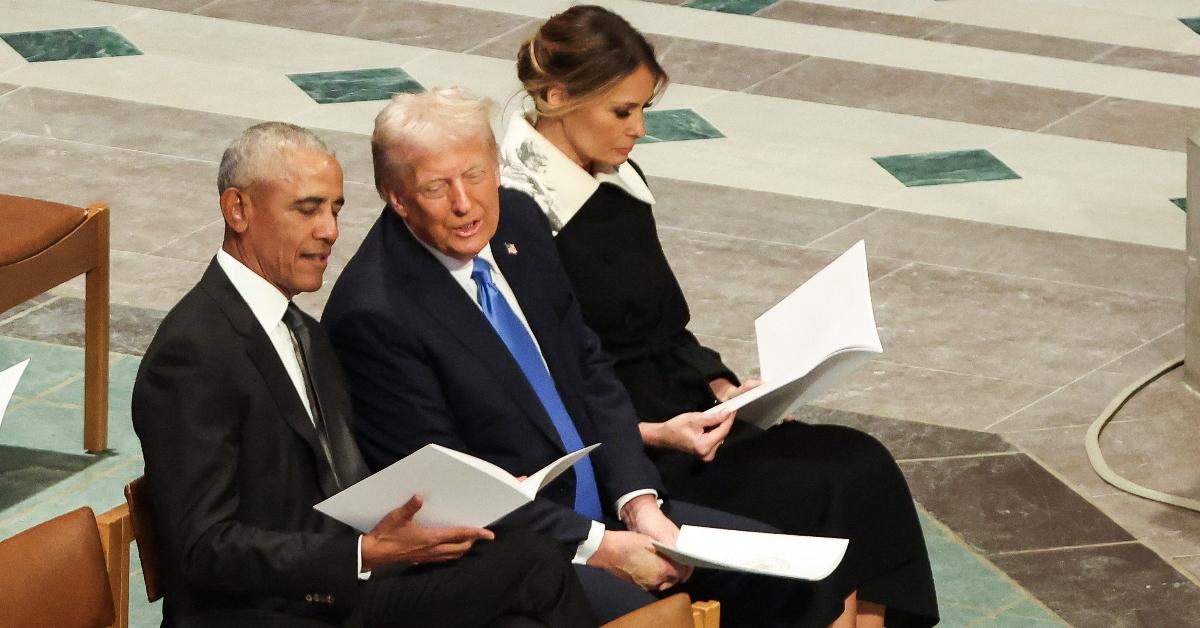
Did Obama give Iran money?
When people say Obama “gave Iran money,” they usually refer to a $1.7 billion payment announced in January 2016. The Obama administration said the payment resolved a decades-old legal dispute at the Iran–U.S. Claims Tribunal in The Hague.
According to the U.S. Department of the Treasury, the payment involved two parts tied to Iranian funds that had been frozen for years — $400 million in principal and $1.3 billion in interest. Officials said the $400 million came from the Foreign Military Sales Trust Fund, while the interest payment came from the U.S. Judgment Fund.
Because Iran remained largely cut off from the global banking system due to sanctions, the administration delivered the money in cash. Officials said cash provided the most reliable way to complete the settlement.
The payment caused controversy because it happened around the same time that American prisoners were released from Iran. However, in August 2016, State Department spokesman John Kirby confirmed that the United States held the initial $400 million payment until the American detainees were safely on a plane leaving Iran.
According to Reuters, Kirby said the administration used the timing as leverage, explaining, “We took advantage of that to make sure we had the maximum leverage possible.”
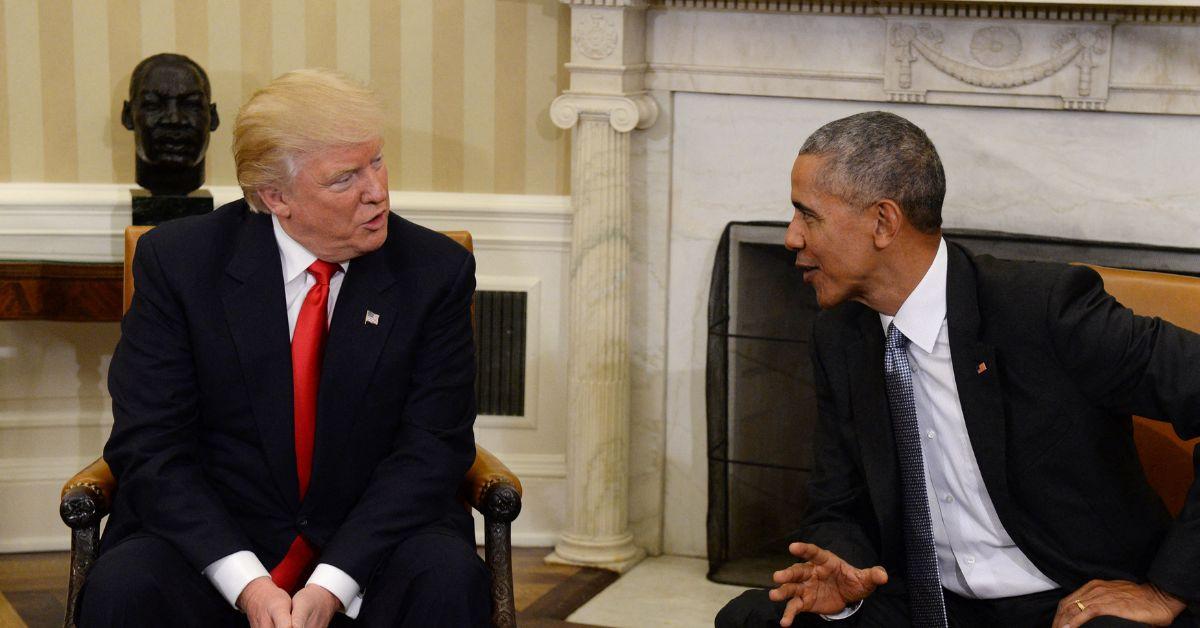
What was the Iran nuclear deal?
The 2015 Iran nuclear deal, formally known as the Joint Comprehensive Plan of Action (JCPOA), was also established during this time. Under that agreement, Iran accepted restrictions and international inspections on its nuclear program in exchange for the lifting of certain nuclear-related sanctions. As those sanctions eased, Iran regained access to some of its previously frozen assets and economic activity.
And while this sanctions relief allowed Iran to tap into funds that had been restricted, it was separate from the $1.7 billion legal settlement.
After the U.S. withdrawal (2018), Iran began stepping away from its commitments. An International Atomic Energy Agency (IAEA) report notes that from May 2019, Iran stopped implementing some nuclear-related commitments under the JCPOA.