
Beelzebub: The Biblical Demon behind the name of William Golding's Classic 'Lord of the Flies'
It's a dark novel with a false happy ending.

Published April 8 2026, 2:58 p.m. ET

Not many artists are fortunate enough to have a successful debut release, let alone for it to become a timeless classic. But that's what happened to William Golding when he published Lord of the Flies in 1954. The harrowing tale follows a group of young boys, who range from 6 to 12 years old in age, after they're left stranded on an island.
The book has been adapted to film previously, and Netflix just dropped a trailer for its new miniseries based on the work, which comes to the platform on May 4, 2026.
One question has kept popping up online, however: Why is it called Lord of the Flies?
Why is it called 'Lord of the Flies'? It wasn't William Golding's first choice.
The author initially wanted to call his tale Strangers from Within, but the novel's editor, Alan Pringle of Faber and Faber, recommended that he change it to Lord of the Flies. Golding reportedly preferred this suggestion to his original. And it's not difficult to see why, as this change perfectly speaks to the book's themes.
One image in particular is a direct reference to the book's title: the severed head of the pig the boys kill for food. One of the students, Jack Merridew, leaves the head of the pig on a pike as an offering to the "beast" the boys conjure up.
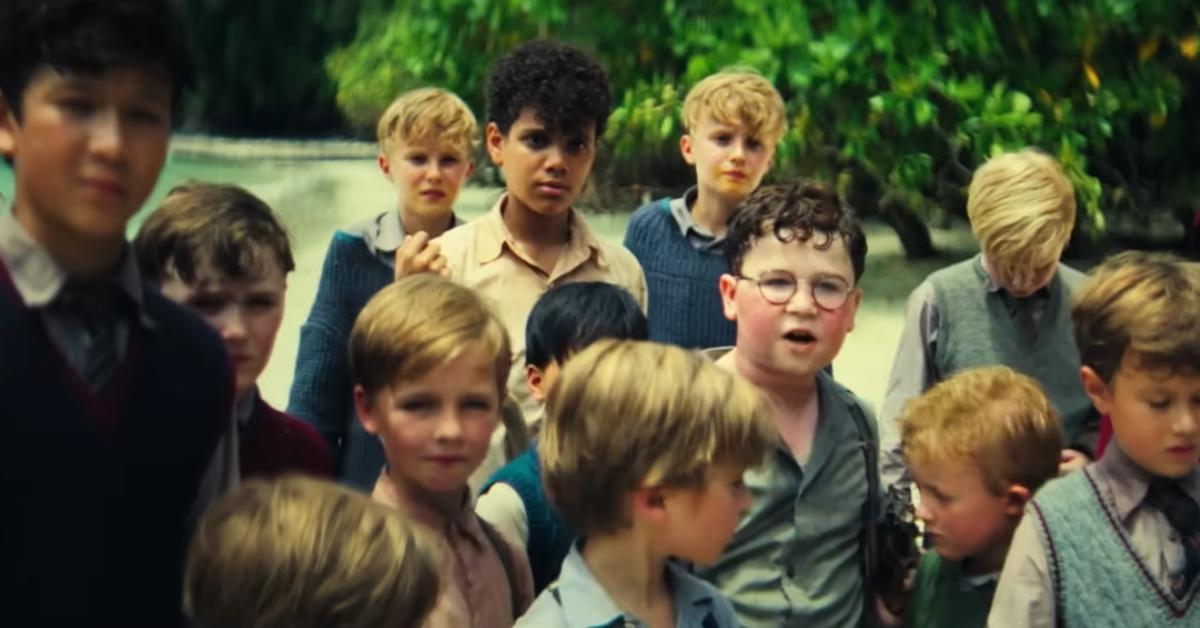
In some of the more surreal passages of the book, the pig head "speaks" to Simon, indicating that it's not a gift to the beast, but that it's the beast itself. Swarming around the rotting head are a bunch of flies, feeding on the dead animal's flesh.
This decapitated, rotting animal head is, as Study.com puts it, a direct reference to Beelzebub, a biblical demon whose name translates literally to "Lord of the Flies." The insects symbolize decay and destruction, which speaks to the degradation of humanity and morals, allowing savagery to take precedence over love.
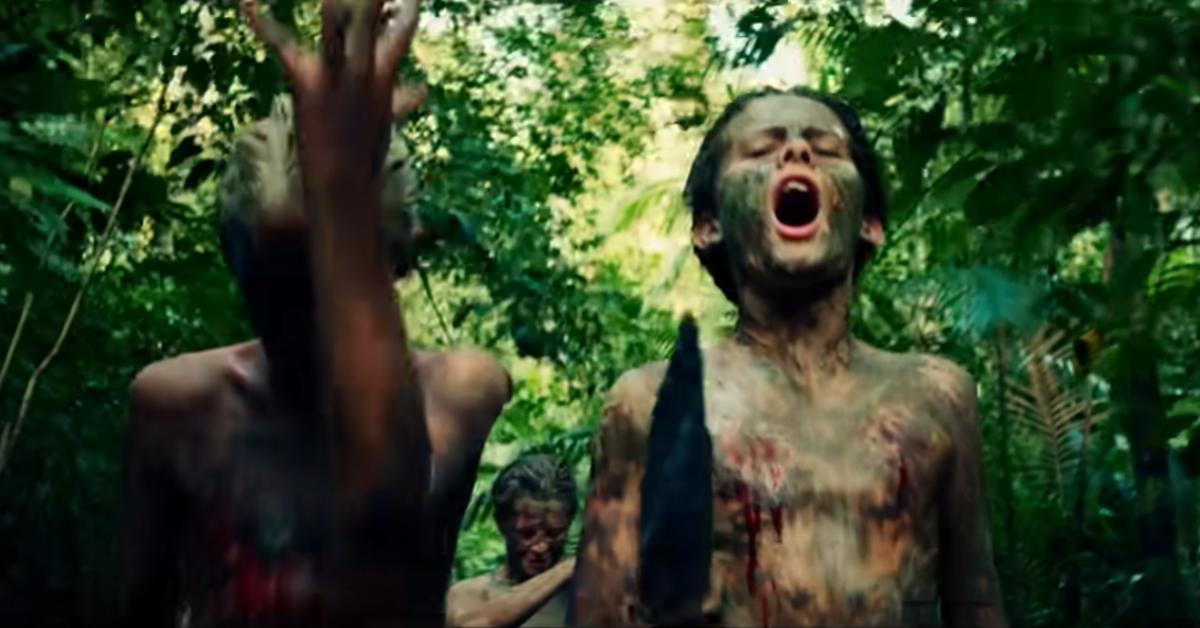
The boys allowing their fear of the beast, which manifests in a physical offering, sends their makeshift island community on a downward trajectory where they turn against each other. So ultimately, they find themselves worshiping the Lord of the Flies, i.e., fear and a submission to their darker human urges.
What happens in 'Lord of the Flies'?
Warning: spoilers for Lord of the Flies below.
If you're unfamiliar with the work, Golding uses the island that the boys inhabit as a microcosm of humanity. Or really, the lack thereof when people's behaviors go unchecked.
Here's what happens in the book: A group of English schoolboys is on an airplane in the midst of an armed conflict in which an atomic bomb was used.
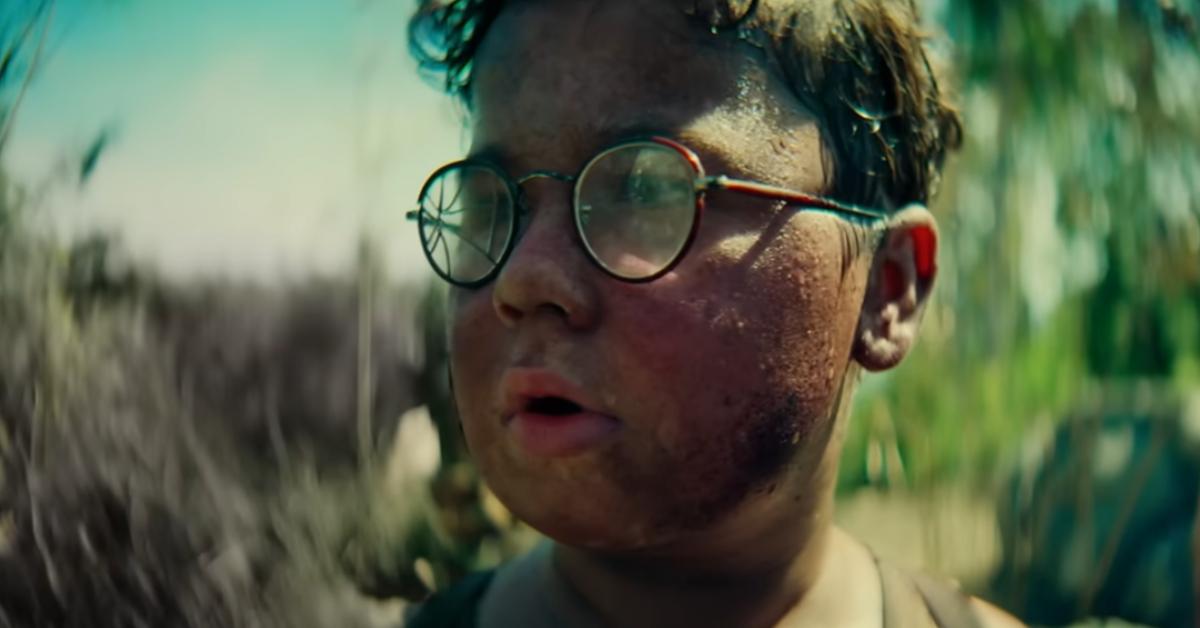
Their aircraft is shot down, causing it to crash on an uninhabited island located in the Pacific. The surviving boys, at first, work together to establish a sense of civic order while on the island. Ralph is elected to be their leader, mostly because he possesses a conch shell, which is regarded by the young boys to be a symbol of civility.
Whoever holds the conch shell is allowed to speak during their group gatherings, but it doesn't take long for trouble to brew among the boys on the island. Jack Merridew, a rival to Ralph, cares more about hunting and physical dominance, eschewing group unity and courteous discourse in the process.
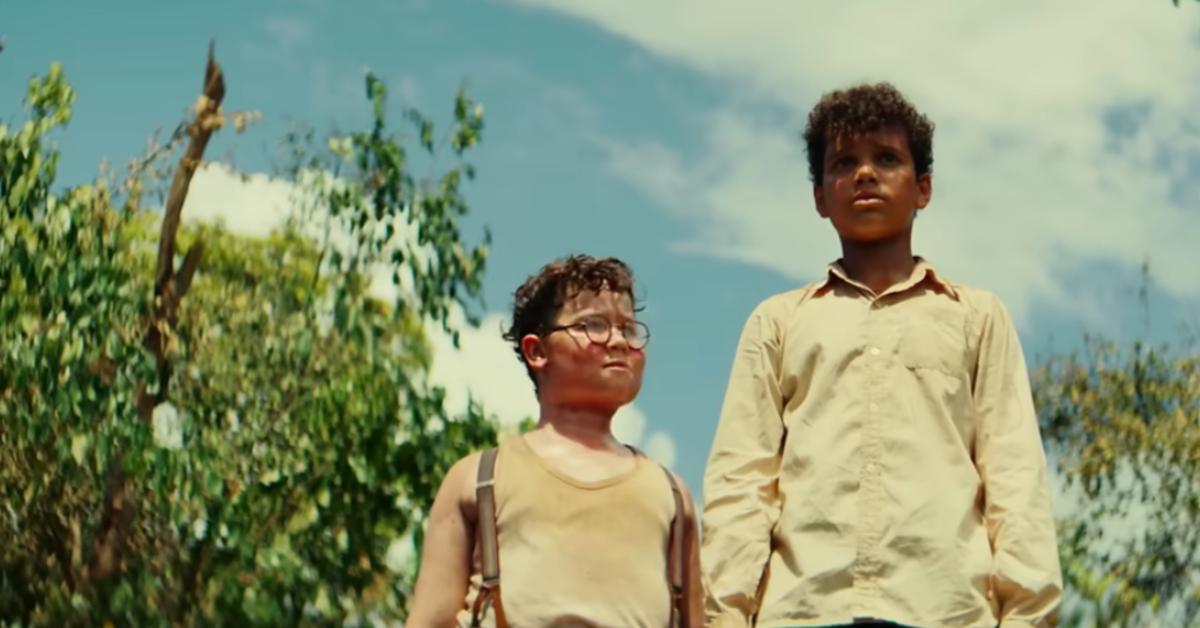
As the novel progresses, murmurs of a beast stalking the group progressively foment in the minds of the boys on the island. While there is no physical beast, the constant talk of this monster all but makes it a real threat, and this fear has many of the children on the island in a stranglehold.
Jack and his followers on the island end up using this fear of the monster to their benefit, and the group mistakenly kills one of their own, Simon, after he's mistaken for this beast. Afterward, Piggy, who throughout the novel attempts to reason with everyone on the island, is killed when Roger hurls a boulder at him.
Piggy is murdered while holding the conch, which shatters after he's struck by the large rock. Ralph is effectively left with no support and is hunted down by Jack and the remaining school children, and both he and the others are saved when they encounter a naval officer who comes to their rescue on the island.
The irony, however, is that the naval officer is aboard a warship, which the children are being brought onto. This suggests that the boys are effectively getting taken out of the frying pan and being put into the fire, as they've been saved by a country that is actively participating in war.