
UK Prime Minister Keir Starmer Has Resigned — Here's Why He Is So Unpopular
Andy Burnham is largely expected to be the next leader of the Labour Party.

Published June 22 2026, 11:45 a.m. ET

On Monday, June 22, Prime Minister Keir Starmer of the United Kingdom announced that he would resign from his leadership role once a successor was in place.
The decision comes as polls show that Starmer is deeply unpopular with the British electorate, the rise in popularity of the right-wing Reform party, and challenges from within his own Labour party.
Starmer's decision has led many across the pond to wonder just why he resigned, especially after President Donald Trump seemingly announced on social media on Sunday that Starmer was set to resign, even before he had a chance to do so.
Starmer had been elected in a landslide in 2024
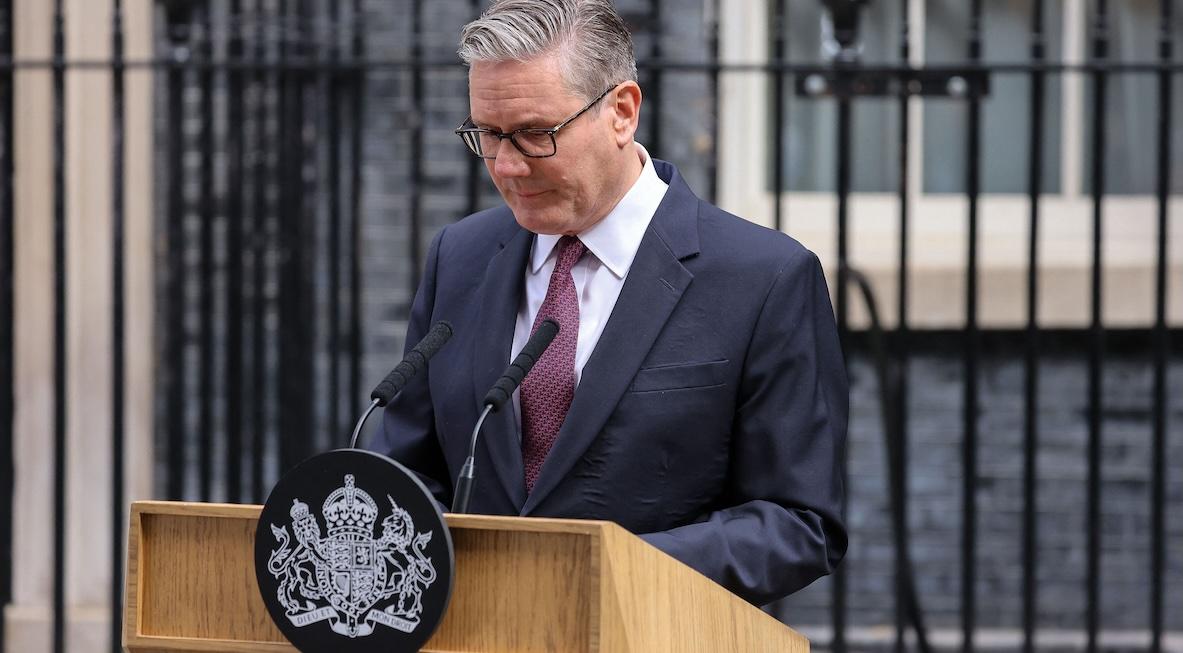
The last General Election in the United Kingdom was held in 2024, and Keir Starmer and the Labour Party won a landslide not seen in decades.
Instead of directly voting for a Prime Minister, voters in the United Kingdom vote for a local Member of Parliament, who then sits in the House of Commons in London.
If a single party has the 326-seat majority needed to form a government, then the leader of the party will typically be invited by the monarch to form a government with the leader acting as Prime Minister.
Labour won 411 seats, giving them a comfortable majority. However, many political commentators believe that this large victory was not a result of Starmer's popularity, but of the previous Conservative Party's unpopularity.
In the same election, the Conservative Party lost 251 seats, largely because the rising Reform Party split the conservative vote. This allowed Labour to scoop up seats in a system that simply requires a candidate to have the most votes to become a Member of Parliament.
Keir Starmer quickly become unpopular after becoming Prime Minister
Starmer's popularity has nosedived since he was elected Prime Minister. Left-wing members of the Labour Party believe that he is too centrist and has abandoned many of his previous beliefs after taking office. On the other hand, many on the right of British politics believe that he is too left-wing. Both sides, however, seem to believe that he is uncharismatic.
And, despite his overwhelming majority, Starmer has struggled to pass the reform needed to meet the expected rapid improvements in the economy, living standards, housing, health, and other areas.
Starmer has had to raise taxes after failing to pass welfare reform that was intended to reduce spending in the area. Although there have been drops in immigration and waiting times for health treatment under his leadership.
Starmer has also faced constant criticism from the political right, including the newly created Reform Party, led by Nigel Farage, and from trillionaire Elon Musk.
They have focused on his positions on immigration and asylum, which have become a major issue since both surged under the previous Conservative government. They've also been critical of his response to several high-profile crimes and his intention to ban access to social media for children.
So, who will be the next Prime Minister of the United Kingdom?
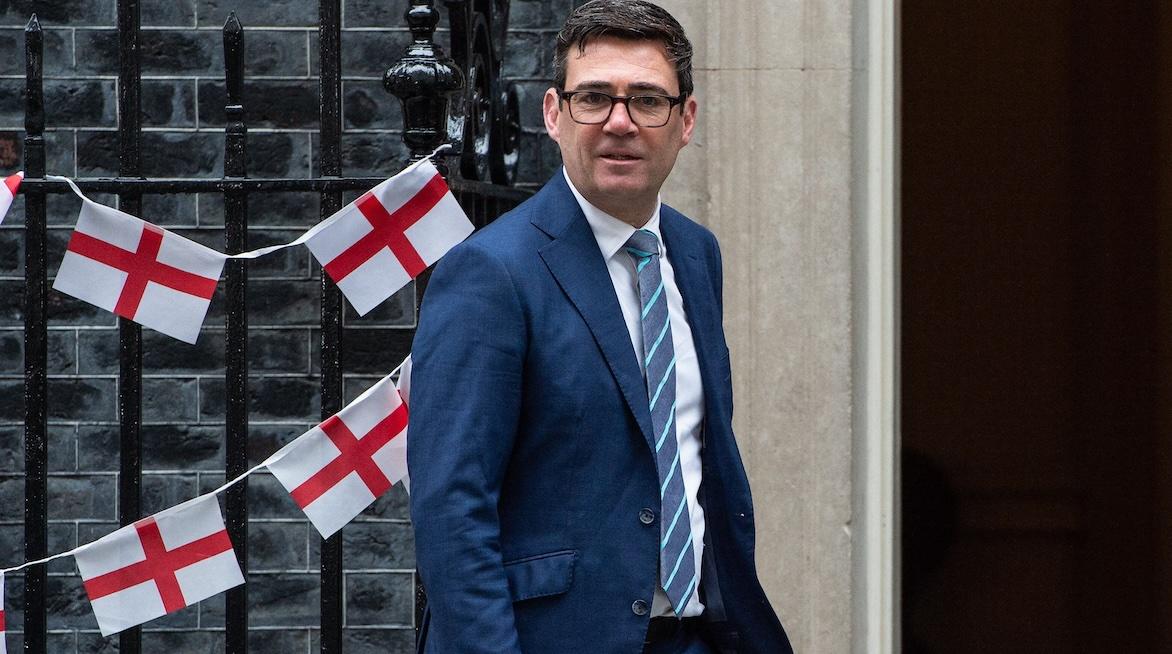
Andy Burnham, former mayor of Manchester and newly elected Member of Parliament for Makerfield, is largely expected to be the next leader of the Labour Party and, by extension, the next Prime Minister of the United Kingdom.
Burnham left his position as mayor, where he was one of the most popular politicians in the country, to become a Member of Parliament and qualify for the position of Prime Minister, winning a clear majority of votes in the local election. What is less clear is whether he will face competition from other members of the Labour Party.