
Do 'Hell’s Kitchen' Contestants Get Paid? What It’s Really Like Competing on the Show
'Hell’s Kitchen' looks intense on screen, but the real experience includes long days, tight rules, and some weekly pay.
Published Jan. 23 2026, 11:49 a.m. ET

Hell’s Kitchen is famous for high-pressure challenges, blistering critiques from Gordon Ramsay, and contestants who look permanently exhausted. Viewers see the drama, the breakdowns, and the occasional triumph, but one practical question comes up every season.
The grueling process leaves many with just one question: Do Hell’s Kitchen contestants actually get paid while filming, or are they competing entirely for the prize?
The short answer is yes, contestants are paid, but the details are less glamorous than the television edit suggests. Beyond the paycheck, former competitors have described a demanding experience that feels closer to a job than a reality TV vacation.

Do 'Hell’s Kitchen' contestants get paid during filming?
Contestants on Hell’s Kitchen are not working for free. While Fox and the show’s producers do not publicly disclose exact compensation, multiple reports have alleged that contestants earn a weekly stipend during filming. According to ScreenRant, that amount has been estimated at roughly $750 to $1,000 per week.
This pay is not prize money. It functions more like a participation stipend, helping cover time spent away from regular jobs while filming takes place.
The stipend reflects the reality that contestants are effectively on set full-time. Filming schedules are long, days are tightly structured, and competitors are expected to be available whenever production requires. While the weekly pay is modest, it provides some financial support during an otherwise all-consuming experience.
Winning the competition, of course, comes with a much larger reward, but only one contestant reaches that point.
If you think about it, payment probably doesn't mean the experience is comfortable and amazing. Living conditions are controlled, communication with the outside world is limited, and personal time is scarce. The stipend does not increase based on performance, meaning early eliminations still receive only what they earned while present.
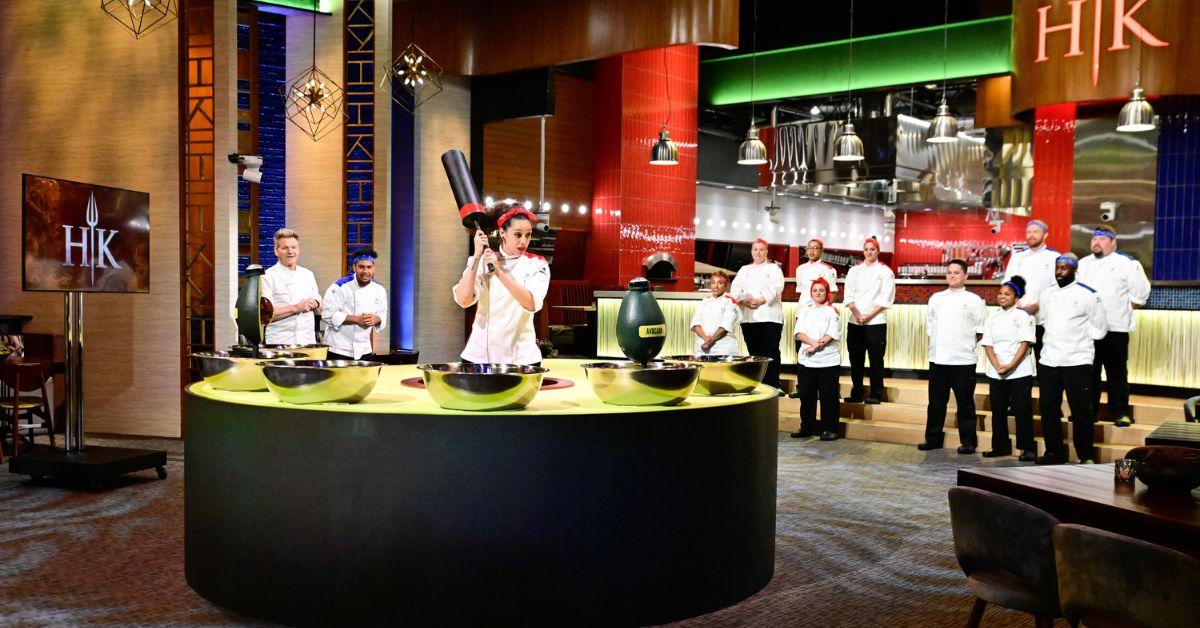
What is competing on 'Hell’s Kitchen' really like behind the scenes?
While Hell’s Kitchen is its own format, interviews with chefs from similar high-pressure cooking competitions help illustrate the experience. In a Delish interview, Top Chef judge Gail Simmons described competition cooking as physically exhausting and mentally draining, with long hours and constant scrutiny.
Contestants are not simply cooking for fun or exposure. They are performing under real expectations, with real consequences, and very little downtime. The structure is intentional. Producers want intensity, and the environment is designed to push chefs to their limits.
That pressure helps explain why the weekly pay is framed more as compensation for labor than a bonus.
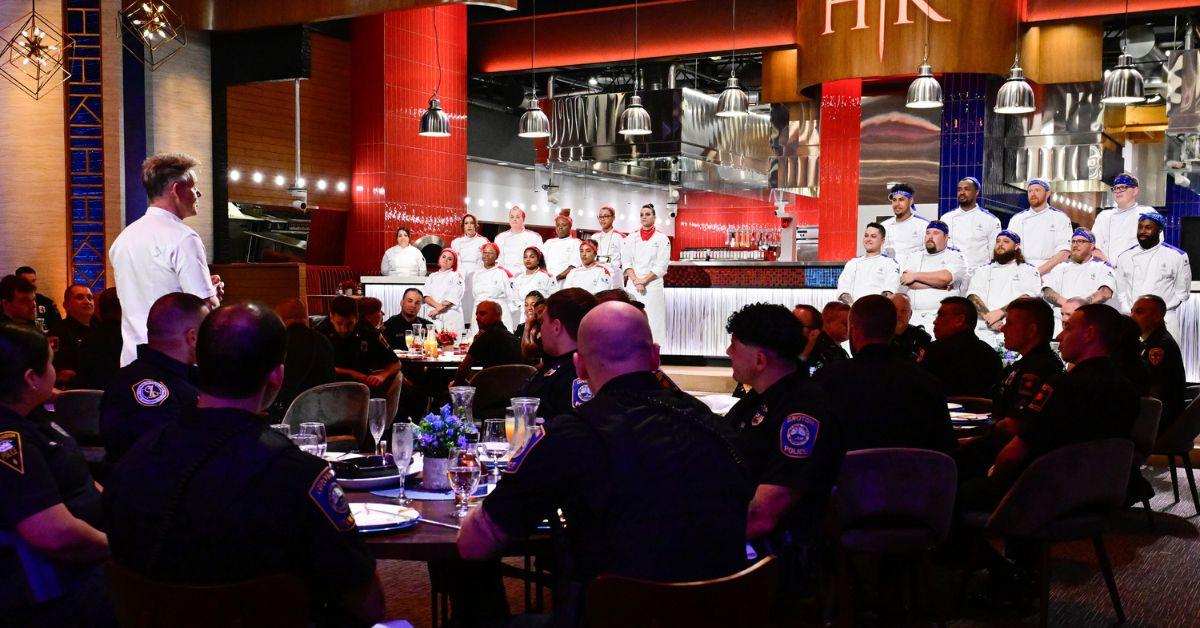
For many contestants, the money is not the main motivation. Exposure, professional credibility, and the chance to work with Gordon Ramsay carry long-term value that far exceeds the weekly stipend. Even contestants who do not win often leverage their appearance into restaurant opportunities or media careers.
The pay keeps contestants afloat. The experience is what they’re really signing up for.
Hell’s Kitchen may look like chaos on a plate, but behind the shouting and sizzling pans is a structured production where contestants are paid for their time and effort. The real cost is physical and emotional, not financial. For the chefs who step into that kitchen, the paycheck helps, but the pressure, visibility, and potential career impact are what truly define the experience.