
Michael Banks's Border Patrol Resignation Ends a Career That Started in the Peach Fields
Officials had not publicly announced Michael’s replacement.
Published May 15 2026, 11:48 a.m. ET

When the Biden administration transitioned into the Trump administration in 2025, the Department of Homeland Security (DHS) went through a lot of major leadership shuffles. On Thursday, May 14, 2026, news of Michael Banks’s sudden border patrol resignation left the citizens of the United States with a lot of questions.
Fortunately, Michael didn’t exit quietly. In fact, on paper, he said all of the things you would expect of someone resigning from his position. He talked of wanting to spend time with his family after being in public service for nearly four decades.
What exactly did he say about his resignation? Has there been any talk of who will replace him? Keep reading as we take a closer look at his career and his resignation.
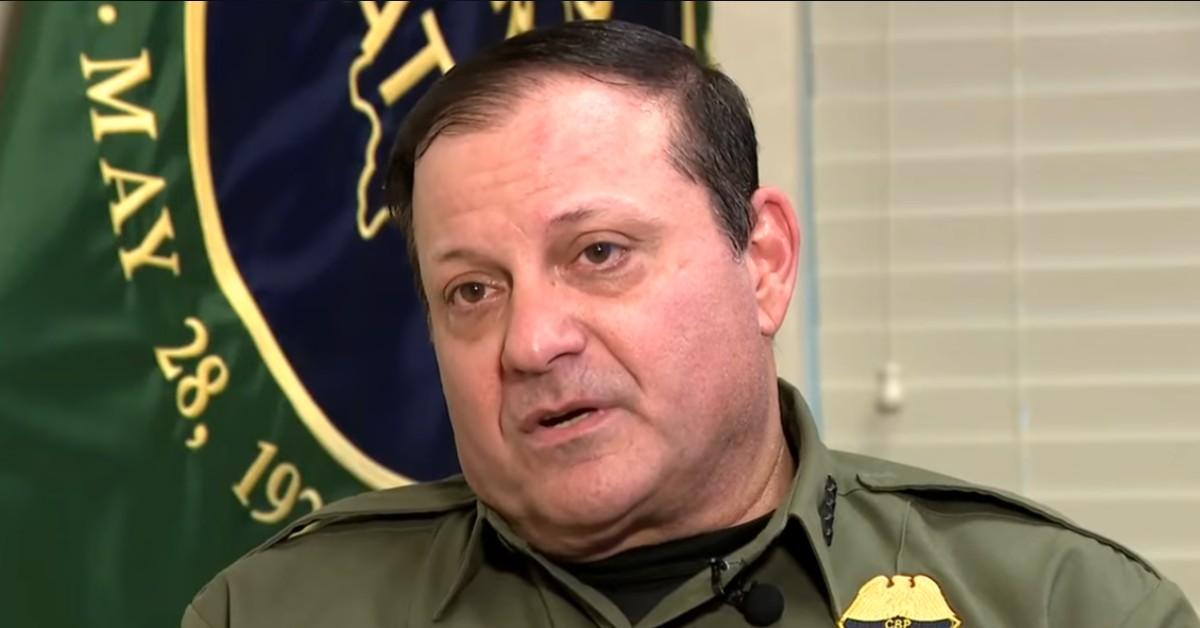
Michael Banks’s border patrol resignation came with one last defense of Trump’s border policies.
On Thursday, May 14, 2026, Michael confirmed to Fox News that he was stepping down effective immediately after 37 years in public service.
“It’s just time,” he told Fox News correspondent Bill Melugin.
Despite his exit being sudden, there didn’t seem to be any drama or tension surrounding his resignation. Michael didn’t hint at some explosive fallout or internal war behind the scenes. If anything, he sounded like someone who genuinely believed he had finished the job he returned to do.
“I feel like I got the ship back on course from the least secure, disastrous, chaotic border to the most secure border this country has ever seen,” he said.
In a separate statement shared with CNN, Michael said he was proud of his time leading Border Patrol and wanted to spend more time enjoying “family and life.” He added that it was “time to pass the reigns” to someone else.
While his resignation after nearly four decades in public service made sense, the world had a hard time not connecting it to the high shuffling of personnel at DHS.
As those who have followed the change in leadership know, former DHS Secretary Kristi Noem had been removed earlier in 2026 after months of controversy.
Furthermore, acting ICE Director Todd Lyons had also announced plans to leave his position. By the time Michael’s resignation became public, many people were already paying close attention to how frequently immigration leadership roles had been changing.
His background and personal story didn’t fit into the boxes one would expect of someone in his position.
Michael’s personal story never fit neatly into the internet’s usual immigration debate boxes.
As Fox News reported, long before he became associated with Operation Lone Star or hardline border enforcement policies, Michael was a teenager in Georgia helping his grandmother pay bills by working in peach fields alongside migrant farmworkers.
He grew up in Georgia and was largely raised by his grandmother while his mother struggled financially with supporting the family.
Michael later said working alongside migrant laborers gave him humility and compassion because he understood how physically demanding that kind of work could be. That detail resurfaced repeatedly after his resignation announcement because many people were surprised by the contrast. For someone closely tied to aggressive border enforcement later in life, Michael had also openly talked about growing up around migrant labor communities himself.
Before joining Border Patrol, Michael enlisted in the military at 17 years old and spent about a decade serving in law enforcement-related roles both overseas and in the United States.
He later joined Border Patrol in 2000 and worked across several divisions over the next two decades, including horse patrol, tunnel teams, boats, investigations, prosecutions, and ATV operations.
Officials had not publicly announced Michael’s replacement.