
Marty Makary Resigns as FDA Commissioner Amid Pressure From Multiple Sides
“Please accept my resignation,” Makary wrote, closing out a turbulent run at the FDA.
Published May 13 2026, 10:43 a.m. ET

There is a major shakeup at the Food and Drug Administration after Marty Makary resigned as commissioner. The Johns Hopkins surgeon, author, and Trump-appointed FDA chief stepped down on May 12, and the move did not come as a complete surprise.
Marty submitted his resignation by text, according to Trump’s Truth Social post. “Please accept my resignation, effective today,” he wrote. He added, “It’s been the honor of a lifetime to serve as your FDA Commissioner.” President Donald Trump praised him publicly but also made it clear Marty time was up, telling Reuters that Marty was “a terrific guy” but “was having some difficulty.”
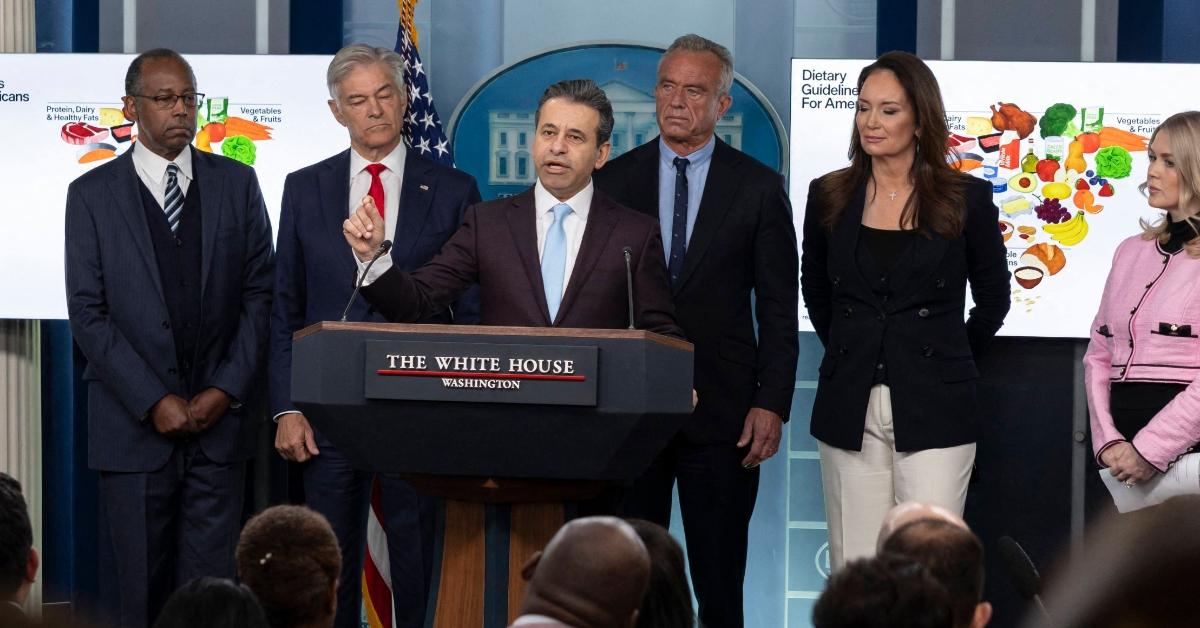
Why did Marty Makary resign?
According to the AP, Marty frustrated multiple groups at once. Vaping lobbyists, anti-abortion activists, drugmakers, some FDA insiders, and White House officials all pushed back on his decisions. One of the final flashpoints involved fruit-flavored vapes. Marty clashed with Trump administration officials over flavored e-cigarette approvals and hesitated to greenlight some products on principle, according to Reuters. That stance became a major issue as industry pressure grew.
Marty’s exit also followed criticism over abortion-pill policy. Anti-abortion groups said he moved too slowly on a promised safety review of Mifepristone, which remains a major political target.
At the same time, drugmakers and patient advocates raised concerns about unpredictability at the FDA. According to the AP, several companies working on treatments for rare or difficult diseases received rejection letters or requests for more studies after earlier signals suggested progress. That shift created anxiety for companies, investors, and patients waiting on new therapies.
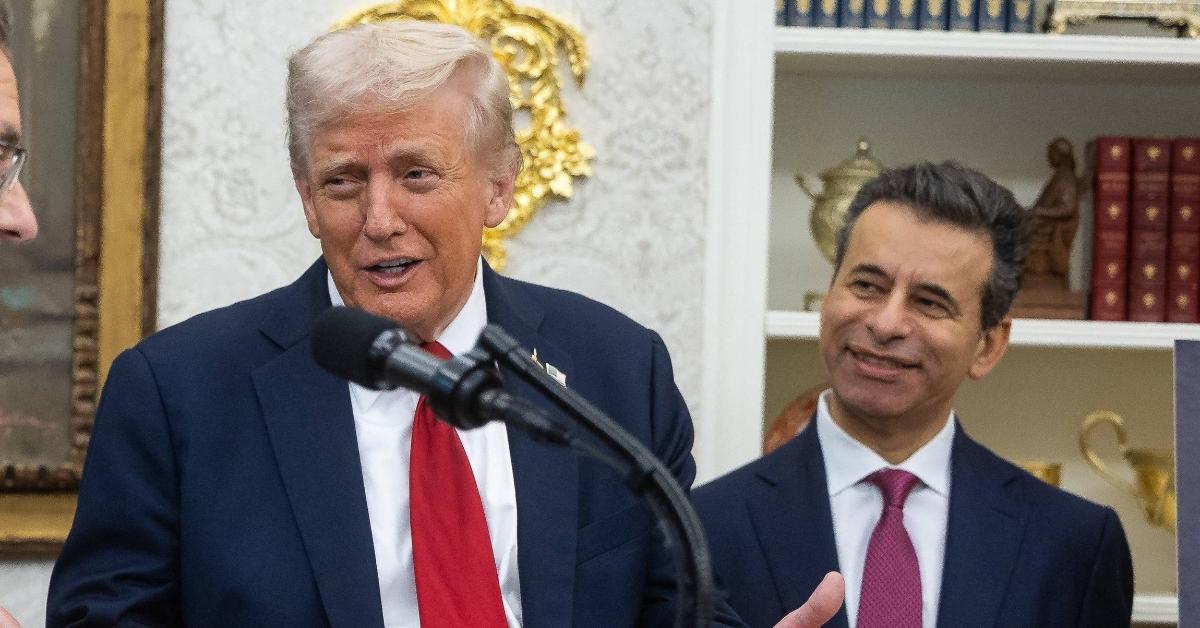
Marty Makary’s FDA legacy is tumultuous.
In his resignation message, Marty pointed to what he called “50 major FDA reforms,” including faster drug reviews, new psychedelic guidance, a rare-disease pathway, and updated menopause hormone therapy labels. Under his leadership, the agency rolled out high-profile initiatives.
Those included an AI tool called Elsa, a Commissioner’s National Priority Voucher program designed to cut some drug review timelines from roughly 10–12 months to 1–2 months, and a push to remove petroleum-based synthetic food dyes from the U.S. food supply.
However, the reforms came with plenty of drama. The FDA’s drug center saw constant leadership turnover during Marty’s tenure. According to the AP, six people cycled through the agency’s drug division director role in one year. George Tidmarsh, Marty’s first pick, resigned after allegations tied to a personal dispute. Longtime cancer specialist Rick Pazdur also announced plans to retire after clashing with Marty over drug review decisions.
The changes are a big deal because the FDA is not just some background agency. It regulates drugs, vaccines, medical devices, tobacco products, food safety, dietary supplements, cosmetics, and more.
Now, Kyle Diamantas is stepping in as acting FDA commissioner. Trump confirmed that Diamantas, the FDA’s deputy commissioner for food, would take over temporarily. Diamantas led the agency’s Human Foods Program, overseeing nutrition and food safety activities, policy initiatives, resource decisions, and major food-related response efforts.