
What We Know About the Derrick Callella Nancy Guthrie Ransom Note as the Case Continues
A Bitcoin ransom demand led investigators to an arrest, but the search for Nancy Guthrie is still ongoing.
Published Feb. 6 2026, 10:16 a.m. ET

Nancy Guthrie was reported missing after she was last seen at her home in Pima County, Arizona, on Jan. 31, 2026. Her disappearance immediately prompted concern from family members and law enforcement, who began searching for answers in what started as a missing person case.
As days passed without answers, the case took a complicated turn, not because of a dramatic discovery, but because of unusual text messages that would later draw scrutiny from law enforcement.
Those messages have since been described as a ransom note sent on Feb. 2, 2026, in the form of texts, demanding payment in cryptocurrency. The ransom note was not a traditional written demand, and it was discovered that it was sent from someone who isn't likely involved in Nancy's disappearance.
So what did the ransom note say that Derrick Callella allegedly sent to Nancy Guthrie’s family? Here’s what we know.
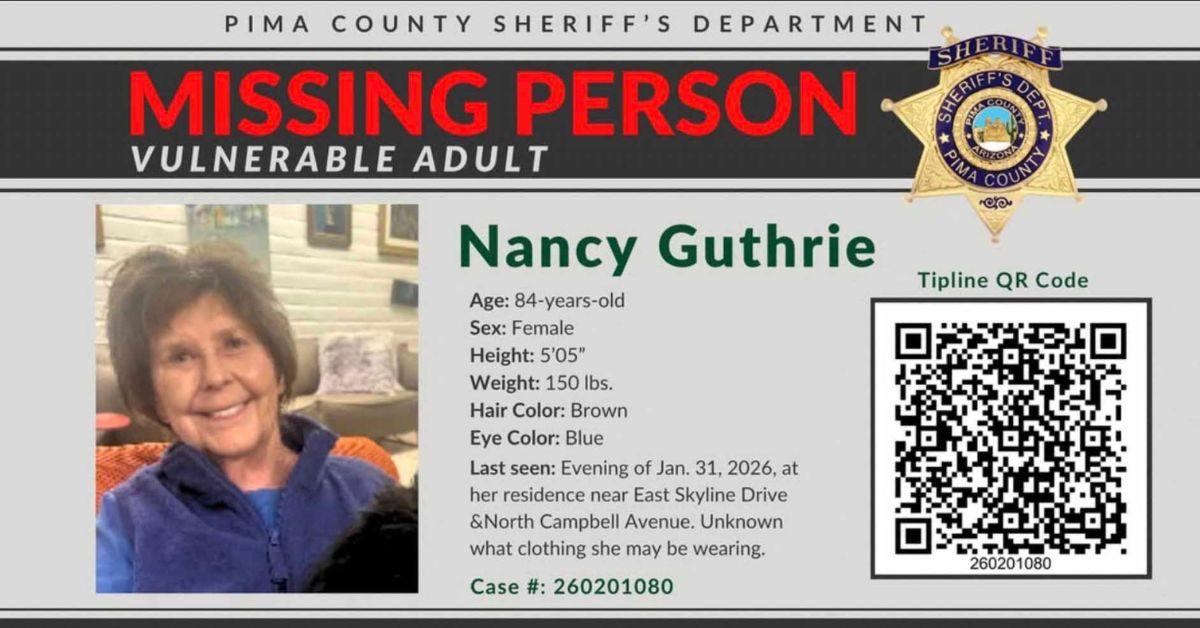
What we know about the Derrick Callella Nancy Guthrie ransom note.
According to TMZ, the ransom note connected to the case was not a handwritten letter or a phone call, but a series of text messages sent on Feb. 2, 2026. Those messages were sent to Nancy's son-in-law, Tommaso Cioni, and her daughter Annie. One of them read, "Did you get the bitcoin were [sic] waiting on our end for the transaction."
TMZ broke the news on Feb. 3, 2026, stating they had received a ransom note demanding millions of dollars in bitcoin in exchange for Nancy's safe return and set two deadlines.
Court documents indicate the messages were later linked to Derrick Callella, who was arrested days after Nancy’s disappearance. However, investigators have been clear that the ransom note does not appear to have been sent by someone directly involved in Nancy’s disappearance. Instead, authorities believe the messages were an attempt to exploit the family and the situation financially.
The FBI states that Derrick admitted to sending two text messages to "see if the family would respond."
The ransom note complicated an already urgent investigation.
Law enforcement officials have emphasized that while the ransom texts prompted an arrest, they did not provide information about Nancy's location. Digital messages and cryptocurrency demands can establish intent and communication, but they do not necessarily reveal where a missing person is or who may be responsible for their disappearance.
Additionally, they wasted precious time and resources that Nancy may not have.
Authorities have not publicly stated whether Nancy is believed to be alive, nor have they confirmed any direct leads regarding her whereabouts. The investigation remains active, with law enforcement continuing to pursue tips and verify information as it comes in.
The ransom note added a disturbing layer to a case that was already deeply unsettling, but it did not bring answers. Instead, it revealed how quickly tragedy can attract exploitation. As of Feb. 6, 2026, the focus remains where it belongs, on finding Nancy and understanding what happened, rather than on the distraction of a bad actor trying to exploit an already tragic situation.