
Appeals Court Ruling Details Why Alina Habba Was Disqualified From U.S. Attorney Role
A New Jersey courtroom reminded Washington: Process still matters.
Published Dec. 2 2025, 12:21 p.m. ET

During President Donald Trump’s second term, his administration launched a legal fight to keep Alina Habba in place as U.S. attorney for New Jersey. The case reached a federal appeals court and stirred national attention over how much power the executive branch has in making temporary appointments.
Beyond the headlines, however, one legal question stood out: Why was Alina Habba disqualified from the role in the first place? What happened involved a key federal law, a few creative maneuvers, and one decision that pushed things too far.
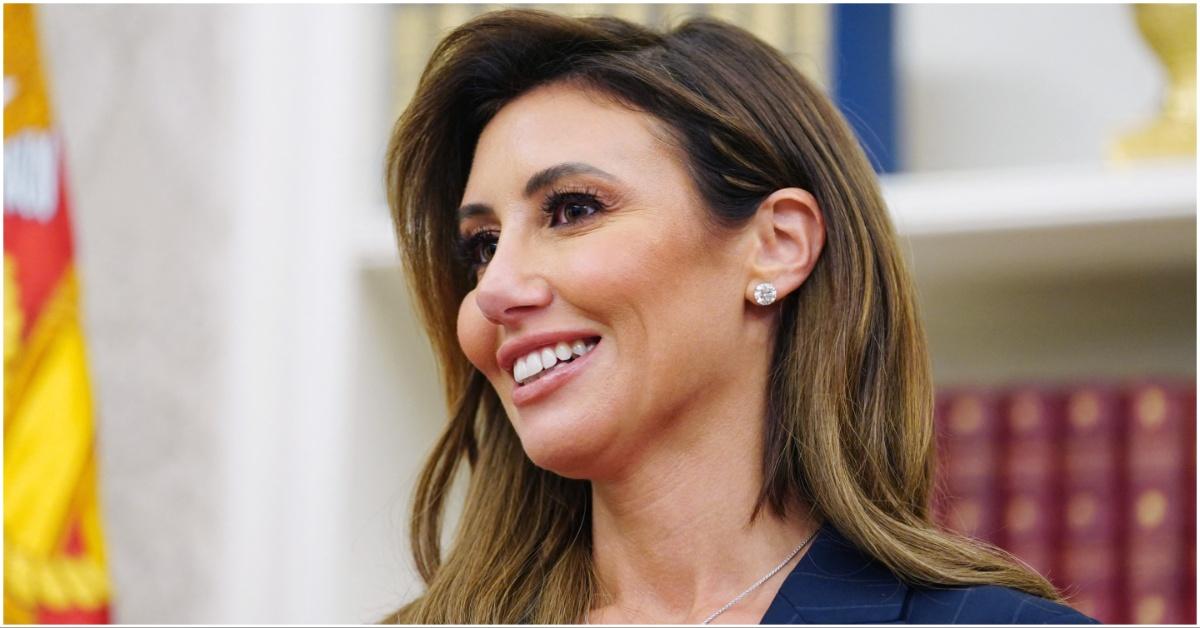
A federal court ruling explained why Alina Habba was disqualified under appointment law.
At the center of the case was the Federal Vacancies Reform Act (FVRA), a law that governs how long a person can serve in an acting role within the federal government. Alina was originally appointed as interim U.S. attorney. This is a temporary position allowed to last up to 120 days without Senate confirmation, per Congress.gov. Once the time Alina was allowed to hold the position expired, the Trump administration attempted a workaround to keep her in place.
According to Forbes, instead of nominating a confirmed successor, the administration removed the court-appointed replacement and named Alina “First Assistant.” Then, she was immediately promoted back to acting U.S. attorney. The appeals court later ruled that this maneuver violated the FVRA, stating it sidestepped the legal process and undermined the intent of the statute.
The court also noted that once she was officially nominated for the permanent role, she became ineligible to continue serving in an acting capacity. That rule exists to preserve the integrity of the Senate confirmation process. The moment a person becomes a nominee, they’re supposed to step aside unless a specific exception applies — which it didn’t in her case.
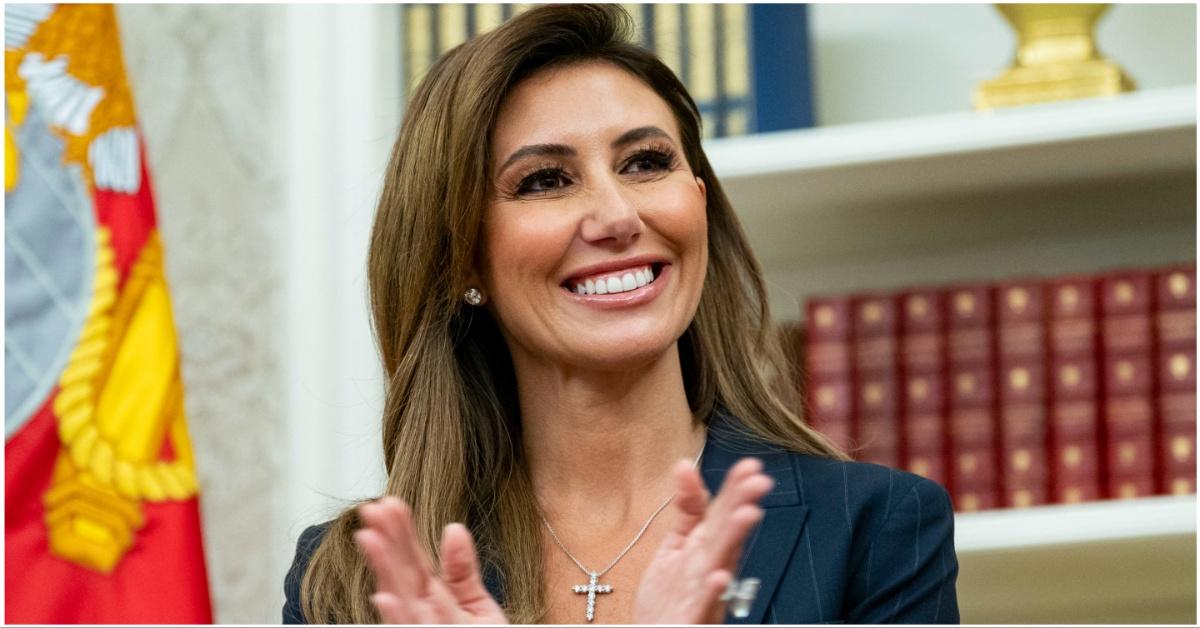
The court's ruling triggered legal uncertainty around past prosecutions.
What made this more than a technical violation was the impact it had on real cases. As U.S. attorney, Alina had overseen multiple federal prosecutions. Once her authority was ruled invalid, defense attorneys in several cases began challenging the legitimacy of her actions. Their argument: if she wasn’t legally appointed, then her decisions — including charging and plea agreements — could be called into question, per Reuters.
The outcome reinforced the limits of executive power in legal appointments.
The case didn’t center on politics or performance. It focused on process. Federal laws like the FVRA are designed to protect the separation of powers and ensure that key legal roles aren’t filled without proper oversight. The court’s ruling sent a strong signal: Even during politically charged times, the executive branch can’t bypass procedures just to hold on to its preferred appointees.
Think of it like trying to cut in line by pretending to follow the rules. It might get you a few steps ahead temporarily, but once someone calls it out, the system pushes back — and puts everything under review.
Alina’s disqualification became a clear example of why legal safeguards exist in the first place. The goal isn’t just to enforce technicalities — it’s to ensure that every person in a position of power is there through a process the public can trust.