
Why Andre Harrell Fired Diddy Was a Turning Point That Sparked a Music Empire
Andre didn’t fire Diddy to hurt him — he fired him to set him free.
Published Dec. 5 2025, 2:51 p.m. ET
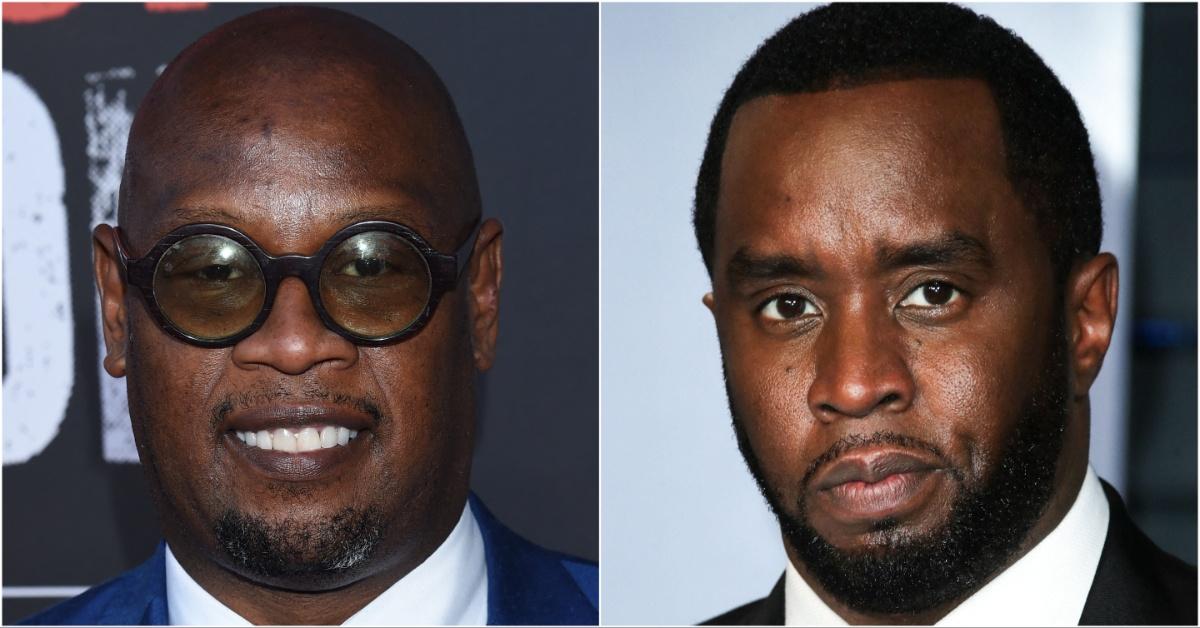
Before Bad Boy Records changed the sound of hip-hop, and before Sean “Diddy” Combs became one of the most influential moguls in music, he was just a 19-year-old intern at Uptown Records — hungry, bold, and already making waves. That’s where he met Andre Harrell, the founder of the label and the man who first believed in him.
What followed was one of the most talked about mentor turned mogul stories in music history. While the headlines have long focused on the moment Diddy was fired from Uptown in 1993, the truth behind why did Andre Harrell fired Diddy says a lot more about vision, timing, and knowing when to let someone fly.
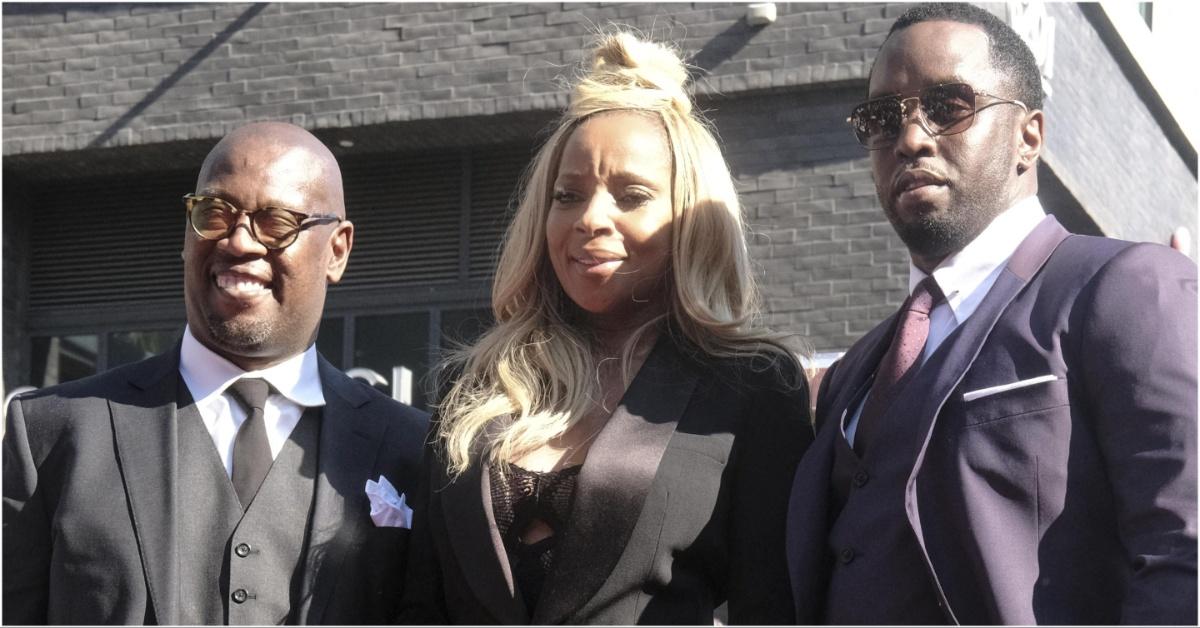
Why did Andre Harrell fired Diddy?
Over the years, Andre was always very open about his relationship with Diddy and why he was fired from Uptown Records. Speaking to Wall Street Journal, Andre explained the decision wasn’t one of malicious intent. Turns out, Diddy was on fire and his spark was too hard for Andre to contain.
This story begins when Diddy was just 19. He made the decision to drop out of Howard University to take a shot at the music business — starting as an intern under Andre at Uptown. He wasted no time proving himself. His first big win? Producing a hit record because the actual producer didn’t show. That song went on to sell two million copies, per Yahoo! Finance.
From there, he was everywhere — developing Jodeci’s edgy sound, helping shape Mary J. Blige’s debut, and bringing a fresh, street-informed energy to R&B. He was young, confident, and fearless. Maybe too fearless.
In an interview with Oprah Winfrey via Yahoo! Finance, Diddy admitted he didn’t really understand “protocol” or workplace politics. He was all passion, all hustle — but not always a team player. That started to create friction, not just with other staff at Uptown, but eventually with Andre himself.
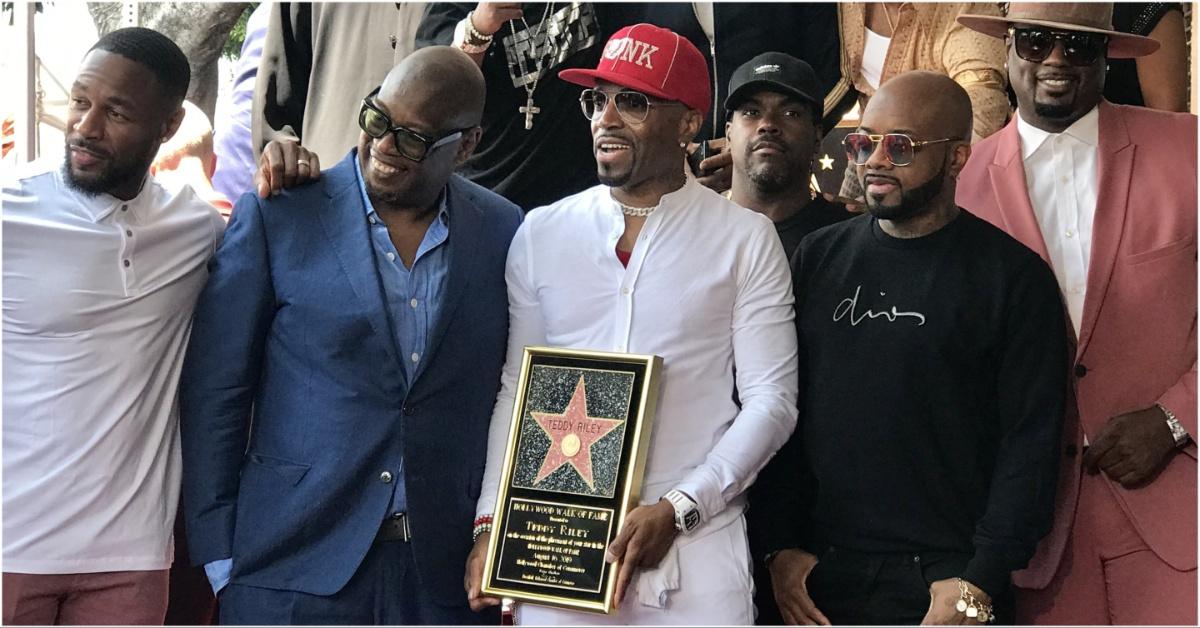
Andre later explained during his interview with Wall Street Journal that Diddy had grown into someone who would only listen to him — which meant their relationship had shifted. It was no longer about mentorship. It had become about management. And that wasn’t what either of them wanted.
Furthermore, Andre’s own career was expanding and he just didn’t have time to manage Diddy.
Pressure from the label pushed the decision over the edge.
Behind the scenes, Uptown’s distributor — MCA Records — was starting to worry. One of Diddy’s new signees, a young Brooklyn rapper named The Notorious B.I.G., had a debut album filled with raw, street-level stories. The label got nervous about the content and wanted Diddy to make the artist tone it down.
That’s where Andre drew the line.
He didn’t believe in policing his artists to make the suits happy. And he definitely didn’t want to be the one putting limits on Diddy’s vision. In a past interview, Andre said he “wasn’t built that way.” So instead of forcing Diddy to change, he let him go.
But the firing wasn’t cold or careless. Diddy and his artists stayed on Uptown’s payroll until they found their next move. Andre made sure of that. He knew Diddy was going to be fine — more than fine. This wasn’t about cutting someone off. It was about stepping aside so they could grow.